
Are Viscose Rugs Durable? What to Know Before You Buy
Viscose rugs are often chosen for their silk-like sheen, smooth texture, and refined appearance. They reflect light beautifully and can elevate a room with subtle luster that resembles more expensive natural silk. However, durability is the central question most homeowners ask before investing in one. Are viscose rugs built to withstand daily use, or are they better suited for decorative spaces? The answer depends on how and where the rug is used, as well as how it is maintained.
Viscose is a semi-synthetic fiber made from regenerated cellulose, typically derived from wood pulp. Although it originates from natural materials, its performance characteristics differ significantly from wool or other traditional rug fibers. Viscose fibers are fine and smooth, which gives them their signature shine but also makes them more delicate. Compared to wool, viscose is less resilient under pressure and more sensitive to moisture. These traits directly influence long-term durability.
How Viscose Performs in Everyday Use
In low-traffic environments, viscose rugs can maintain their appearance for years if properly cared for. Bedrooms, formal sitting rooms, or spaces used occasionally are suitable placements. In these settings, the fiber’s softness and reflective quality enhance the interior without being subjected to heavy wear. However, in high-traffic areas such as entryways, hallways, or family rooms, viscose tends to flatten and lose its texture more quickly.
One of the primary concerns with viscose durability is fiber crushing. Because the material lacks the natural elasticity of wool, it does not recover as effectively after furniture pressure or foot traffic. Over time, pathways may appear dull or matted. This does not necessarily mean the rug is damaged structurally, but the visual change can be noticeable in busy households.
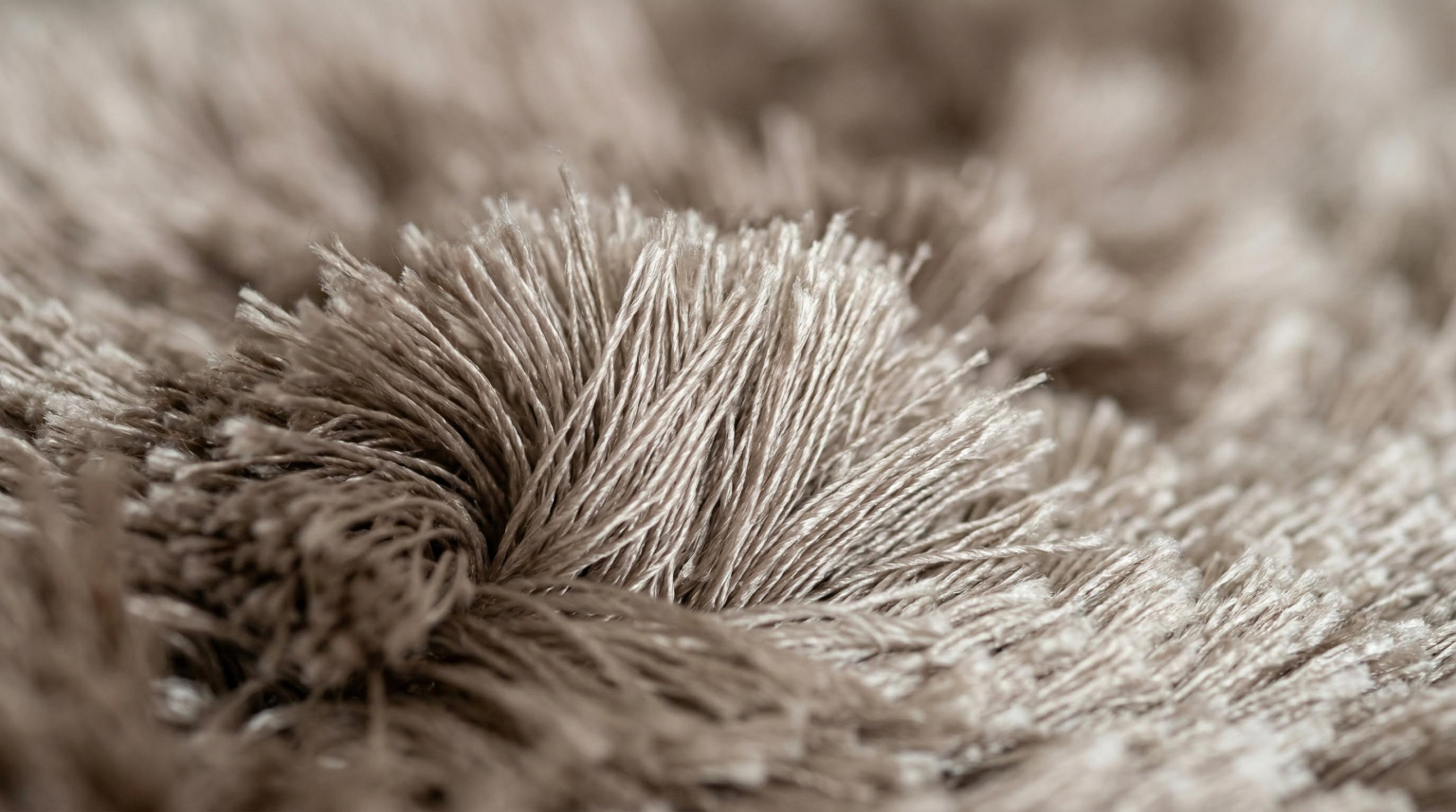
Moisture presents another limitation. Viscose is highly absorbent, which makes it vulnerable to staining and water marks. Spills that are not addressed immediately can leave permanent discoloration. Unlike wool, which contains natural oils that repel some liquids, viscose fibers absorb moisture quickly and may weaken if exposed repeatedly. For this reason, kitchens, dining areas, and pet-friendly spaces are generally not ideal environments for pure viscose rugs.
Maintenance Requirements and Care
Proper maintenance significantly affects how long a viscose rug retains its appearance. Regular vacuuming without aggressive beater bars helps remove debris without pulling delicate fibers. Rotating the rug periodically ensures even wear and prevents concentrated traffic patterns. Professional cleaning is often recommended over DIY methods, as improper wet cleaning can cause fiber distortion or shading.
It is also important to avoid excessive moisture during cleaning. Spot treatments should be handled carefully, using minimal liquid and blotting rather than scrubbing. Because viscose fibers are sensitive to friction when wet, aggressive cleaning can damage the pile. Homeowners who understand these requirements can extend the life of the rug considerably.
Practical insight: Viscose rugs are best viewed as decorative textiles rather than heavy-duty floor coverings. Placement and maintenance determine their longevity.
Comparing Viscose to Wool and Blends
When evaluating durability, wool remains the benchmark. Wool fibers are naturally elastic, resistant to crushing, and more forgiving with spills. In contrast, viscose is valued primarily for its aesthetic qualities rather than resilience. This does not make viscose inferior, but it does mean expectations should be aligned with its properties.
Blended options offer a practical compromise. Rugs that combine wool and viscose fibers integrate durability with sheen. The wool component provides structural strength, while viscose contributes subtle luster and softness. Collections such as wool viscose rugs illustrate how blending materials can improve performance without sacrificing elegance.

For those specifically drawn to the luminous surface of viscose, exploring curated selections of viscose area rugs can help identify designs suited for lower-traffic areas. Placement under a coffee table in a formal living room or beneath a bed in a primary suite minimizes wear. Matching fiber choice to room function is essential when assessing durability.
When a Viscose Rug Makes Sense
Viscose rugs are well suited for interiors where visual refinement outweighs heavy usage demands. In formal settings, their sheen enhances lighting and complements metallic finishes, marble surfaces, and sleek furniture. They are particularly effective in rooms designed for presentation rather than constant activity. In such contexts, durability concerns are less significant because the rug experiences controlled use.
However, households with pets, young children, or frequent entertaining should consider performance carefully. Heavy foot traffic, spills, and regular furniture movement can accelerate visible wear. If durability is the top priority, wool or synthetic performance fibers may offer better long-term results. If elegance and texture are the primary goals, viscose can deliver exceptional visual impact when properly placed.
Final Assessment
Are viscose rugs durable? They are moderately durable in the right environment but not designed for intense daily wear. Their fibers are soft, absorbent, and visually refined, which makes them more delicate than wool. With mindful placement and attentive maintenance, a viscose rug can maintain its beauty for years. Without those precautions, it may show wear more quickly than other materials.
The decision ultimately depends on how the space is used. In low-traffic, design-focused rooms, viscose rugs provide sheen and sophistication that few other fibers match. In busy areas requiring resilience, blended or alternative materials offer greater practicality. Understanding these distinctions allows homeowners to choose with clarity and realistic expectations.