
Best Rug Colors for Gray Walls
Gray walls have become a defining feature of contemporary interiors because they offer neutrality without the flatness of pure white. From cool silvers to warm greige tones, gray creates a flexible backdrop that supports a wide range of materials and finishes. Yet once the walls are painted, the next decision often becomes more complicated: what color rug works best with gray walls? The answer depends on undertone, light exposure, room function, and the atmosphere you want to create. Selecting the right rug color is less about matching gray and more about building contrast, depth, or harmony with intention.
Before choosing a rug, examine the undertone of your gray walls. Some grays lean blue or cool, others carry subtle brown or beige warmth. Natural light also shifts perception, north-facing rooms emphasize coolness, while warm afternoon light softens gray considerably. The rug should respond to these variables rather than ignore them. A well-chosen rug does not simply sit on the floor; it anchors the entire composition.
Warm Neutrals: Softening Cool Gray Walls
If your gray walls lean cool or blue, warm neutral rugs can restore balance. Shades such as ivory, oatmeal, beige, and taupe add warmth without overpowering the room. These tones create contrast that feels subtle rather than dramatic, especially in living rooms or bedrooms where comfort is a priority. A warm neutral rug prevents cool gray from feeling sterile or overly sharp.
Textural variation becomes important when working within neutral palettes. A wool rug with visible weave or subtle pattern introduces depth that prevents monotony. Layering tonal variations, such as a warm beige rug against light gray walls and darker gray upholstery, creates dimension without color saturation. This strategy works particularly well in minimalist or Scandinavian-inspired spaces.
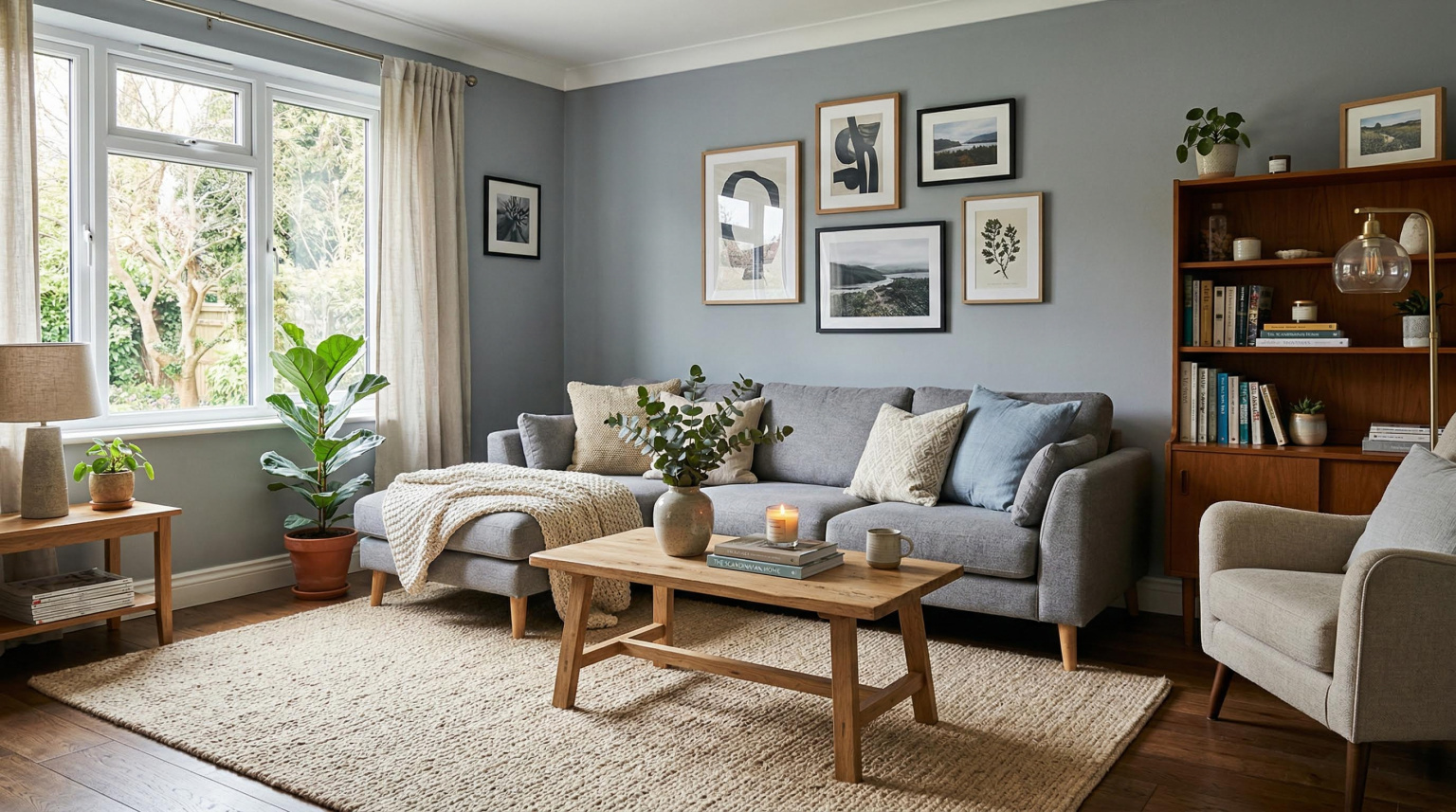
For a cohesive look, consider exploring collections of grey area rugs that incorporate subtle warm undertones within the gray family. Greige rugs, which blend gray and beige, are especially effective because they bridge cool walls and warmer furnishings. This approach keeps the palette restrained while adding necessary softness.
Charcoal and Deep Gray: Creating Drama Through Contrast
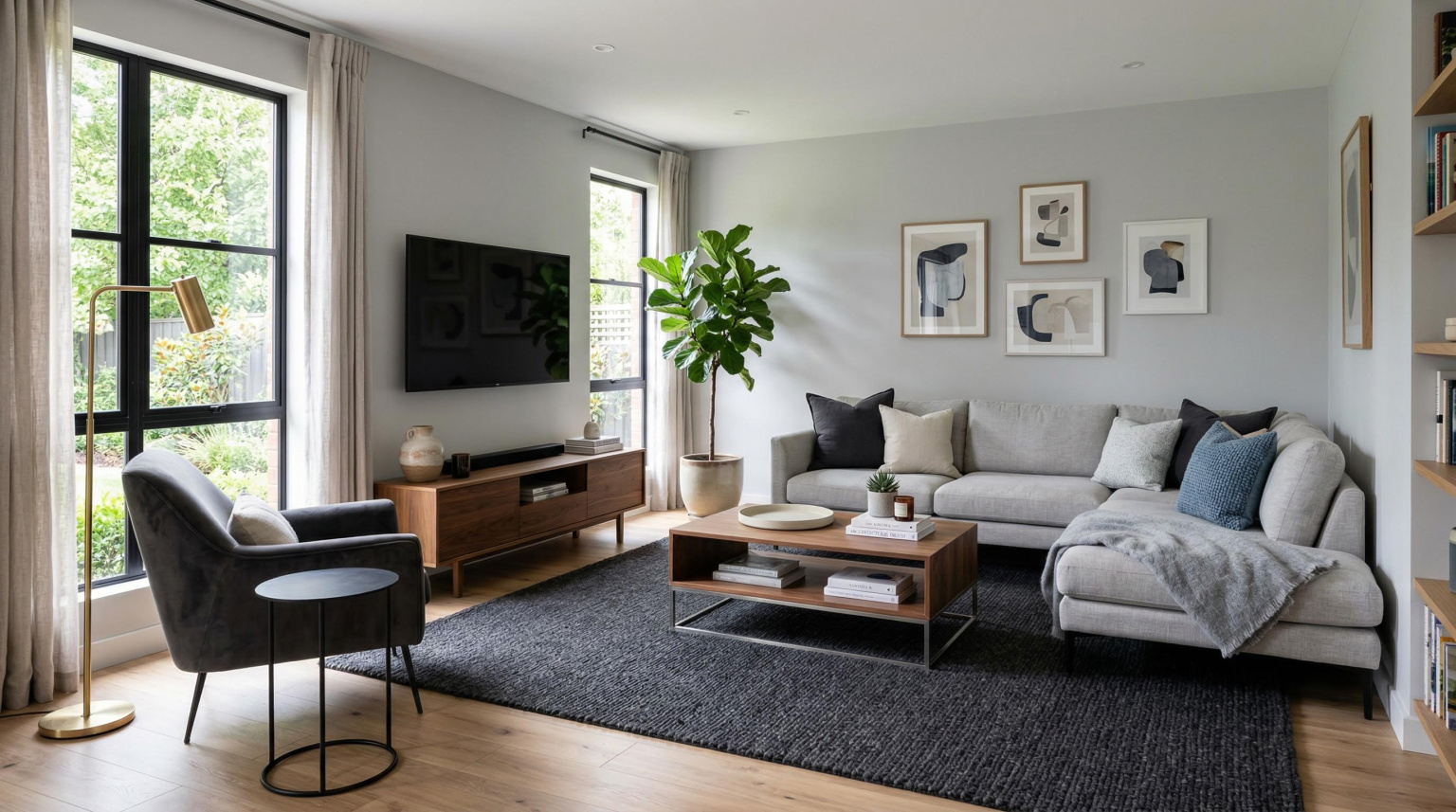
Pairing gray walls with darker gray rugs creates a layered, tonal interior that feels intentional and architectural. The key is ensuring sufficient contrast between the wall shade and rug tone. Light gray walls paired with charcoal or slate rugs add grounding weight to the room, particularly in spaces with high ceilings or large windows. The darker rug visually anchors furniture and prevents the room from appearing washed out.
When using deep gray rugs, incorporate lighter upholstery or metallic accents to avoid a heavy atmosphere. Brass, chrome, and glass elements reflect light and offset darker floor tones. Texture again plays a critical role. A charcoal rug with subtle pattern or variation avoids appearing flat against smooth painted walls.
This approach works well in modern interiors where restraint and clarity are prioritized. The result is cohesive without relying on bold color. However, ensure that lighting is adequate; darker rugs absorb light and may require additional illumination to maintain balance.
Soft Blues and Greens: Enhancing Cool Undertones
When gray walls have blue undertones, incorporating a rug in soft blue or muted teal reinforces harmony. These hues feel calm and controlled, especially in bedrooms and serene living areas. Pale sage or dusty blue rugs introduce color without overwhelming the neutral framework. The effect is cohesive and composed.
Green tones, particularly olive and eucalyptus, pair naturally with gray because they share similar muted qualities. A green rug against gray walls adds organic depth and works well with wood furniture and natural textiles. This palette suits contemporary homes that emphasize understated color rather than high contrast.
Keep saturation moderate to avoid overpowering the walls. Muted tones maintain the sophistication gray provides while introducing visual interest. Subtle pattern, especially in abstract or watercolor-inspired designs, prevents the palette from feeling predictable.
Bold Contrast: Mustard, Rust, and Terracotta
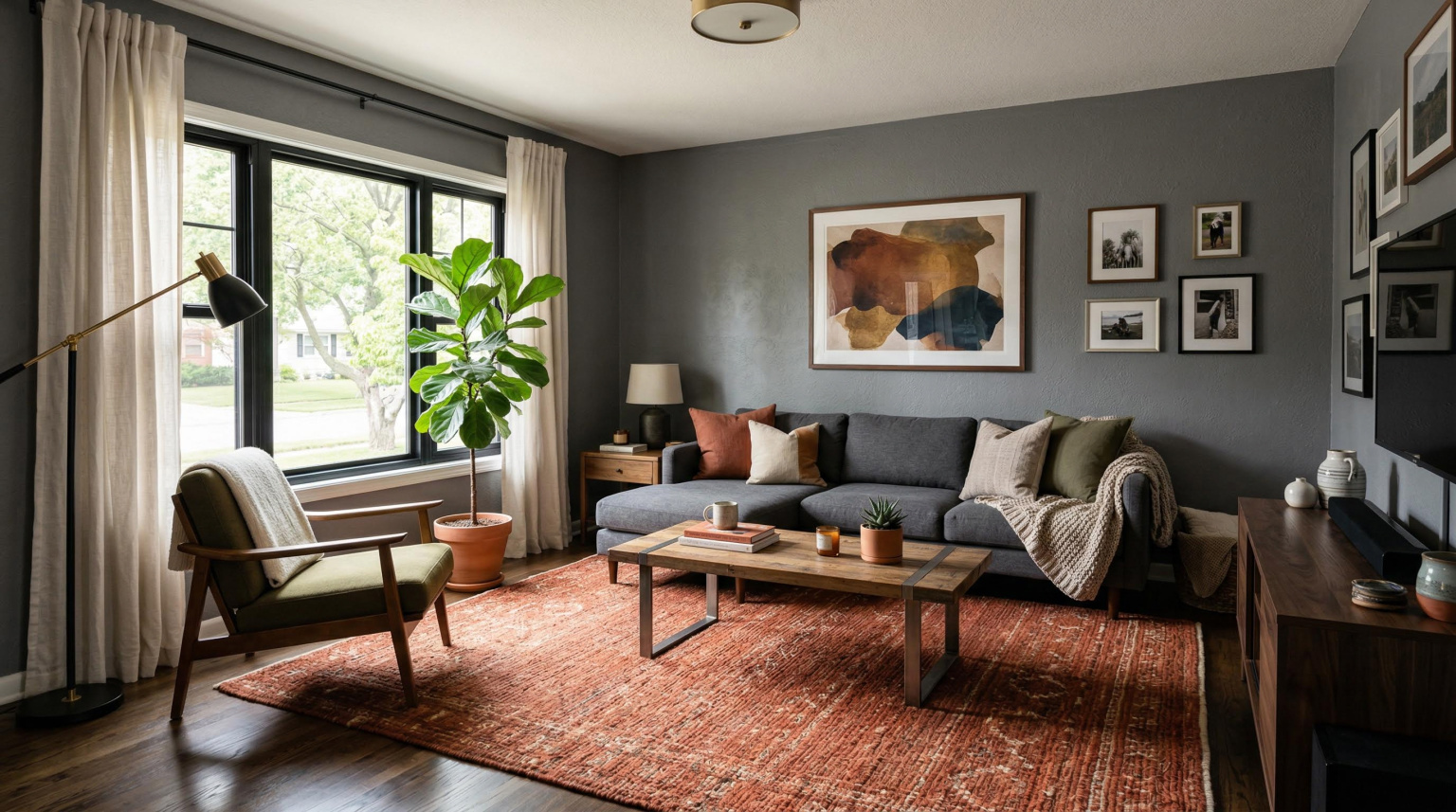
For those seeking stronger contrast, warm saturated tones such as mustard, rust, or terracotta create striking balance against gray walls. These colors inject energy into neutral spaces and prevent gray from feeling static. The warmth of these hues counteracts cool undertones effectively, especially in north-facing rooms.
Rust and terracotta rugs complement gray particularly well when wood flooring or leather furniture is present. The combination feels grounded and intentional rather than trendy. Mustard tones add brightness while maintaining warmth, making them effective in family rooms or creative spaces.
Balance is essential when working with bold color. Allow the rug to be the focal point by keeping walls and major furniture neutral. Repeating the accent color in smaller accessories, such as cushions or artwork, reinforces cohesion without overwhelming the design.
Black and White Patterns: Graphic Precision
Gray walls provide an ideal backdrop for black and white patterned rugs. The neutrality of gray allows graphic designs to stand out without clashing. Geometric motifs, stripes, and abstract compositions add movement and structure to otherwise subdued interiors. This pairing works particularly well in contemporary and transitional spaces.
Abstract designs can introduce complexity while maintaining a restrained palette. Exploring curated collections of abstract rugs offers options that blend gray, white, and subtle accent tones seamlessly. These rugs enhance visual depth without introducing unrelated colors.
When using strong pattern, maintain simplicity in surrounding furnishings. Clean-lined furniture and minimal accessories allow the rug’s design to take precedence. The goal is clarity rather than visual competition.
Blush and Soft Pink: Unexpected Warmth
Blush and muted pink rugs can transform gray interiors by introducing warmth without heaviness. These tones soften cool gray walls and create a contemporary yet approachable atmosphere. The combination feels fresh rather than overly feminine when balanced with neutral furnishings and metallic accents.
Soft pink rugs work particularly well in living rooms with gray walls and light wood flooring. The warmth of the rug complements natural materials and enhances natural light. In more modern spaces, pairing blush with charcoal accents creates dynamic contrast.
The success of this pairing depends on restraint. Opt for muted shades rather than bright pinks to maintain sophistication. Subtle patterns or tonal variations prevent the color from appearing flat.
Layering Texture Within a Gray Palette
Color is not the only factor to consider. Texture significantly impacts how a rug interacts with gray walls. A high-pile wool rug introduces softness that offsets sleek painted surfaces. Flatweaves provide structure and clarity, particularly in minimalist interiors. Choosing texture thoughtfully enhances depth even when working within a monochromatic palette.
Layering rugs can also refine gray rooms. A larger neutral base rug with a smaller patterned piece on top adds dimension without excessive color. This strategy works particularly well in large living rooms where zoning is necessary. Texture variation keeps the gray environment visually engaging.
Final Considerations for Choosing the Right Rug Color
To determine the best rug color for gray walls, evaluate undertone, natural light, furniture materials, and the room’s intended mood. Warm neutrals soften cool gray. Deep charcoal adds drama and grounding. Muted blues and greens enhance harmony. Bold rust or mustard creates energetic contrast. Black and white patterns introduce structure, while blush tones offer subtle warmth.
Ultimately, gray walls provide flexibility rather than limitation. The right rug color depends on how you want the room to feel, calm, dramatic, inviting, or graphic. By considering proportion, texture, and tonal balance, you can select a rug that transforms gray walls into a deliberate design foundation rather than a neutral placeholder. Thoughtful coordination ensures the rug supports the architecture and elevates the entire interior composition.