
Creating Balanced Maximalism With Eclectic Rug Designs
Maximalism in interior design celebrates abundance, vibrancy, and individuality, yet it requires a careful balance to avoid feeling chaotic or overwhelming. One of the most effective ways to achieve this harmony is through the use of eclectic rugs. These rugs act as visual anchors, introducing color, pattern, and texture that can unify diverse elements within a space. Unlike minimalism, which emphasizes restraint, maximalism thrives on layering, but without deliberate cohesion, the result can quickly feel cluttered. By thoughtfully selecting rugs with varied motifs, materials, and scales, homeowners can cultivate a sense of curated exuberance that is both visually stimulating and inviting.
The appeal of eclectic rugs lies in their versatility. A single patterned rug can complement a room filled with mismatched furniture, bold artwork, and varied textiles, creating a cohesive environment. For example, a contemporary abstract area rug can provide a neutral ground for colorful furnishings while still adding depth and movement to the floor. Similarly, a vintage-inspired Persian rug can introduce historic charm that contrasts yet harmonizes with modern accents. Incorporating rugs from trusted brands, such as Brink & Campman or Louis De Poortere, ensures that high-quality craftsmanship enhances the overall aesthetic while allowing for adventurous design choices.
Layering Patterns and Textures
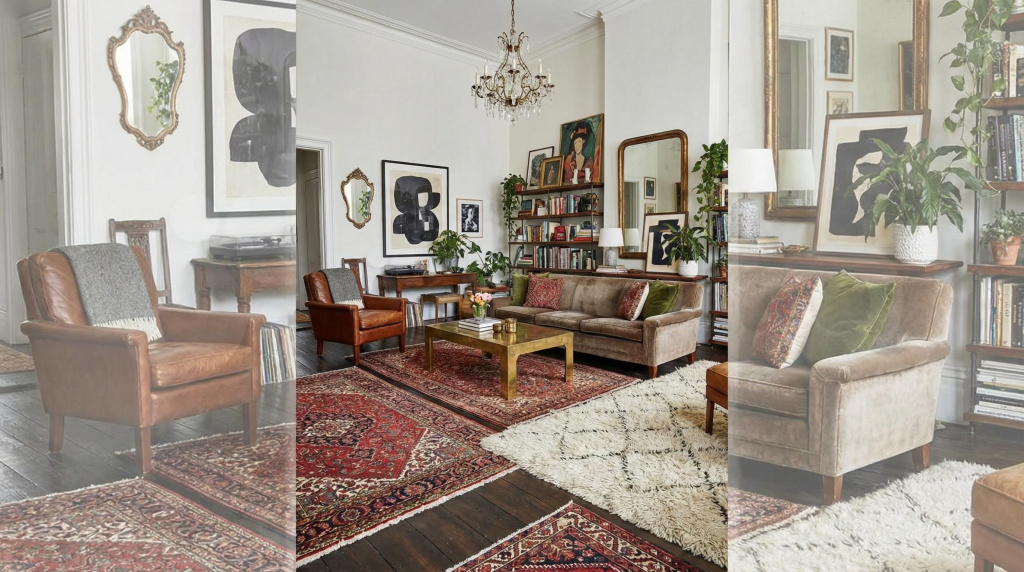
One of the hallmarks of balanced maximalism is layering different patterns and textures to create depth and interest. Eclectic rugs provide an ideal medium for this, as their intricate designs and tactile qualities can complement varied materials like velvet, leather, and wood. When layering, consider contrasts in scale – pairing a large-scale geometric rug with smaller, intricately patterned runners or accent rugs can prevent the space from feeling visually flat. Additionally, combining different textures, such as a plush wool rug atop a flatwoven jute base, introduces a multidimensional effect that enhances both comfort and sophistication. Strategic layering allows the room to feel dynamic without descending into visual disarray.
Another key strategy is color coordination. While maximalism encourages bold hues, unifying certain tones across different rugs can provide a sense of continuity. For instance, a rug featuring deep blues and muted golds can echo accent pillows or artwork, anchoring the space with subtle repetition. It’s equally effective to use neutral rugs as counterpoints, allowing statement pieces to stand out while maintaining balance. This thoughtful interplay between color, pattern, and texture is essential for creating a space that feels deliberately layered rather than haphazardly assembled.
Defining Zones With Statement Rugs
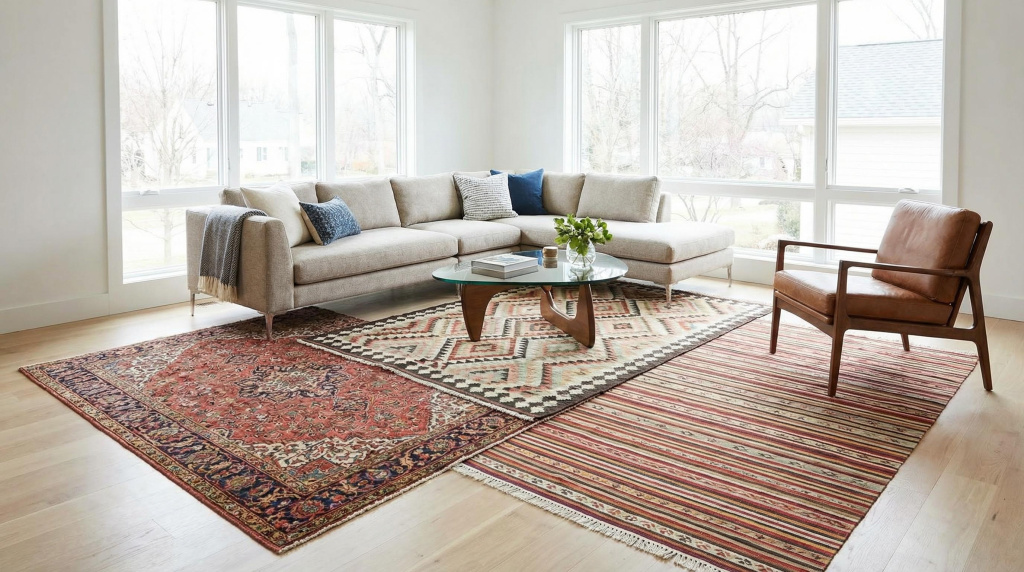
In open-plan layouts or multifunctional rooms, eclectic rugs can act as visual dividers, defining distinct areas without the need for physical partitions. For example, a large, bold-patterned rug can anchor a seating area, while a complementary runner delineates a dining space. The key is scale and proportion: rugs should match the size of their intended zones, providing both visual and functional coherence. This technique allows each area to maintain its identity while contributing to a unified overall design. Moreover, statement rugs often serve as conversation starters, showcasing unique designs or artisanal craftsmanship that elevate the interior beyond mere decoration.
Maximalist design also thrives on unexpected pairings. Introducing rugs with diverse origins – such as a hand-knotted oriental piece alongside a modern abstract area rug from SayRug’s collection – creates a curated, eclectic feel that reflects personality and taste. By combining traditional and contemporary elements, homeowners can strike a balance between nostalgia and modernity. Each rug contributes to a visual narrative, allowing the room to tell a story without relying solely on furniture or decorative accessories. This approach ensures that the maximalist space feels intentional and artfully composed rather than overcrowded.
Maintaining Cohesion Through Repetition and Rhythm
Even in maximalism, repetition and rhythm are critical for visual cohesion. Patterns, colors, and textures found in one rug can be echoed subtly in wall art, upholstery, or decorative objects. This creates a sense of continuity that guides the eye through the space, preventing it from feeling disjointed. Rhythm can also be achieved by repeating geometric shapes, motifs, or fringe details across different rugs, fostering a sense of harmony amid the abundance. By paying attention to these details, eclectic rugs become a unifying element rather than just an aesthetic accessory, ensuring that maximalist interiors feel polished and intentional.
Lighting and placement further influence how rugs interact with the space. Adequate natural light enhances the vibrancy of colors, while well-considered artificial lighting highlights textures and patterns. Placing rugs strategically – aligning them with key furniture pieces or architectural features – can emphasize focal points and create a structured flow. Additionally, rotating or layering rugs seasonally can refresh the space, allowing homeowners to experiment with new combinations and maintain a dynamic yet cohesive environment. The interplay of pattern, scale, texture, and placement ultimately determines whether a maximalist design feels harmonious or overwhelming.
Eclectic rugs provide a powerful tool for balancing maximalism in interior design. Their ability to layer textures, define zones, and establish rhythm ensures that even the most vibrant spaces retain structure and cohesion. By thoughtfully combining patterns, colors, and materials, designers can cultivate interiors that feel exuberant, personal, and curated. High-quality rugs from esteemed brands not only enhance the aesthetic but also contribute durability and craftsmanship, allowing maximalism to thrive without compromising practicality. For those seeking to infuse their interiors with personality, eclectic rugs are more than decorative accents – they are the foundational elements that transform maximalism into a carefully orchestrated visual experience.