
Creative Ways to Use Runner Rugs Throughout Your Home
Runner rugs are often overlooked in interior design, but their versatility makes them a powerful tool for transforming spaces. Traditionally used in hallways, these elongated rugs can enhance flow, add color and texture, and create a sense of cohesion across rooms. Beyond mere functionality, runners can define areas, guide movement, and even inject personality into narrow or transitional spaces. With the right placement and styling, they can turn overlooked corners of your home into focal points of style and comfort. Understanding the many ways to use runner rugs allows homeowners to experiment with both practicality and aesthetic appeal.
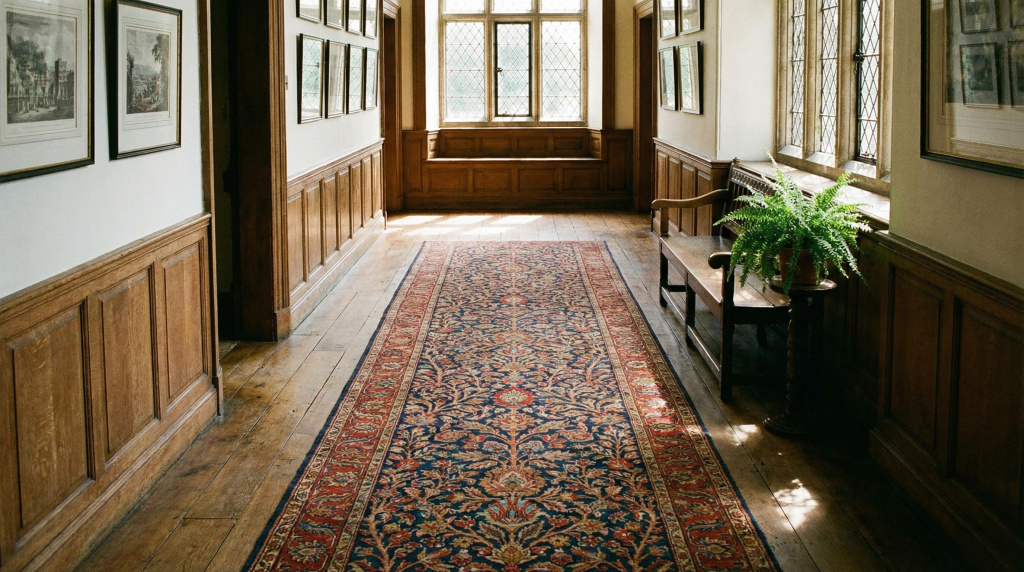
Hallways, Entryways, and Transitional Spaces
Hallways are natural candidates for runner rugs, as they benefit from the sense of continuity a long rug provides. A well-chosen runner can prevent a hallway from feeling sterile or bare, while simultaneously protecting floors from high foot traffic. Patterned runners are particularly effective in long, narrow corridors, as they can visually break up the space and add interest. In entryways, a runner can serve as both a welcoming feature and a practical shield against dirt and moisture. For a cohesive look, consider coordinating your runner with nearby wall colors, artwork, or furniture finishes. Whether bold and graphic or subtle and neutral, runners help anchor transitional areas without overwhelming them.
In addition to aesthetics, runners can also influence the perception of space. A striped or geometric runner can make a hallway appear longer, while a soft, muted palette can create a calming effect. Layering runners over hardwood or tile flooring not only adds warmth underfoot but also contributes to a tactile experience that invites guests to linger. Many designers also recommend using runners in stairways to enhance safety while adding visual drama. By selecting a runner with the right thickness, texture, and pattern, you can achieve both functionality and style in high-traffic zones.
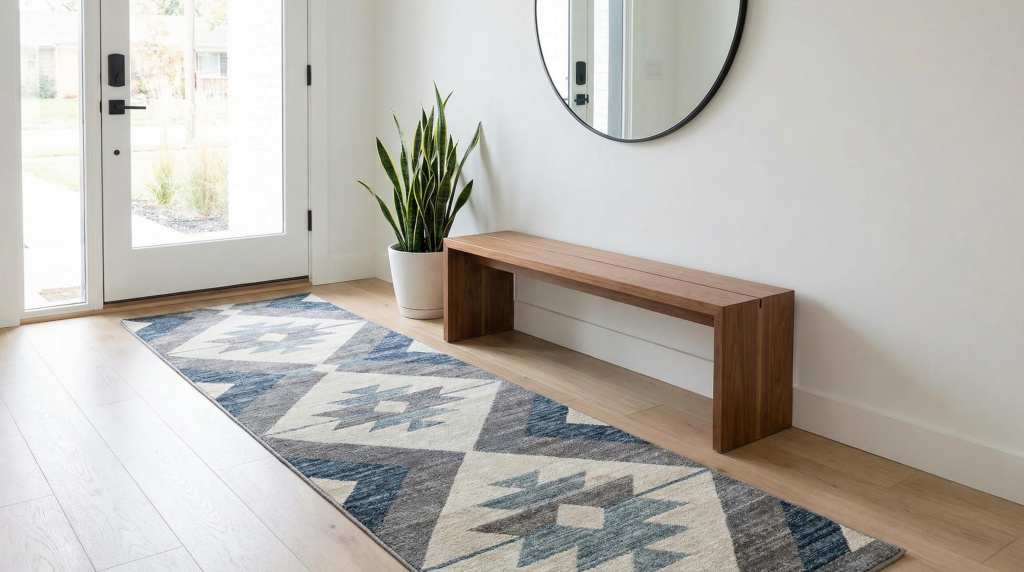
Layering and Defining Functional Areas
Runner rugs are not confined to corridors – they can also define spaces within larger rooms. For instance, placing a runner along the side of a bed creates a soft pathway while framing the sleeping area. In kitchens, a runner in front of the sink or along a galley layout can provide comfort during meal prep and add color to an otherwise utilitarian space. Similarly, in living rooms, runners can visually connect furniture pieces, such as a sofa and console table, subtly delineating zones without the rigidity of furniture placement alone. Using multiple runners in a series or layering them over larger area rugs can introduce texture, depth, and visual rhythm, making the overall design more dynamic.
Layering is particularly effective when working with different textures and patterns. A thin, patterned runner atop a neutral wool rug, for example, creates contrast while maintaining a cohesive look. Runners can also act as a design bridge between rooms, connecting hardwood or tile finishes with soft furnishings. By thoughtfully choosing colors, motifs, and textures, you can enhance flow and continuity across open-plan living spaces. This technique is a smart way to maximize both style and practicality, ensuring each runner serves a purpose beyond mere decoration.
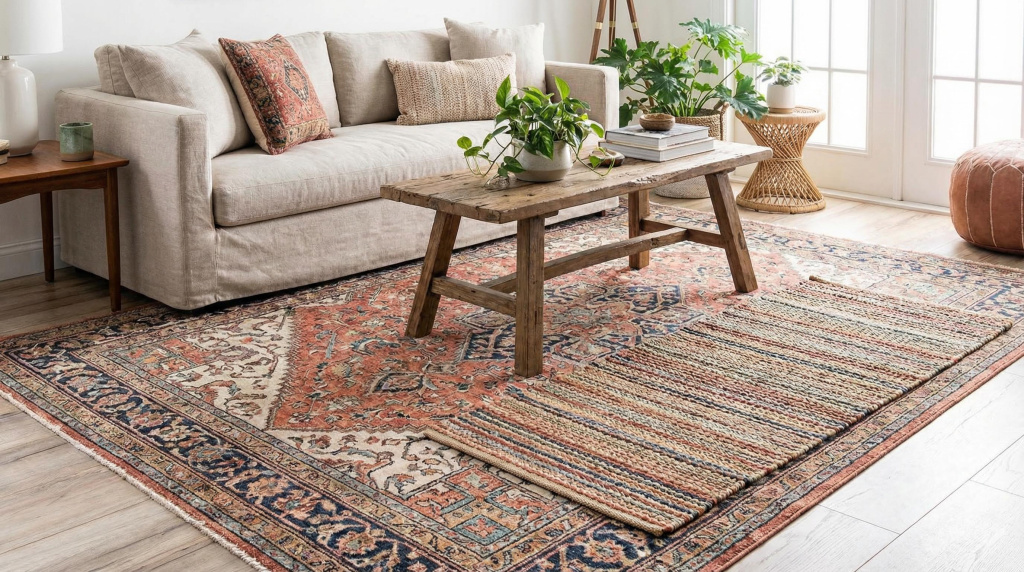
Creative Applications in Unexpected Spaces
One of the most exciting ways to use runner rugs is to place them in unconventional areas. Bathrooms, laundry rooms, and even small nooks can benefit from the warmth and visual interest runners provide. In a narrow bathroom, a runner can prevent slippery surfaces while adding a splash of pattern. In laundry rooms, it can soften hard flooring and make routine chores more comfortable. Even under console tables, behind sofas, or in home offices, runners can subtly define functional areas while maintaining a sense of cohesion. These creative placements challenge the traditional notion of runners as purely hallway decor.
Additionally, runners offer seasonal or thematic flexibility. Swap out runners to reflect holiday décor, seasonal color schemes, or new design trends, and the entire mood of a space can shift dramatically. They are also ideal for renters, as they can transform a room without permanent modifications. For those looking to explore runner options offers a wide variety of sizes, textures, and patterns to suit any home. Pairing these with complementary rugs ensures a harmonious, layered look that elevates every room.
Choosing the Right Runner for Your Home
Selecting the perfect runner involves balancing style, durability, and function. Consider traffic patterns, color palettes, and existing décor elements before making a decision. Wool and synthetic fibers are ideal for high-traffic areas due to their durability, while silk or cotton blends are better suited for low-traffic decorative applications. Size is equally important; a runner should leave a border of visible flooring on each side to avoid overwhelming the space. Pattern choice can also guide the eye – longitudinal patterns elongate narrow spaces, while intricate, repeating motifs add texture and interest. Ultimately, the right runner not only completes a room’s design but enhances its usability, comfort, and personality.
In conclusion, runner rugs offer endless opportunities to blend functionality with artistry throughout your home. From hallways and entryways to layered living areas and unexpected corners, they are versatile tools for creating flow, warmth, and visual appeal. By thoughtfully selecting sizes, patterns, and placement, homeowners can elevate spaces in ways that feel intentional and cohesive. Exploring runners and rugsallows for a highly personalized approach, turning even the most overlooked areas into engaging, stylish environments. With creativity and careful planning, runner rugs can transform your home, one hallway, kitchen, or nook at a time.