
What Is a Loop Pile Rug?
A loop pile rug is a carpet or area rug constructed with yarns that remain uncut, forming a series of closed loops on the surface. Instead of shearing the fibers to create a plush finish, manufacturers leave the loops intact, resulting in a textured and highly durable surface. This structure gives loop pile rugs their recognizable nubby appearance and firm feel underfoot. The design is practical, structured, and particularly well suited to high-traffic interiors.
Unlike cut pile rugs, where the yarn tips are trimmed to create softness, loop pile rugs maintain their continuous loops for strength and resilience. The loops can be uniform in height or varied to create pattern and dimension. This construction method influences how the rug wears over time, how it feels under furniture, and how it responds to regular cleaning. For homeowners seeking performance without sacrificing visual interest, loop pile offers a balanced solution.
How Loop Pile Construction Works
Loop pile rugs are typically produced using tufting or weaving techniques that anchor yarn into a backing material. In tufted versions, yarn is inserted through a primary backing and secured, forming loops across the surface. In woven loop pile rugs, the loops are created as part of the warp and weft structure on a loom. In both cases, the defining characteristic is that the yarn is not cut after installation.
The height and density of the loops determine the rug’s texture and performance. Tight, low loops create a smooth, almost flat surface ideal for offices or hallways. Larger loops introduce visible texture that works well in casual living rooms or layered interiors. Because the fibers remain intact, loop pile rugs distribute weight evenly and resist crushing better than many cut pile alternatives.
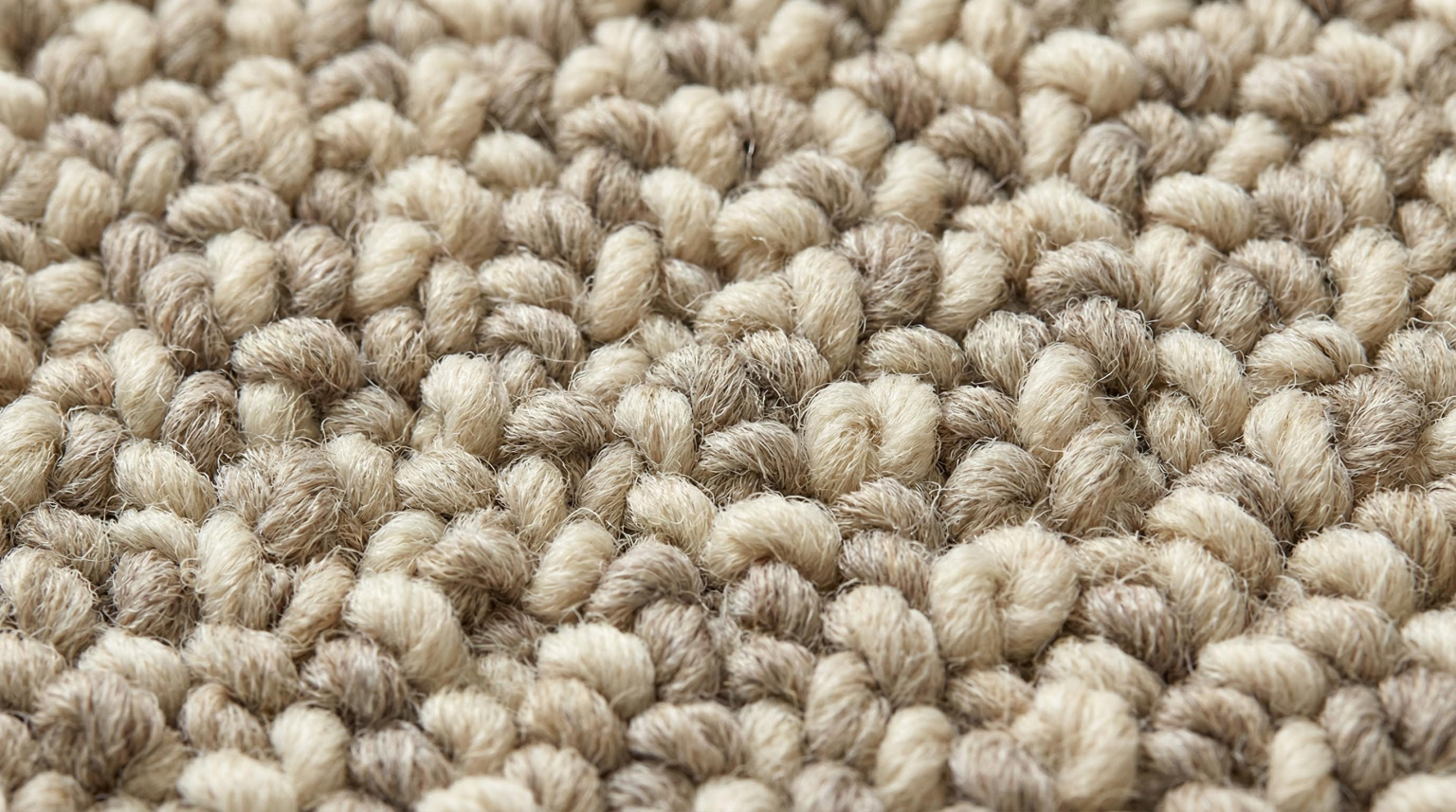
This construction also affects acoustics and insulation. The loops trap small pockets of air, helping reduce noise and provide subtle cushioning. While not as soft as deep cut pile rugs, loop pile designs offer firmness that many designers prefer for structured spaces. They create definition without appearing overly plush or heavy.
Materials Used in Loop Pile Rugs
Loop pile rugs are made from a range of fibers, each contributing different qualities. Wool remains a leading choice due to its natural resilience and ability to recover from compression. Synthetic materials such as polypropylene and nylon are frequently used for their stain resistance and affordability. Blends combine durability with improved texture, making them versatile for residential settings.
Fiber selection impacts both maintenance and appearance. Wool loop pile rugs often display subtle tonal variation, adding depth to neutral palettes. Synthetic versions typically provide consistent color and enhanced resistance to moisture. When browsing collections like loop pile rugs, it is worth comparing fiber composition alongside loop density to match the rug to its intended environment.
In busy homes with children or pets, tightly woven synthetic loop pile rugs often perform exceptionally well. In quieter living spaces, wool loop pile rugs provide warmth and understated texture. The right combination of material and construction ensures the rug maintains its form even after years of use.
Loop Pile vs. Cut Pile: Key Differences
The primary distinction between loop and cut pile rugs lies in the treatment of the yarn surface. Cut pile rugs feel softer because their fibers are sheared, creating a plush top layer. Loop pile rugs, by contrast, maintain closed loops that offer greater resistance to wear. This makes them especially practical in high-traffic areas such as entryways, corridors, and family rooms.
Visually, loop pile rugs emphasize texture over softness. Uniform loops create a tailored look, while multi-level loops can form geometric or linear patterns. Cut pile rugs tend to show footprints and vacuum marks more easily, whereas loop pile surfaces retain a consistent appearance. Designers often choose loop pile for contemporary or minimalist interiors where structure and subtle texture matter more than plush depth.
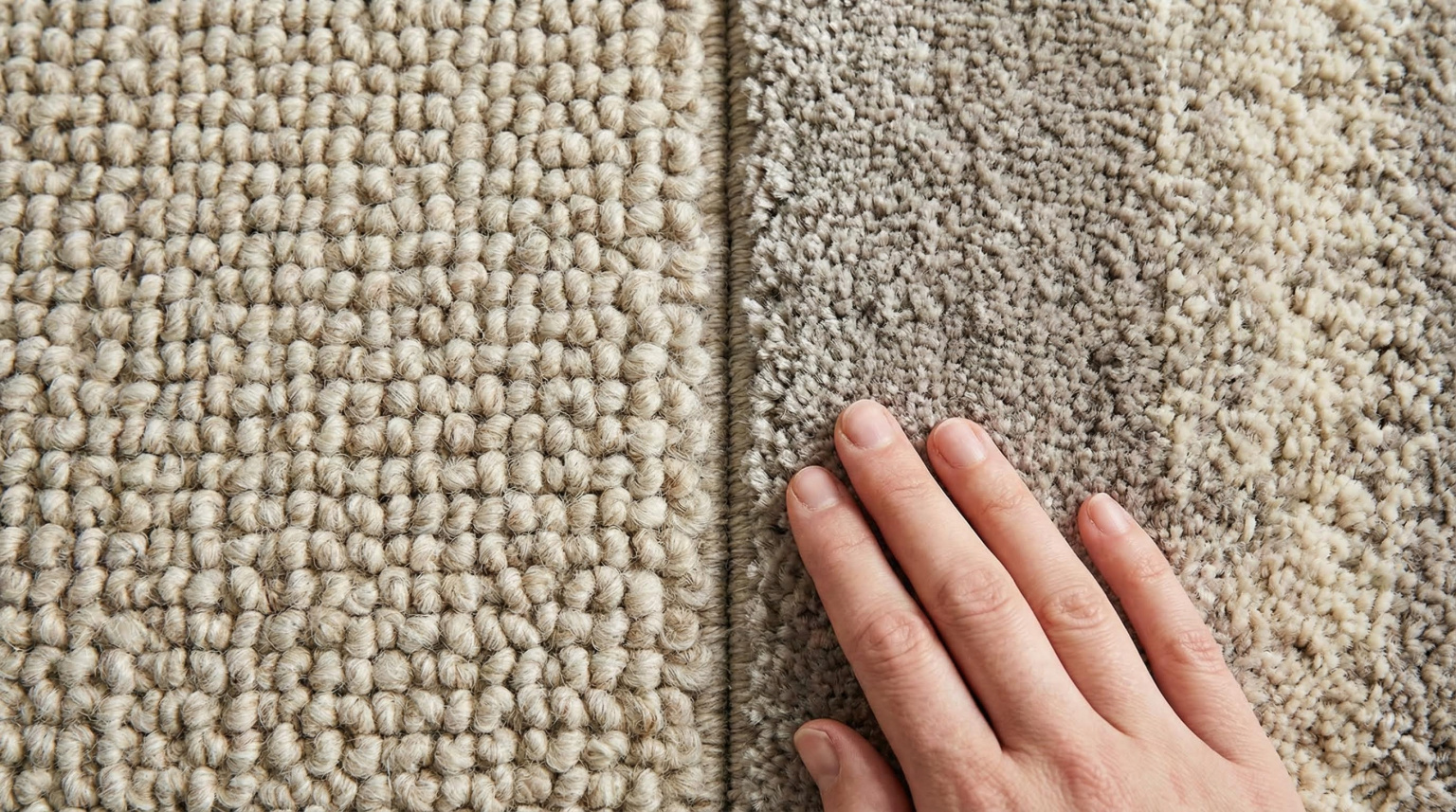
There is also a maintenance consideration. Loop pile rugs are generally easier to vacuum and less prone to matting. However, large or loose loops can snag if exposed to sharp objects or pet claws. Selecting a dense, tightly constructed loop pile reduces this risk and improves long-term durability.
Where Loop Pile Rugs Work Best
Loop pile rugs are particularly effective in functional spaces where durability is essential. In home offices, they provide a stable surface for rolling chairs without excessive indentation. In living rooms, they add texture without competing with furniture or artwork. Their structured surface complements clean-lined interiors and natural materials such as wood, stone, and metal.
They are also well suited to layered design schemes. A neutral loop pile rug can act as a base layer beneath smaller patterned rugs, creating depth without overwhelming the room. Because of their firm profile, they sit neatly beneath dining tables and sofas. This stability supports balanced proportions and prevents shifting.
Ultimately, a loop pile rug is defined by its intact yarn loops and performance-oriented construction. It offers durability, texture, and visual restraint that suits both modern and transitional interiors. By understanding loop height, fiber type, and density, homeowners can choose a rug that aligns with their lifestyle and design goals. In spaces that demand both practicality and refined texture, loop pile remains a reliable and design-conscious choice.