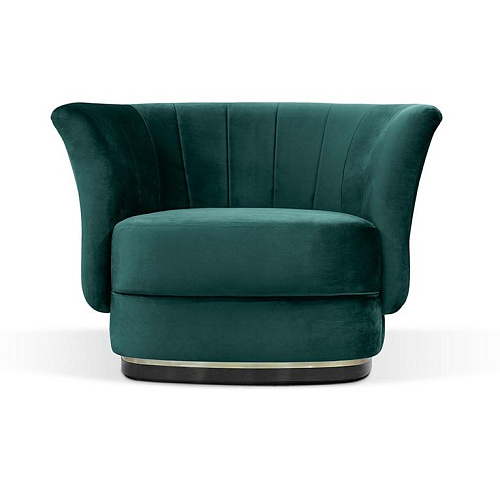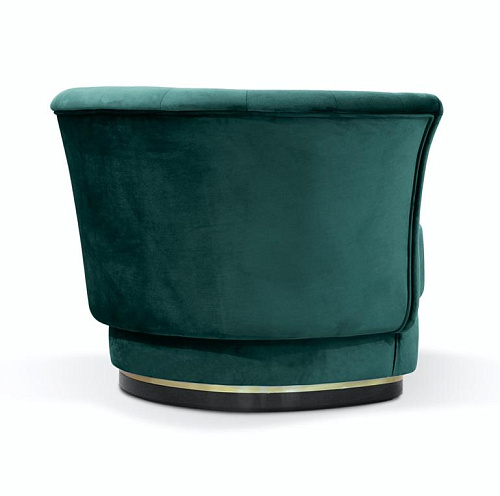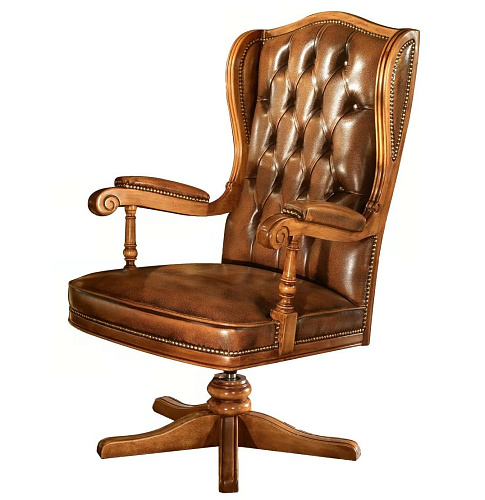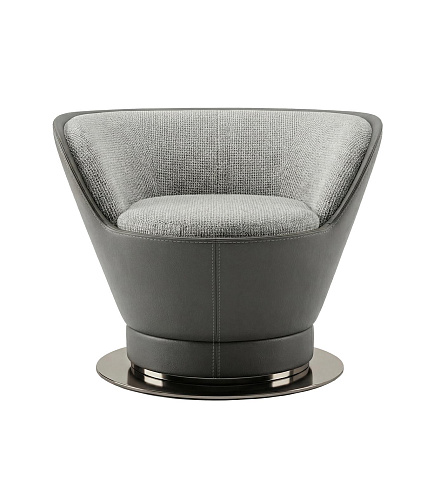
Shopping Basket
You have no items in your shopping basket.


Wishlist
Your wishlist is currently empty
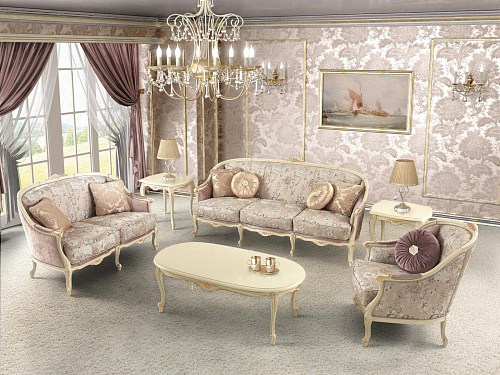
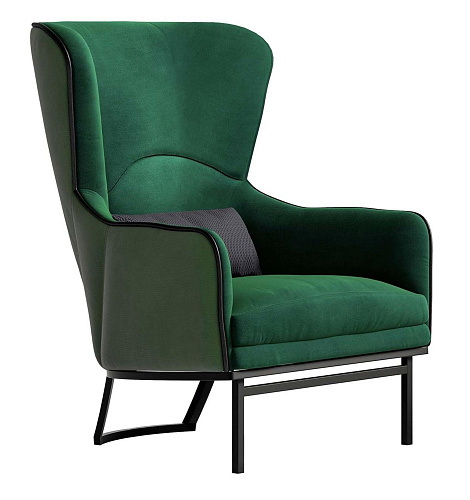
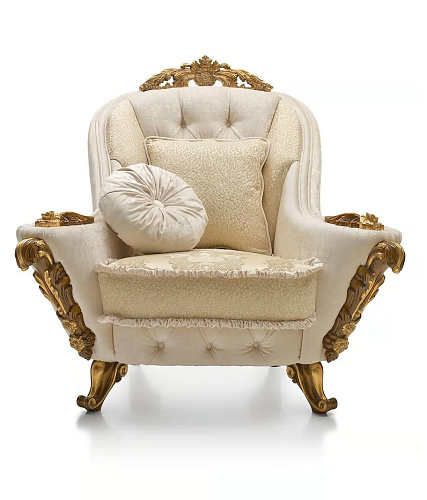
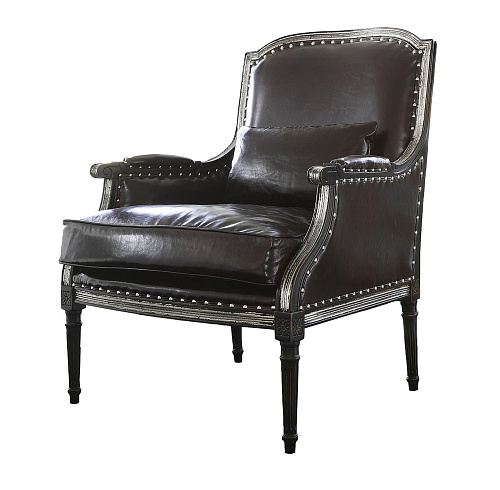
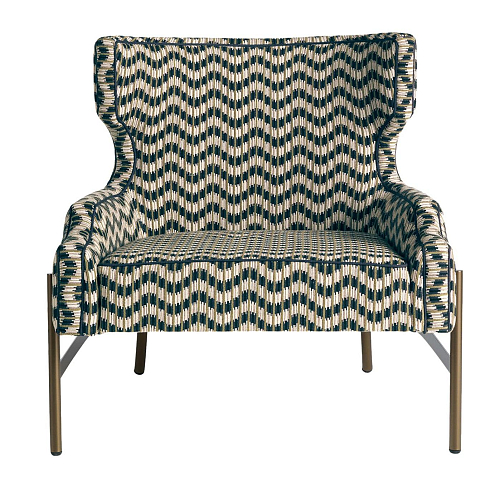
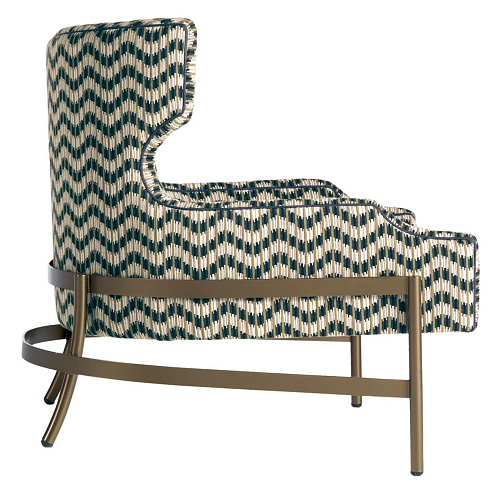
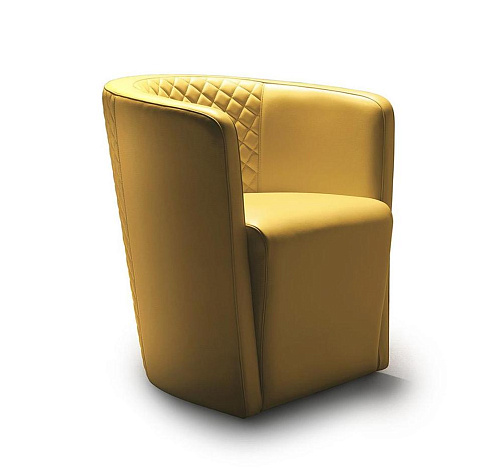
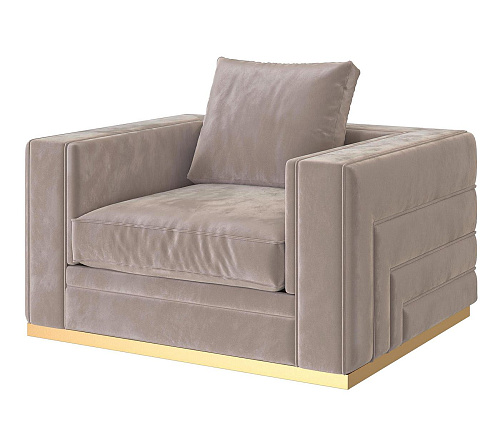
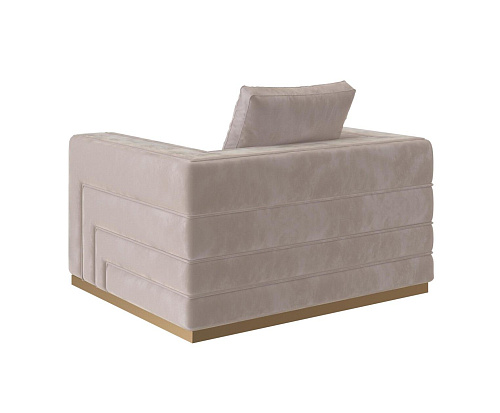
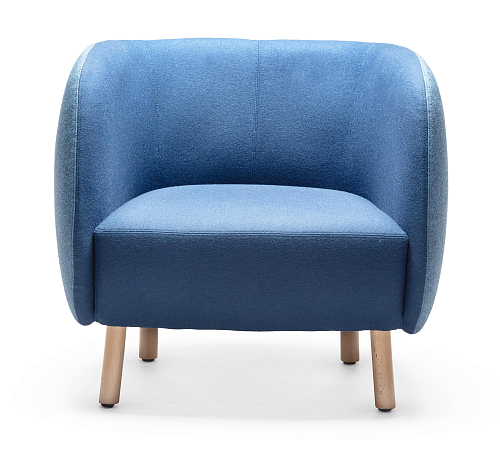
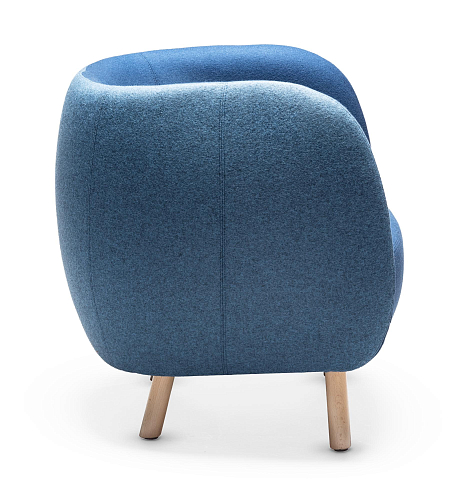
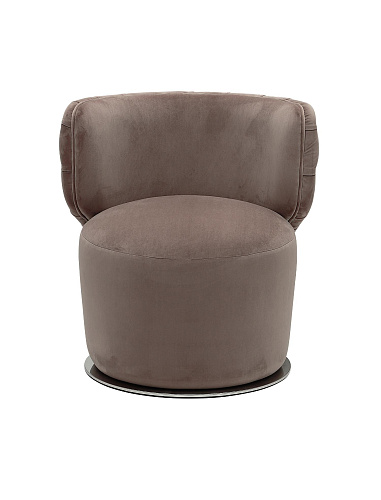
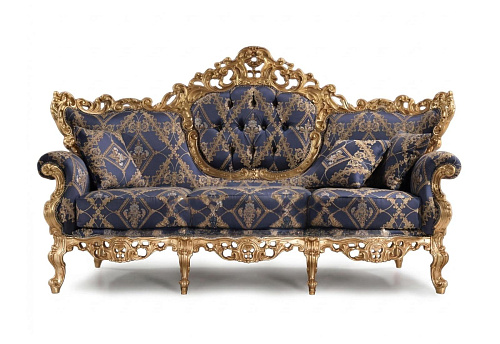
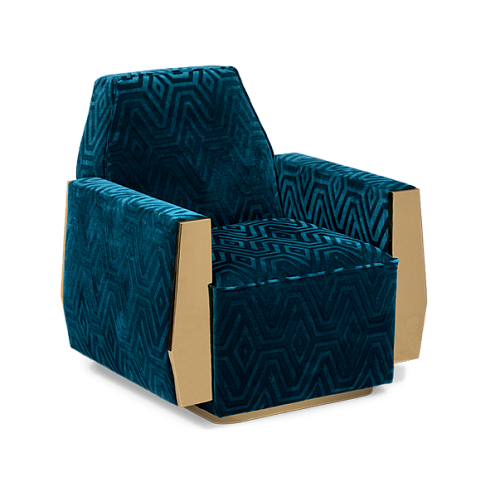
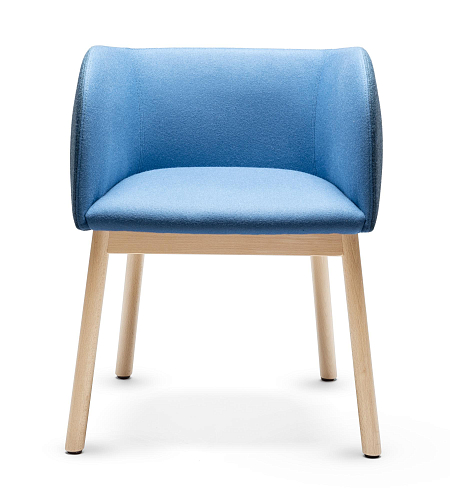
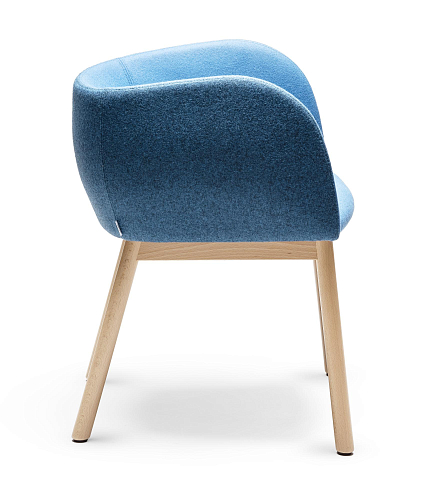
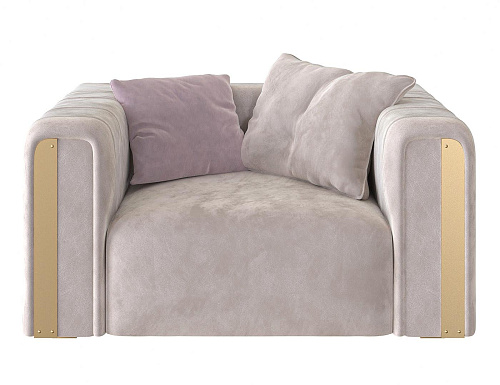
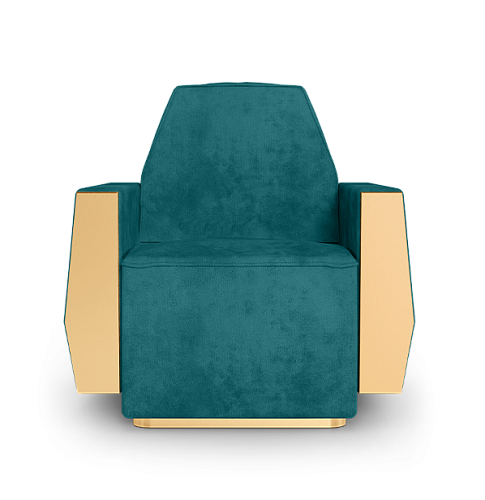
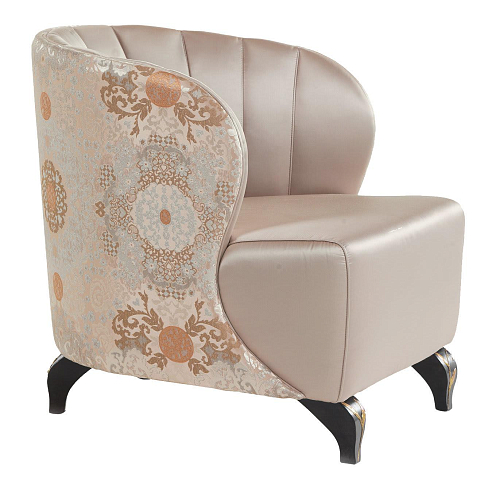
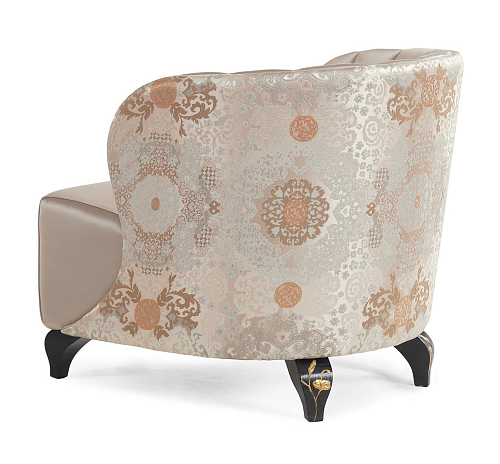
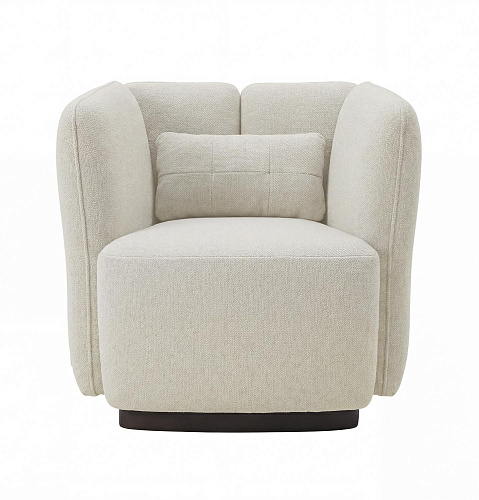
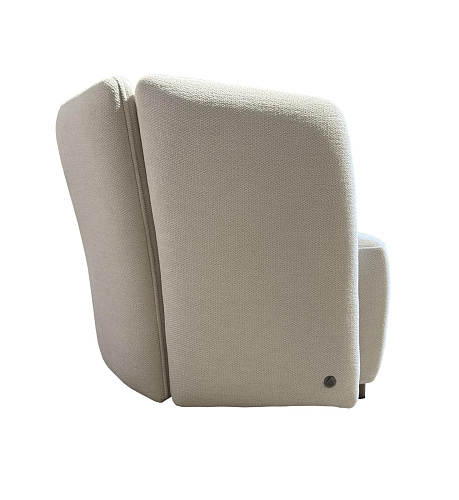
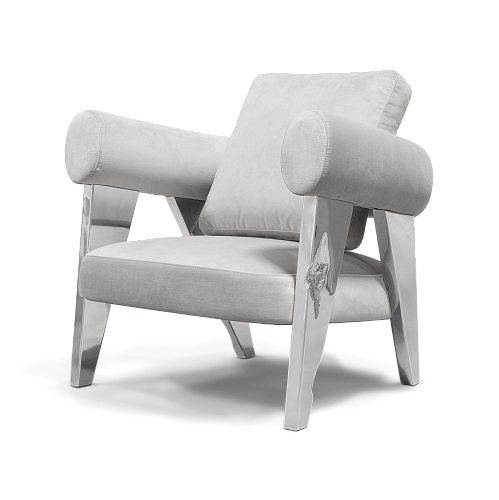
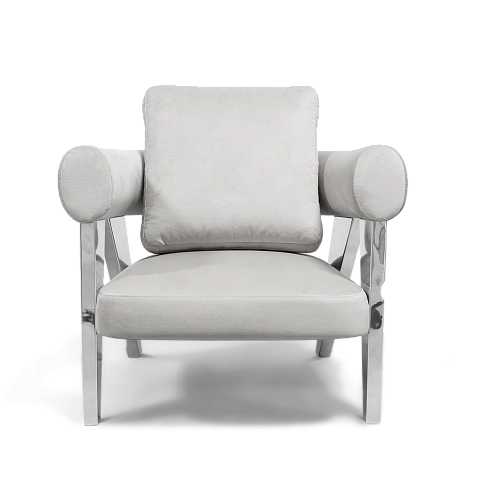
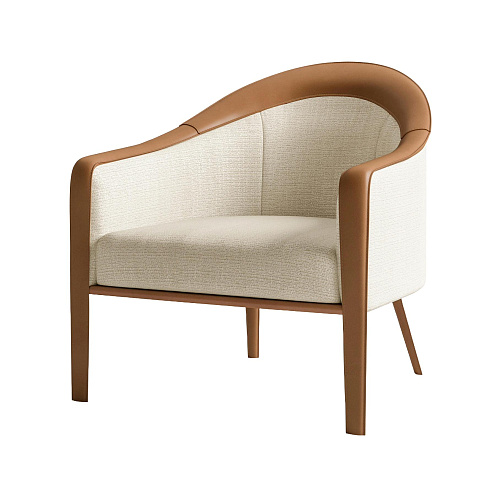
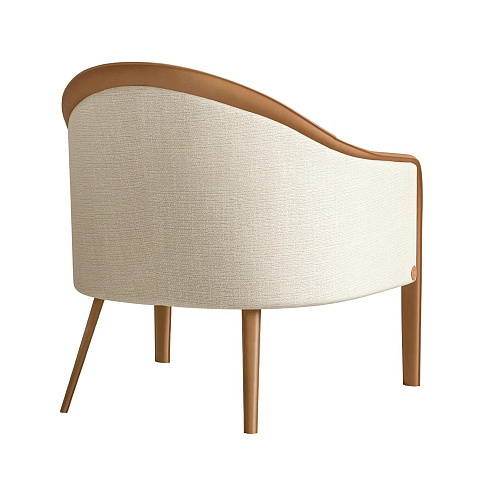
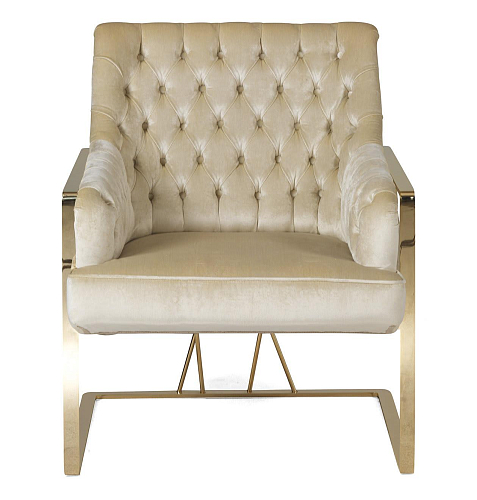
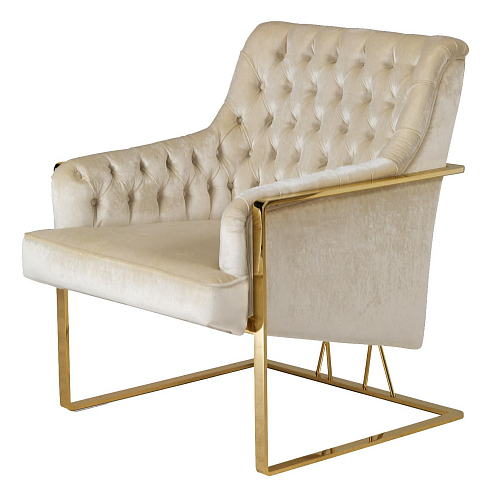
The armchair has attracted more sustained design attention than almost any other piece of furniture — and for good reason. It occupies a singular position in a room, holds its ground visually, and has to reconcile structural demands with comfort in a way that genuinely tests a manufacturer's ability. The pieces in this collection come from Italian, Portuguese, Spanish studios that have been working at the higher end of the market for decades. These are not volume-retail designs scaled up for efficiency. Frames are built from solid hardwoods and high-grade steel. Upholstery is applied by hand in workshops where the process hasn't changed because there is no better way to do it. Full-grain leathers are sourced from tanneries that supply the fashion and automotive industries; performance fabrics — bouclés, velvets, technical weaves — are selected for how they age as much as how they look when new. Foam densities, spring systems, and cushion construction are engineered for long-term support rather than the immediate impression at point of sale. Many pieces are available with custom upholstery, which matters particularly for interior designers and architects working on residential or hospitality commissions where a standard finish isn't sufficient.
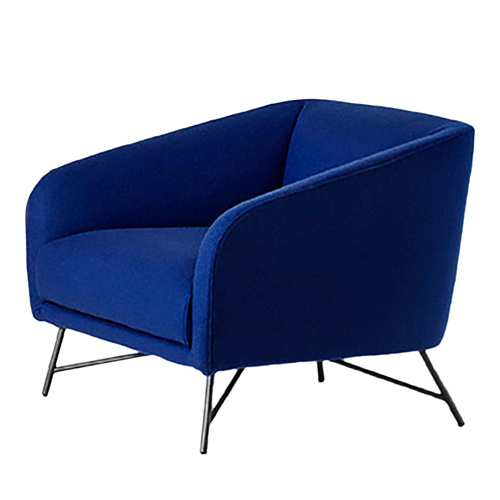
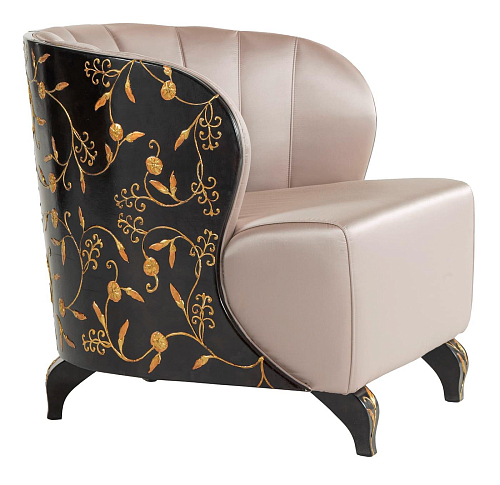
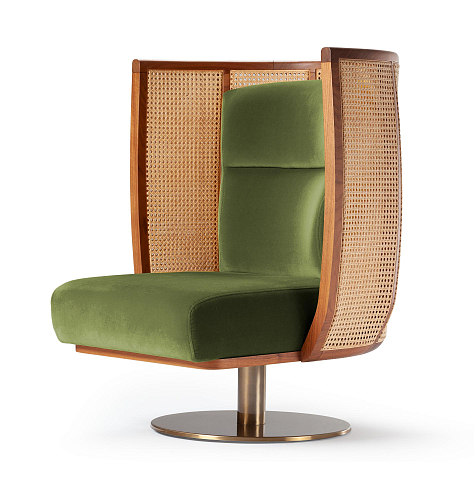
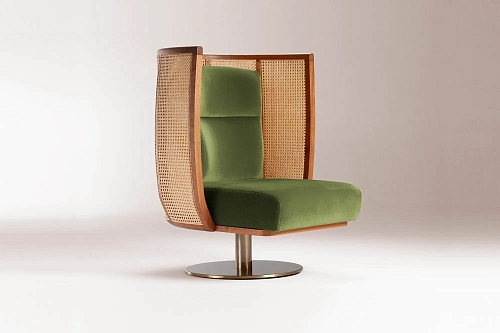
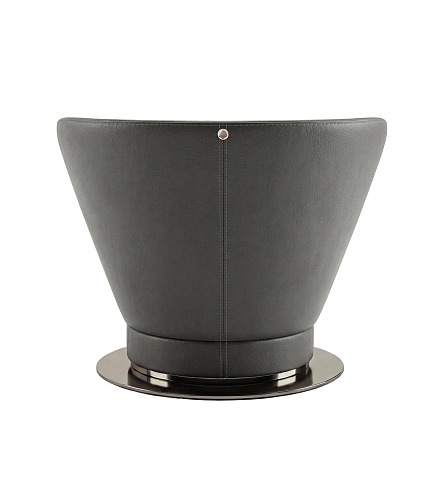
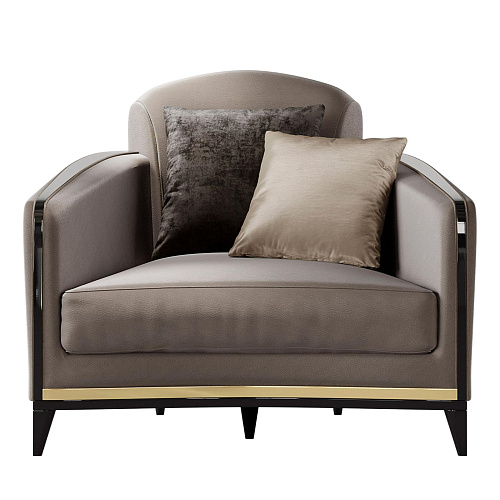
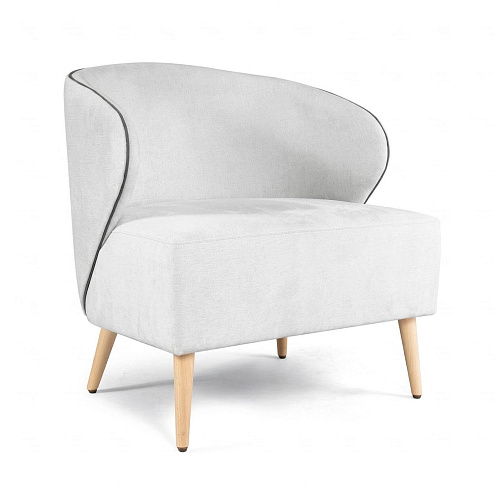
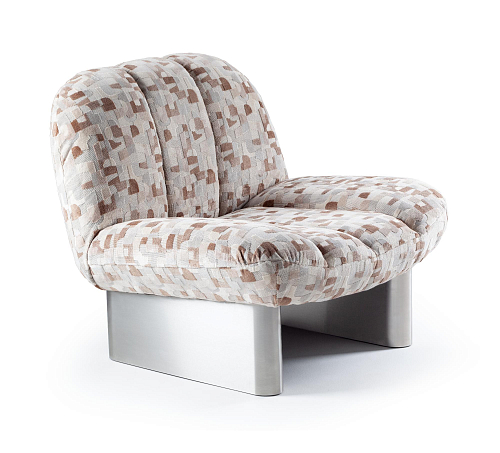
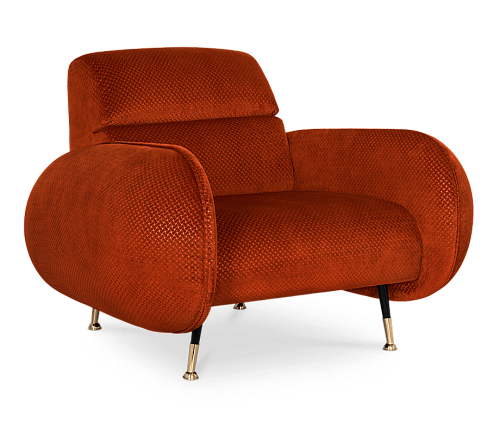
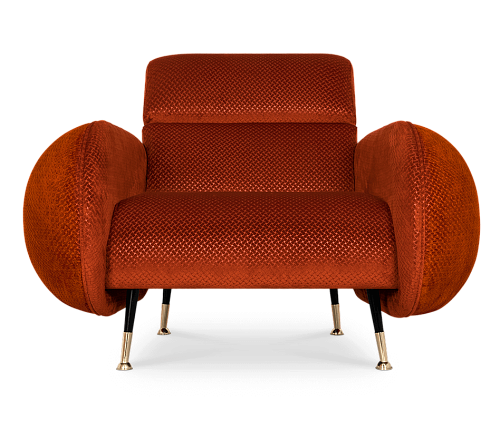
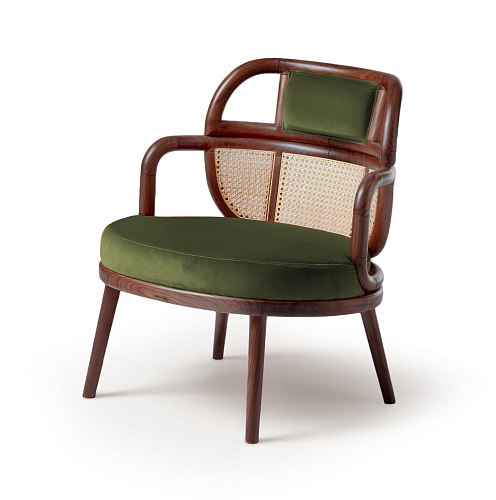
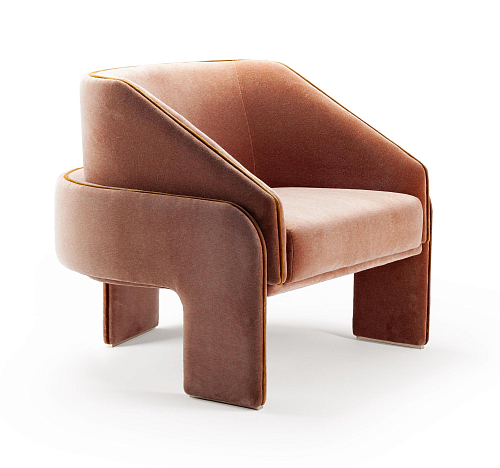
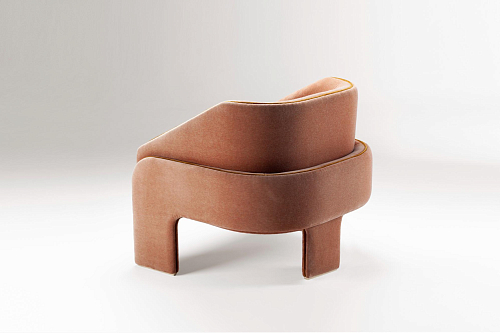
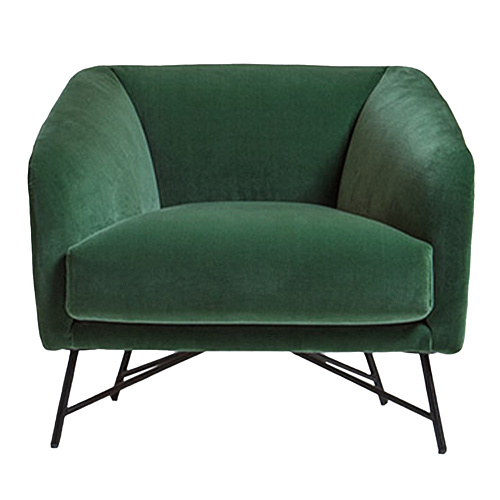
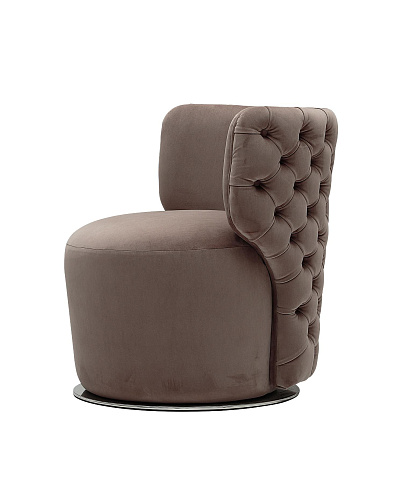
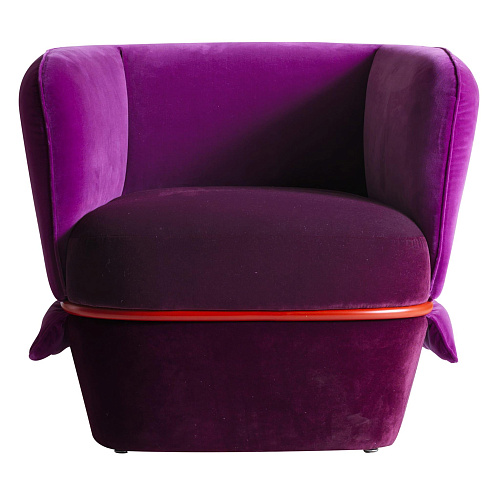
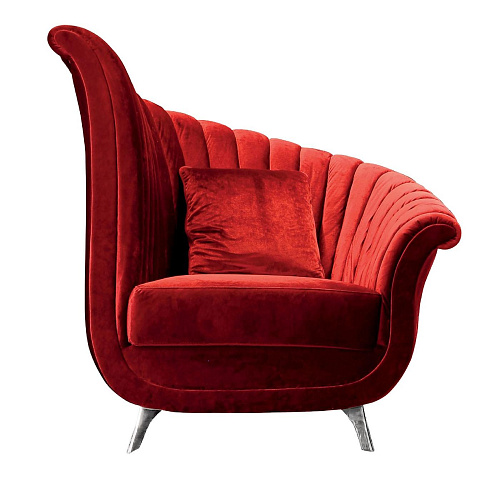
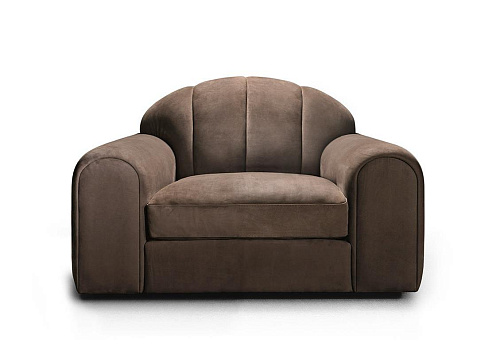
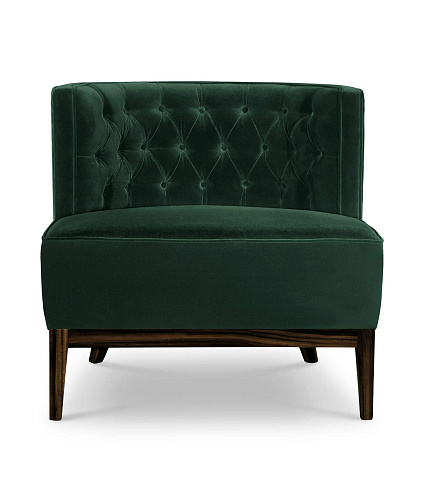
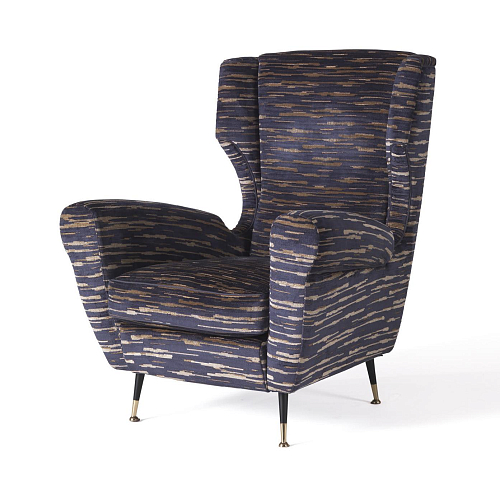
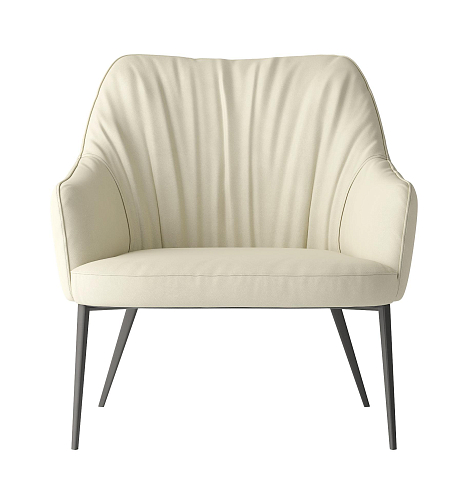
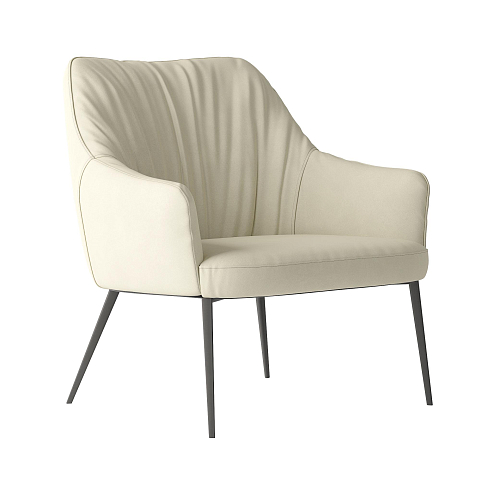
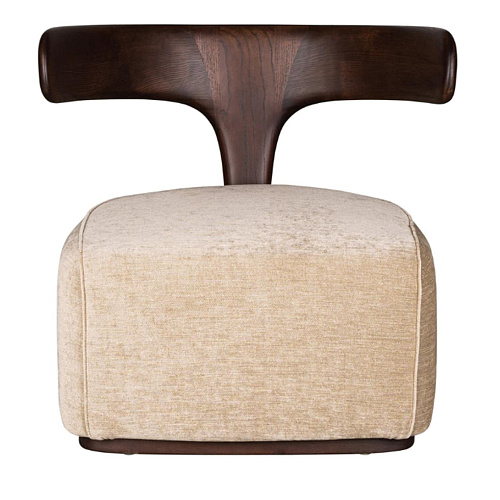
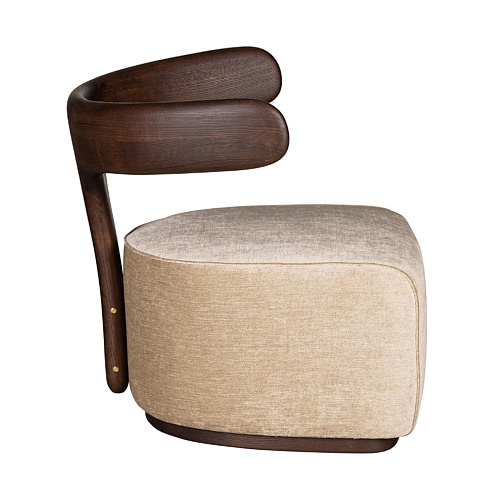
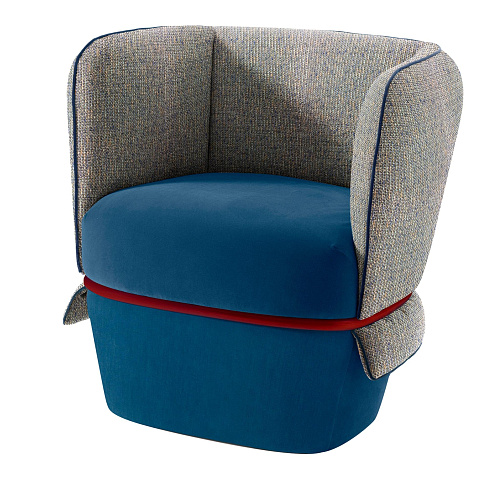
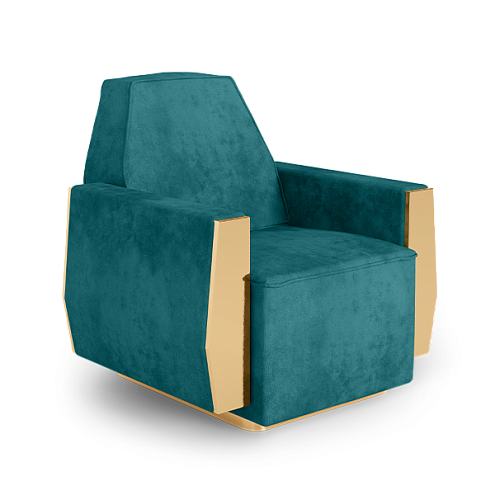
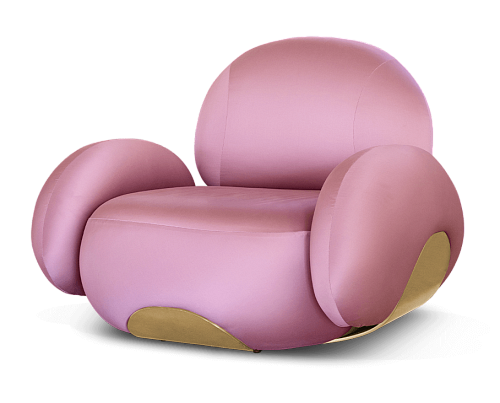
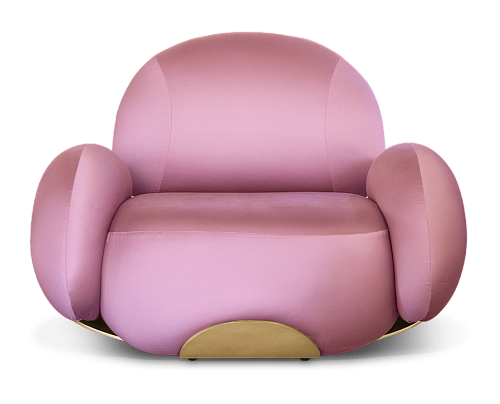
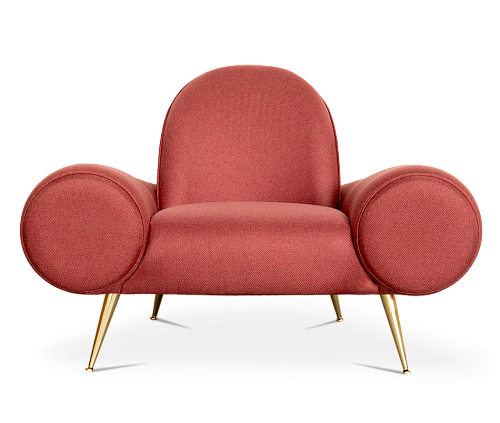
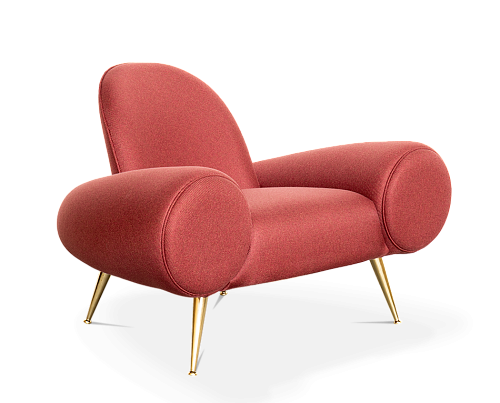
The collection spans several distinct design directions without trying to flatten them into a single aesthetic. Mid-century modernism remains one of the most enduring influences in European furniture — tapered legs, low-profile seats, restrained upholstery that reads as confident rather than decorative. Italian postwar design contributed some of the most referenced silhouettes in furniture history, and the best examples of that tradition, whether originals or their closest contemporary successors, remain in demand because the proportions simply work across a wide range of interiors. Alongside these, the collection includes more contemporary pieces with heavier, more enveloping forms suited to larger open-plan spaces, as well as sculptural designs where the silhouette itself carries the visual weight — curved backrests, asymmetric arms, upholstery used almost architecturally. These are chairs that hold a position in a room rather than recede into it.
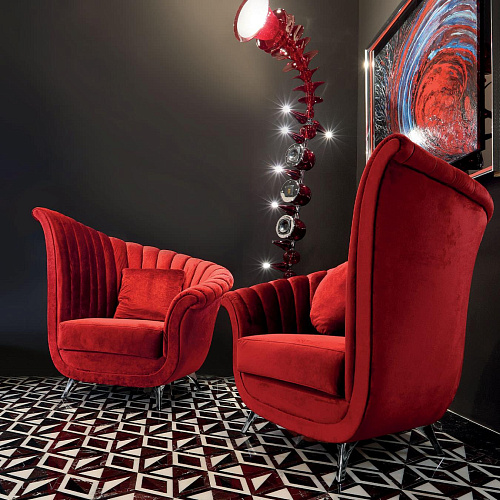
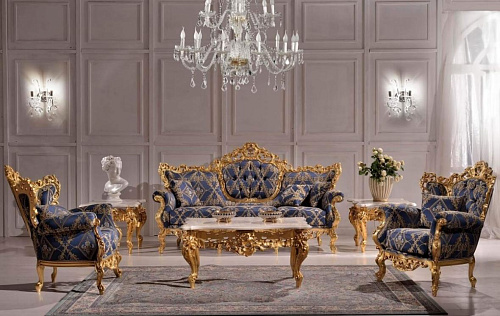
In a well-considered interior, a designer armchair functions differently from most other furniture. Placed beside a window, angled toward a fireplace, or anchoring a corner that would otherwise read as unused space, a single piece can define how a room is experienced. In contract and hospitality settings — hotels, private members clubs, executive offices — armchairs carry particular weight because they are often the first piece of furniture a guest interacts with directly, and the quality of that experience reflects on the space as a whole. The manufacturers represented here have long track records supplying high-end projects across Europe, and the construction standards reflect that context. These are pieces specified to perform well over years of consistent use without losing the visual integrity that made them worth choosing in the first place.