Shopping Basket
You have no items in your shopping basket.


Wishlist
Your wishlist is currently empty
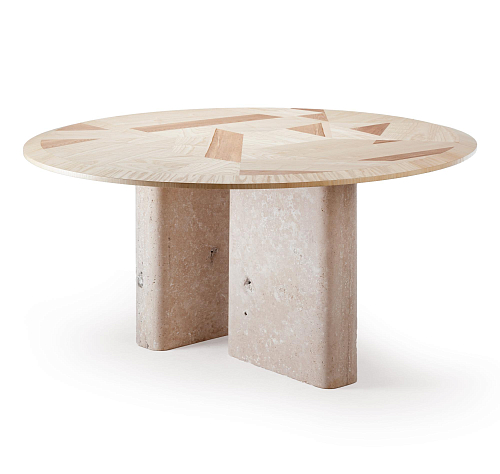
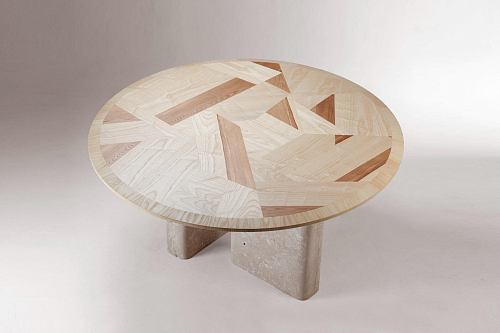
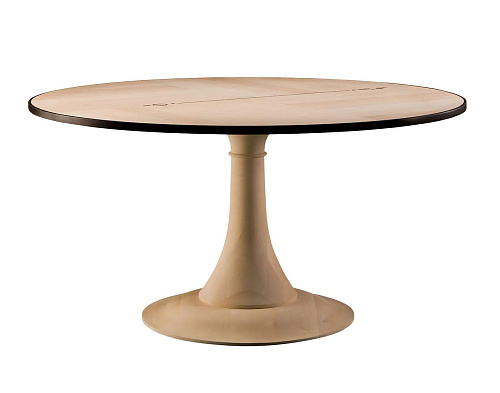
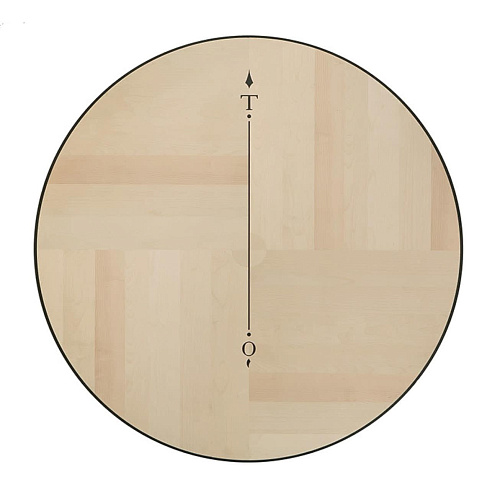
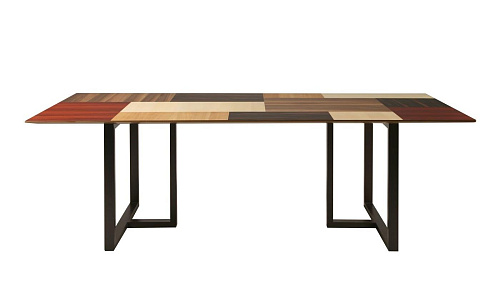
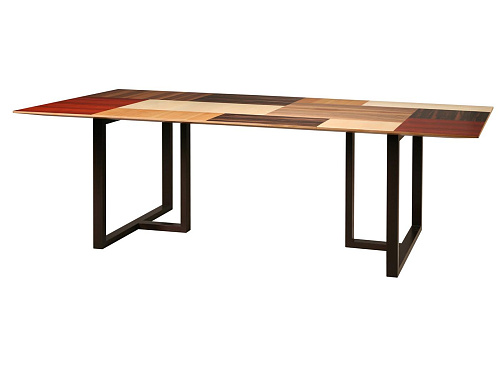
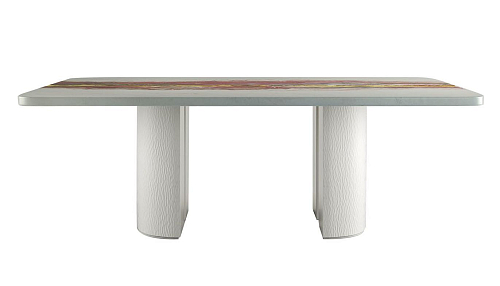
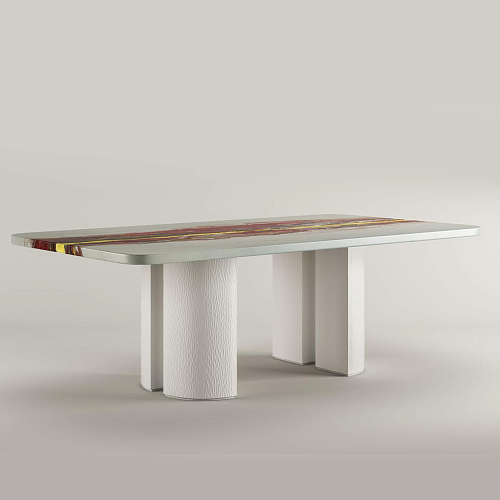
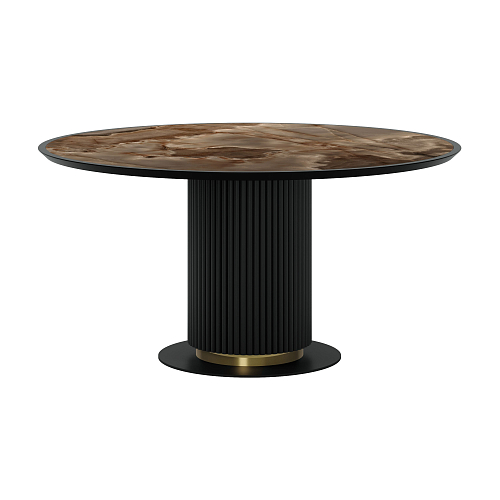
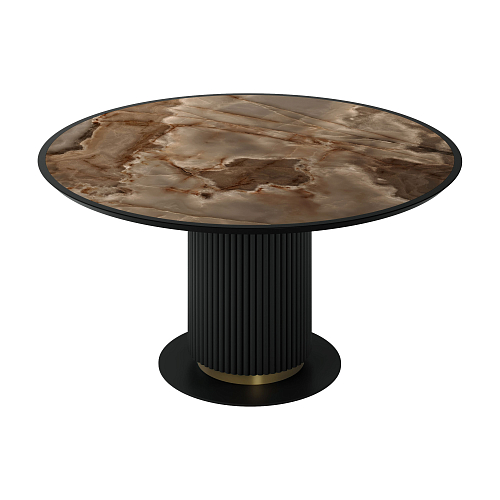
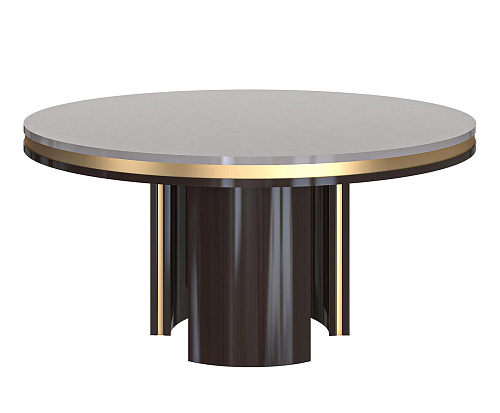
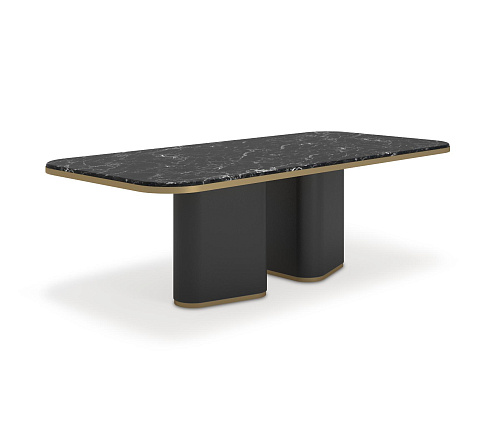
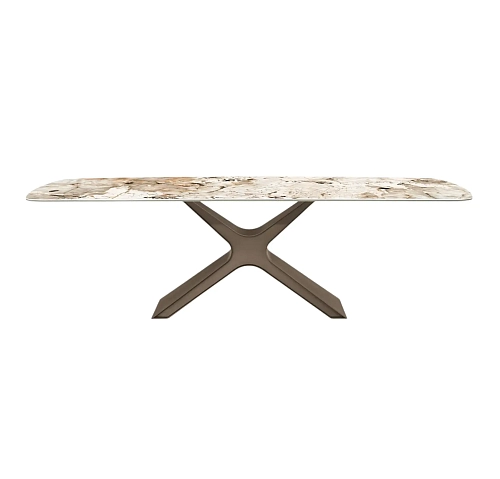
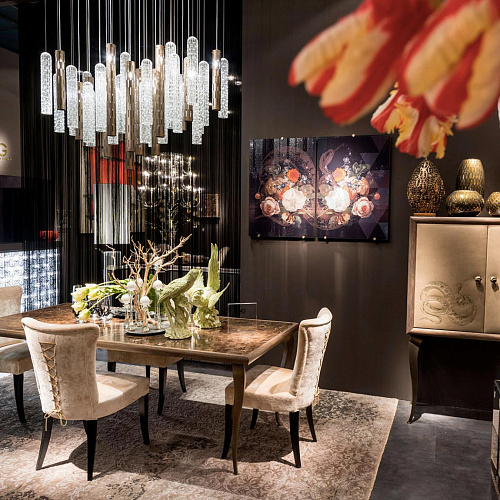
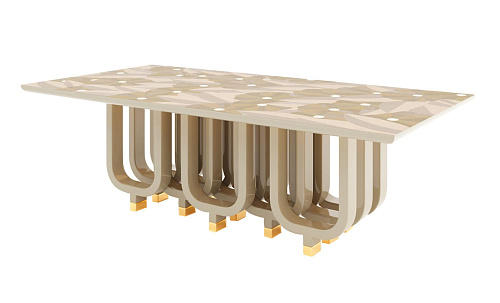
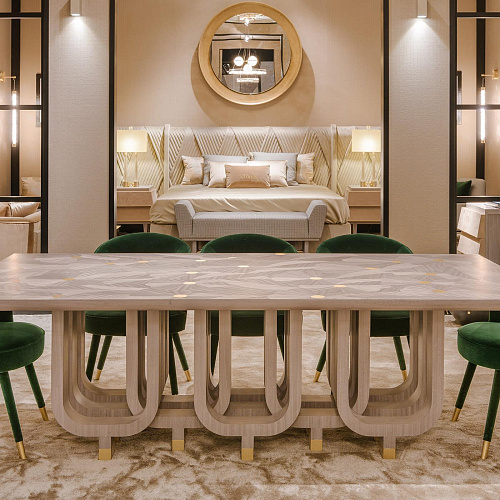
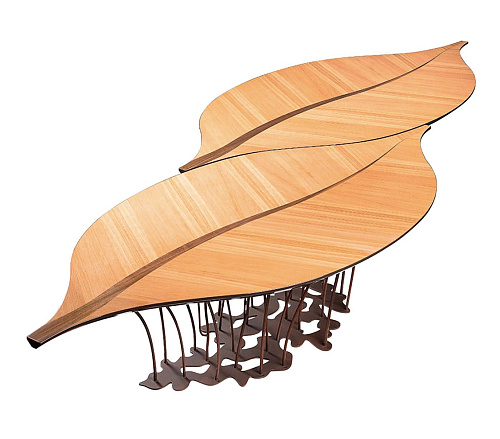
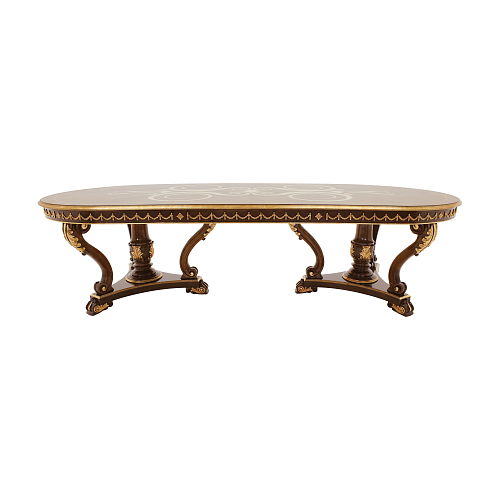
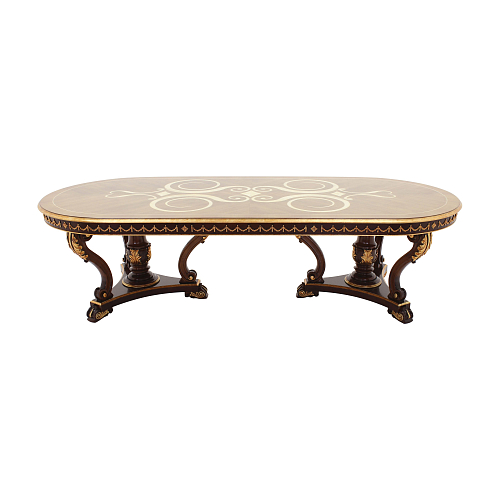
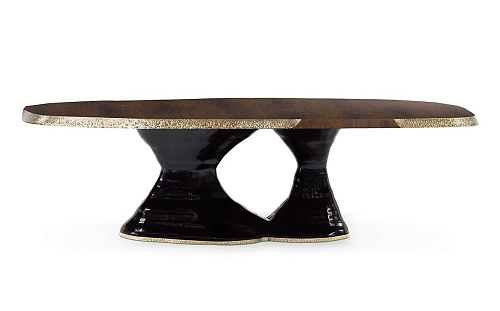
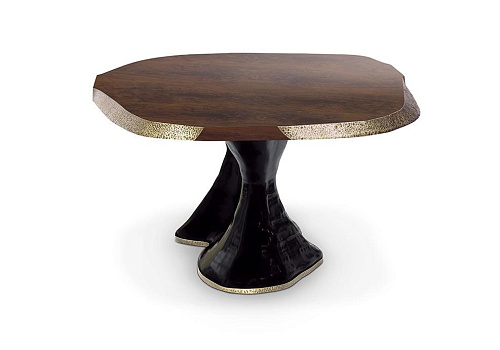
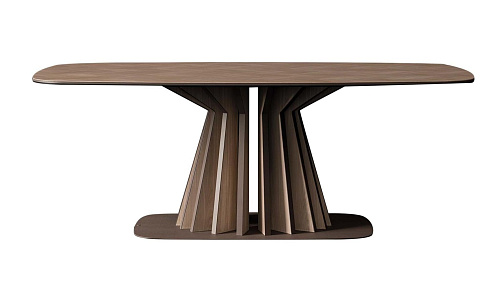
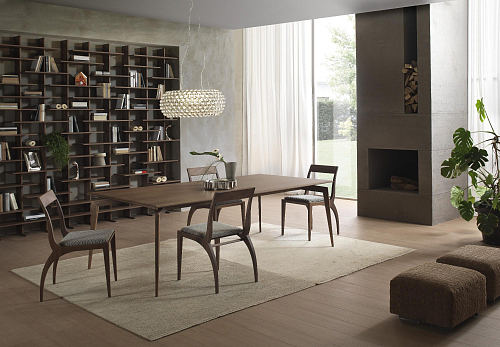
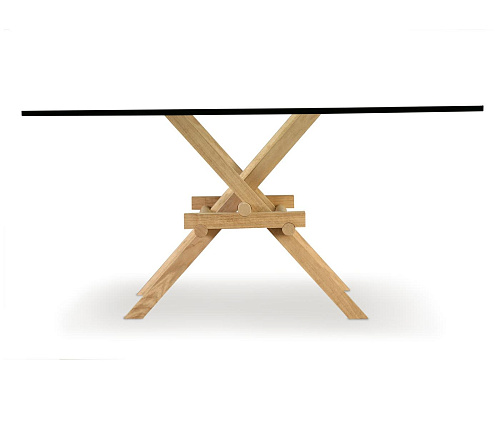
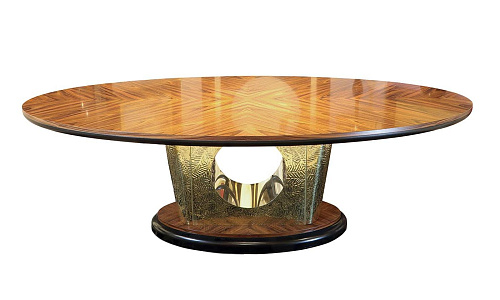
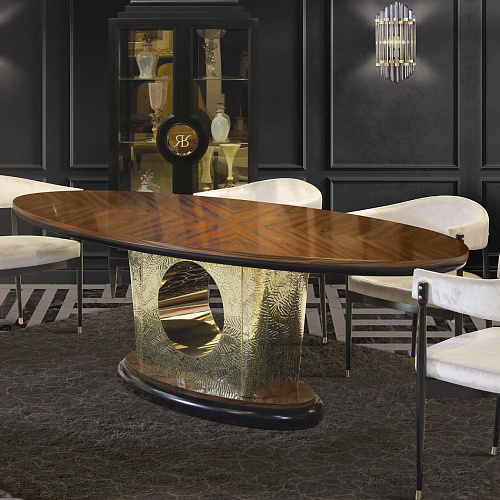
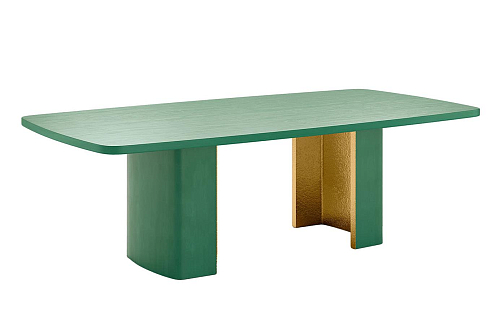
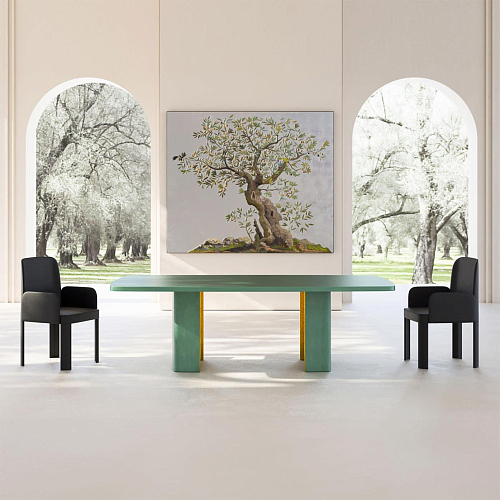
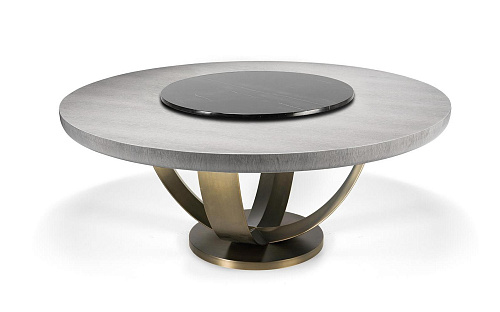
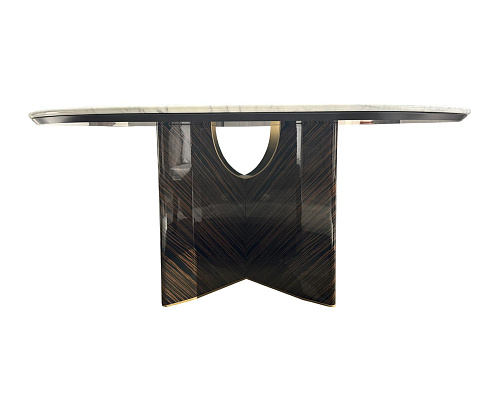
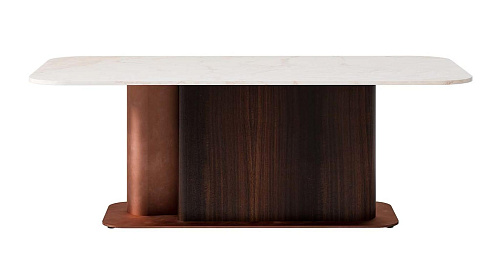
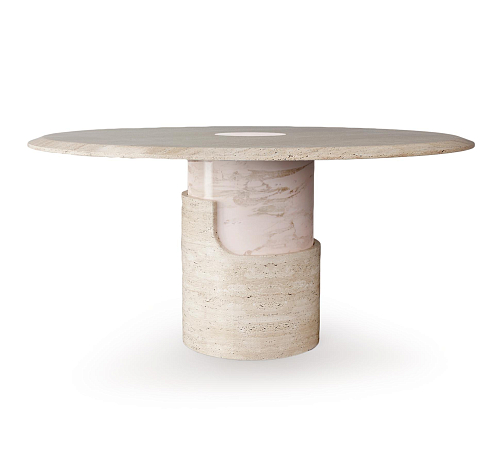
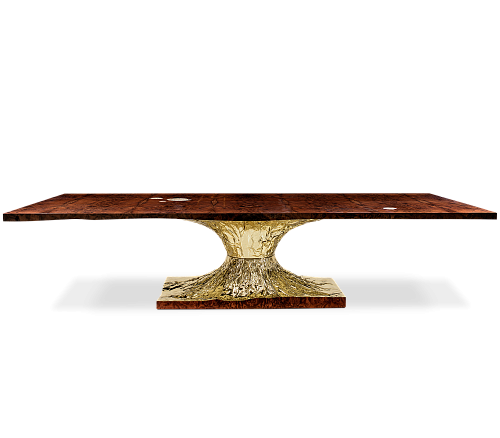
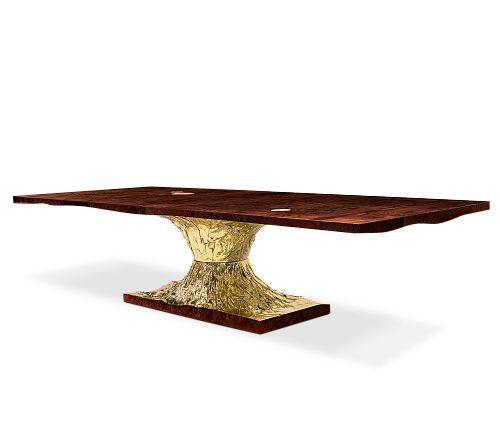
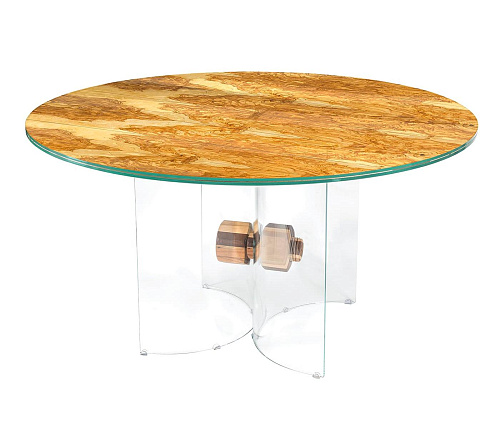
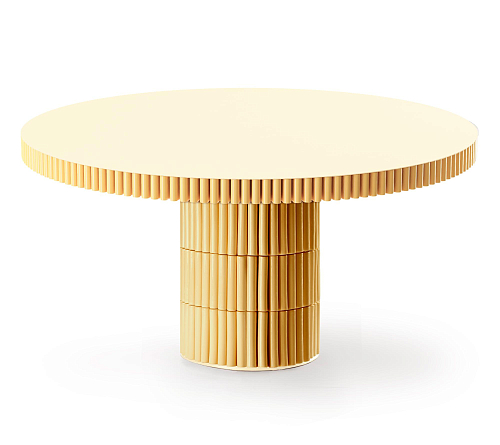
This collection brings together dining tables in solid oak, walnut, teak, and marble — round, oval, and rectangular, across a range of sizes suited to different rooms and different ways of using them. Every piece is built from solid hardwood or stone on hardwood or steel bases. No veneered board, no hollow sections, no components chosen to reduce the unit cost at the factory while keeping the retail price where the margin works.
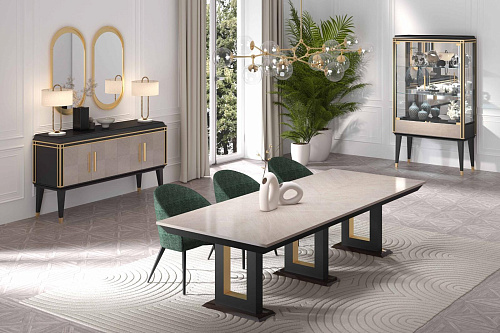
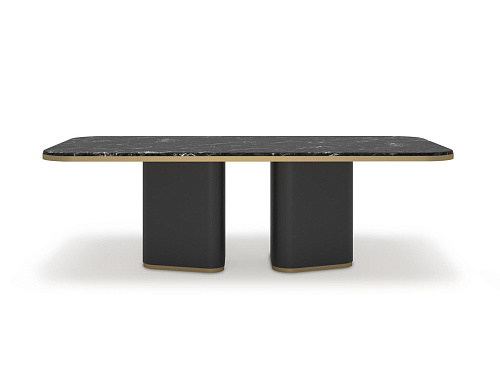
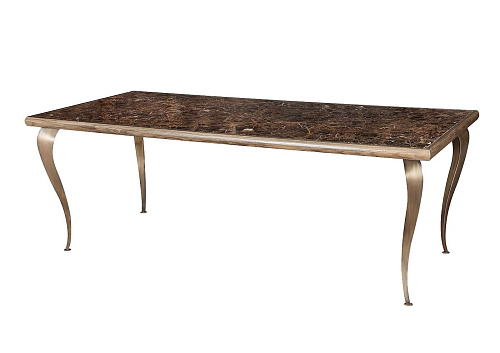
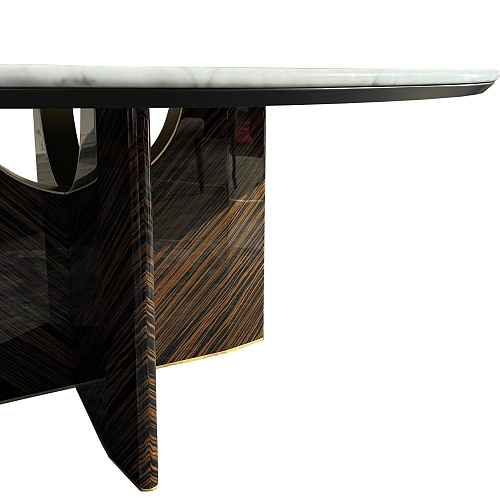
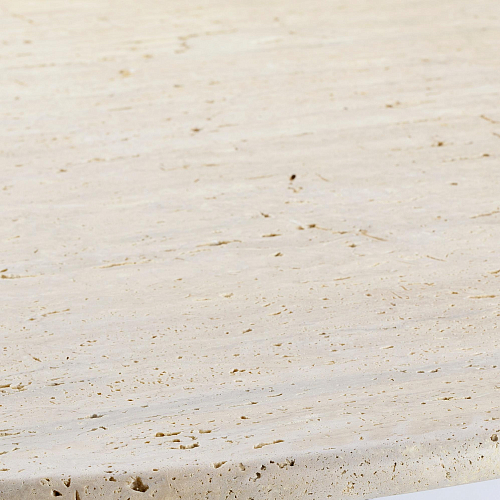
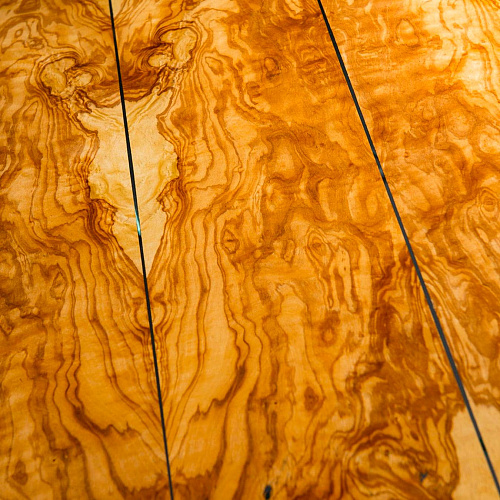
Tabletop finishes run from natural oil to hard lacquer to smoked treatments. Oiled surfaces develop a patina over time and are straightforward to repair if the surface is damaged. Lacquered tops hold a consistent appearance for longer and resist moisture and staining more reliably under daily use. Marble tops — Carrara through the lighter end of the range, emperador and nero marquina through the darker — sit on bases built specifically for the load, with mechanical connections at the join rather than adhesive alone.
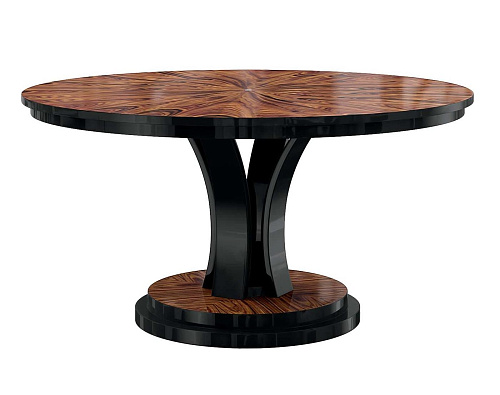
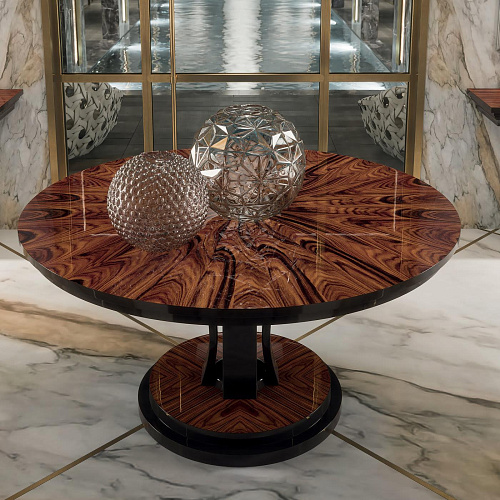
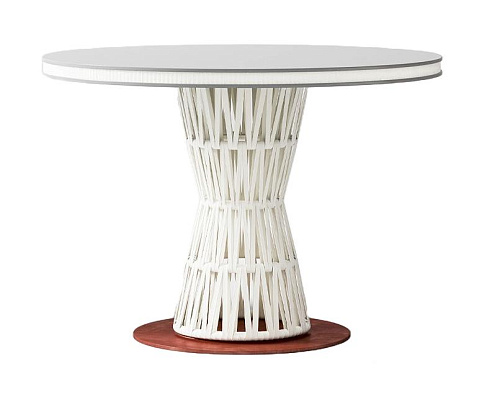
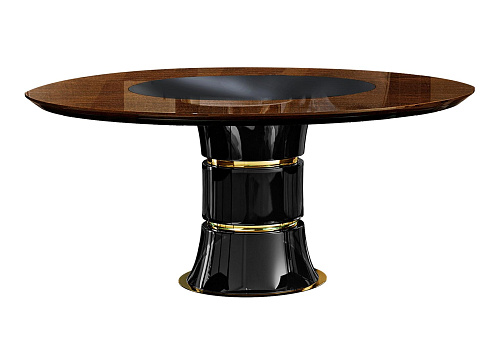
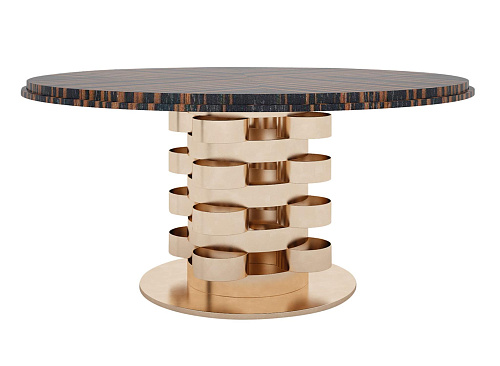
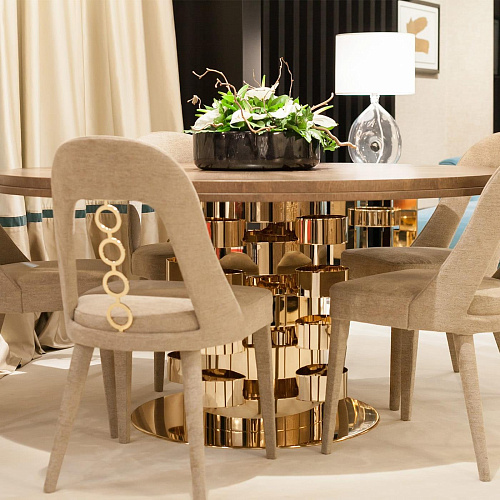
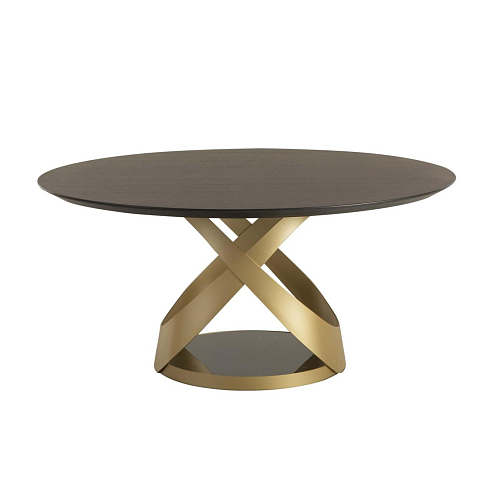
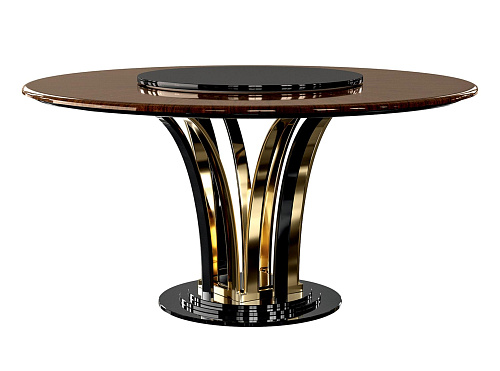
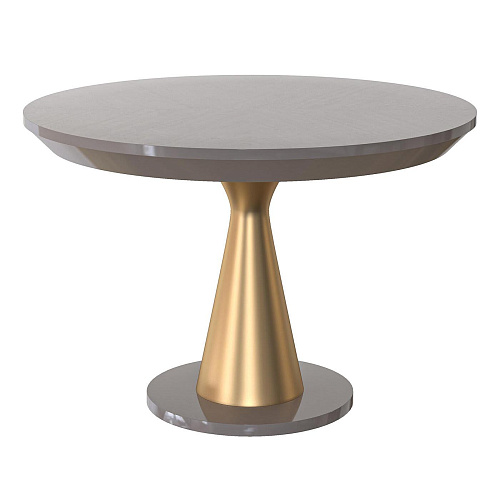
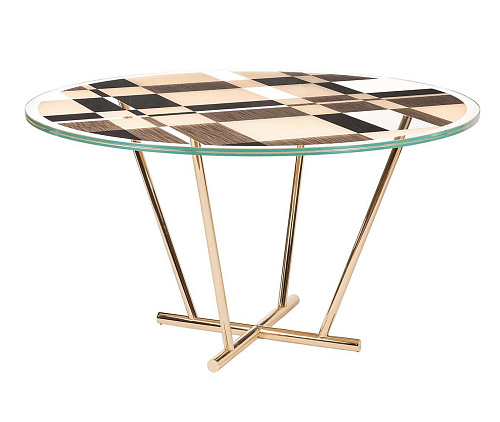
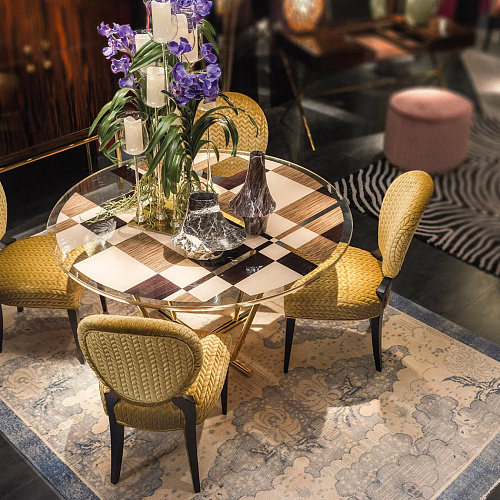
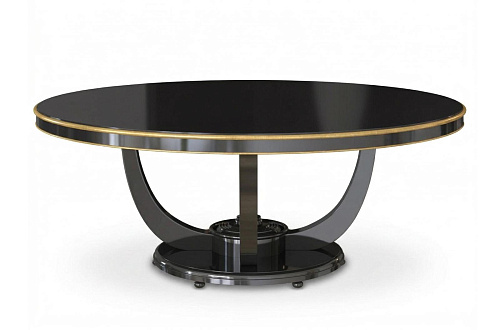
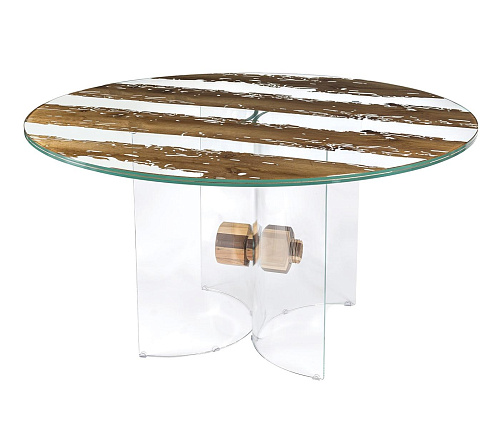
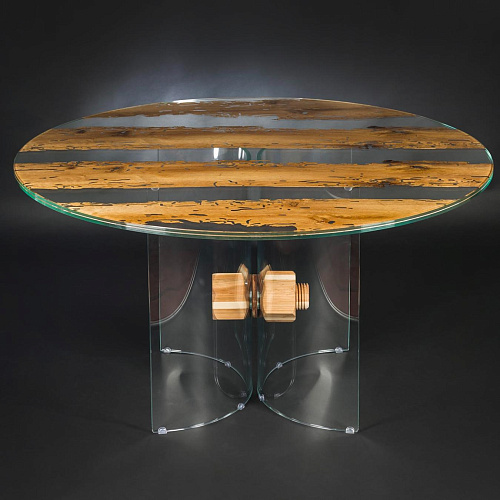
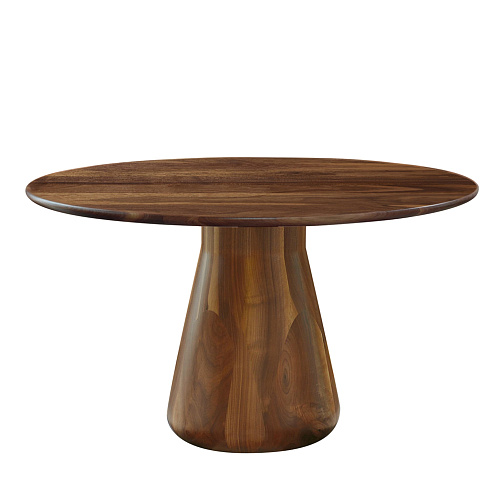
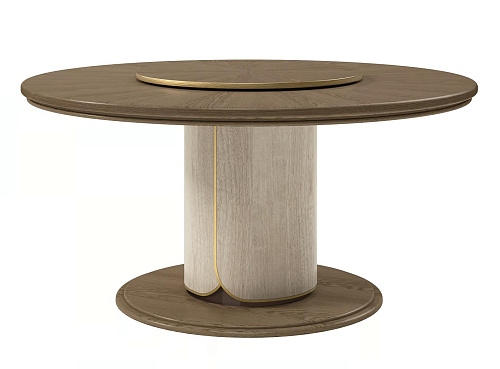
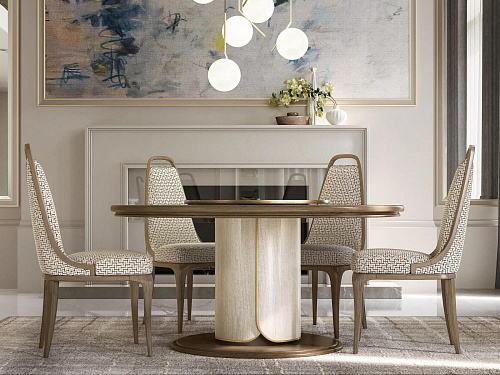
Round dining room tables seat the same number of people in less floor space than rectangular equivalents and remove the head-of-table dynamic that rectangular formats impose. Everyone sits at the same distance from everyone else, which changes the feel of a meal in ways that are difficult to achieve with other shapes. Round tables suit square rooms or rooms where the table sits away from the wall on all sides.
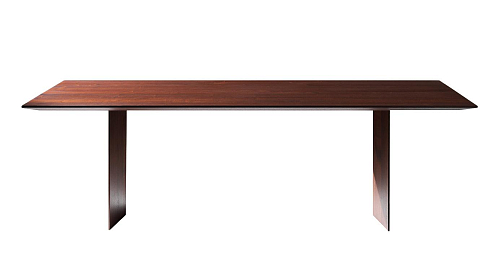
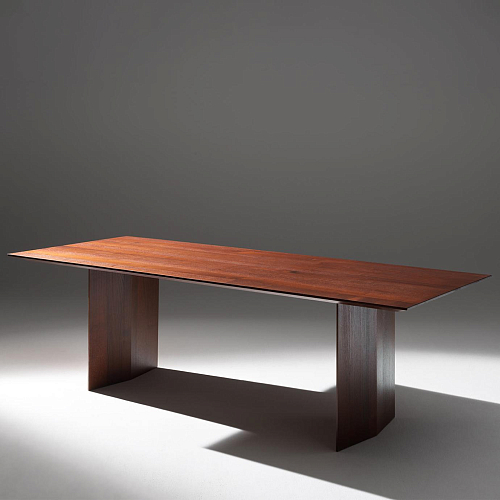
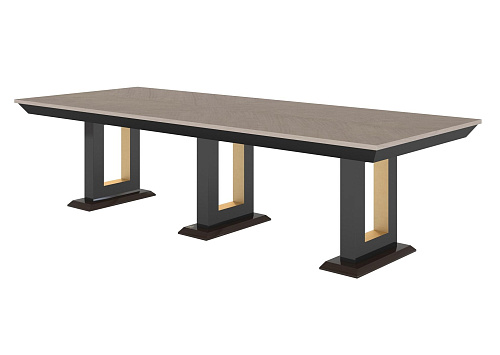
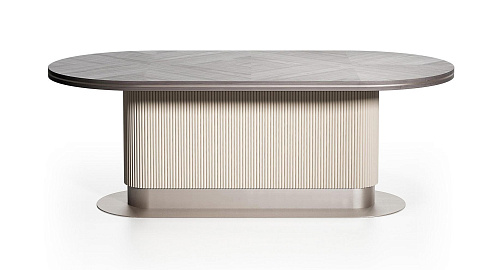
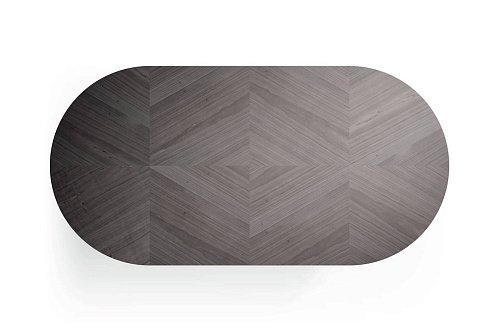
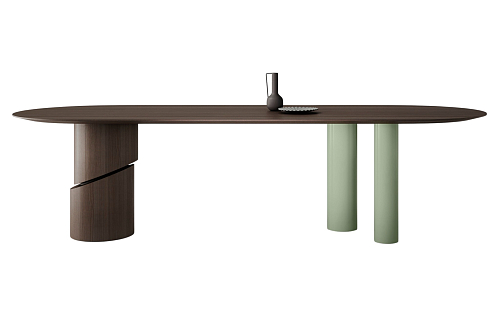
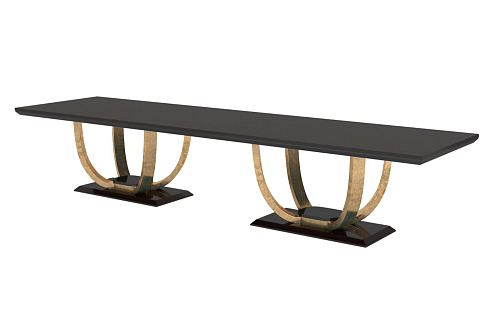
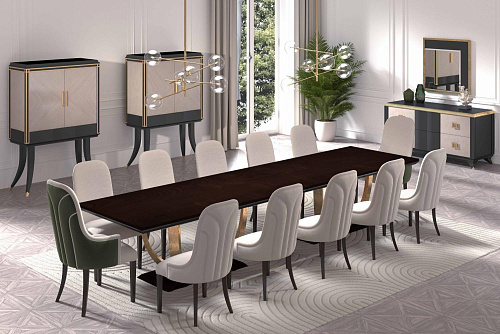
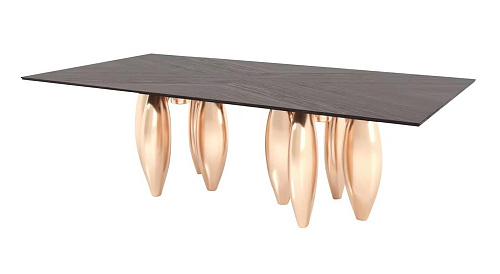
Rectangular tables handle larger numbers more efficiently and suit longer rooms where the table runs parallel to the main axis of the space. They also work better against a wall when the room calls for it. Oval formats sit between the two — the visual softness of a round table with the seating capacity of a rectangular one, and enough flexibility to work in rooms where neither extreme fits well. Extendable formats across all three shapes allow a single table to cover both daily use and occasional larger gatherings, with extension leaves matched in grain and finish to the main top.
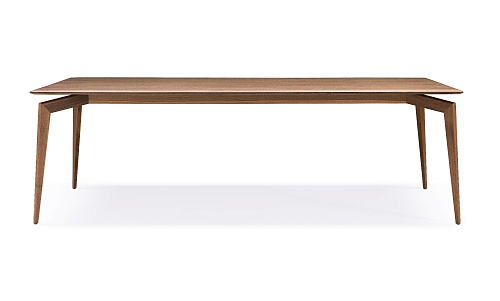
On a well-made designer dining table, the base-to-top connection is mechanically sound and properly resolved rather than covered up. The apron, where present, is mortise-and-tenon or dowelled rather than pocket-screwed. The legs are solid section throughout, not laminated strips finished to look solid from the outside. The hardware on extendable mechanisms runs smoothly under load and stays aligned after years of opening and closing.
None of this is visible in a product photograph. But it determines whether the table is still in the same condition in fifteen years, and whether it can be repaired rather than replaced if something goes wrong. The pieces in this collection come from workshops where those decisions are made at the design stage, not resolved during production to hit a cost target.
A dining table is one of the few pieces of furniture that genuinely gets used every day. It takes more contact, more weight, and more years of regular wear than almost anything else in a room. The tables in this collection are built with that in mind — not as decorative objects that ask to be treated carefully, but as functional pieces made from materials and with joinery that hold up to exactly that kind of use. Browse the full range above and find the format, material, and finish that fits the room.