Shopping Basket
You have no items in your shopping basket.


Wishlist
Your wishlist is currently empty
A bedside table is rarely the first piece of furniture people think about — but it is almost always the last thing they see before sleep and the first thing they reach for in the morning. That proximity to daily life makes the nightstand one of the most personal objects in a bedroom, and one that quietly shapes the atmosphere of the entire space. At this level of significance, the material, proportion, and craftsmanship of the piece matter far more than they might appear to at first glance.
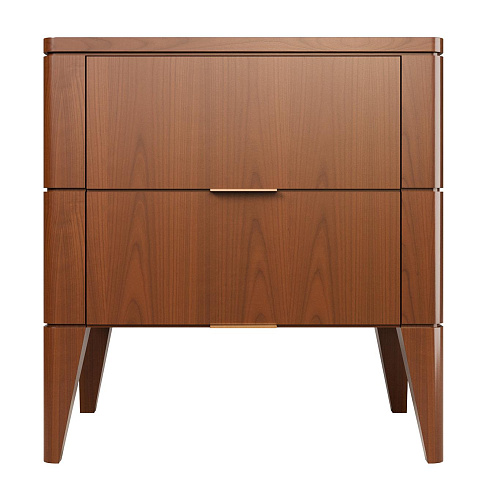
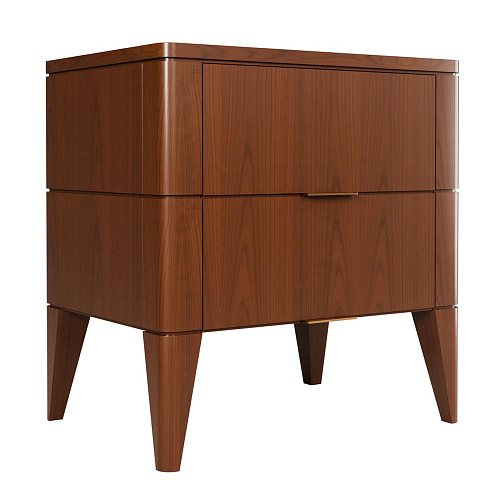
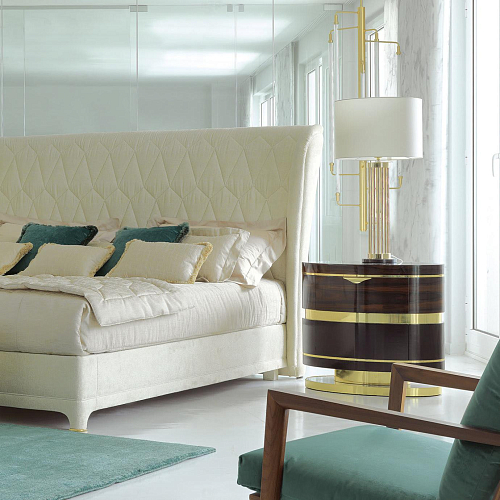
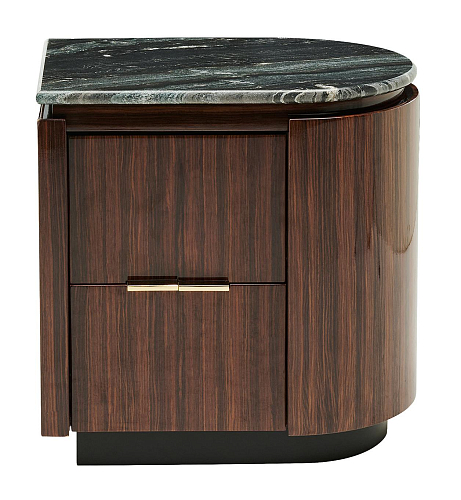
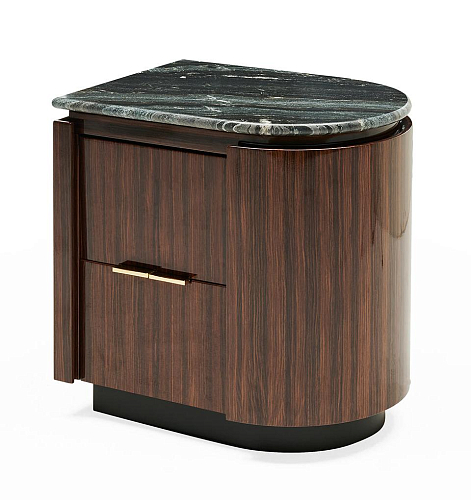
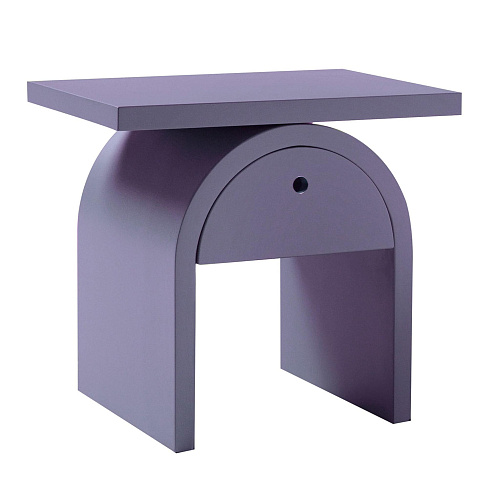
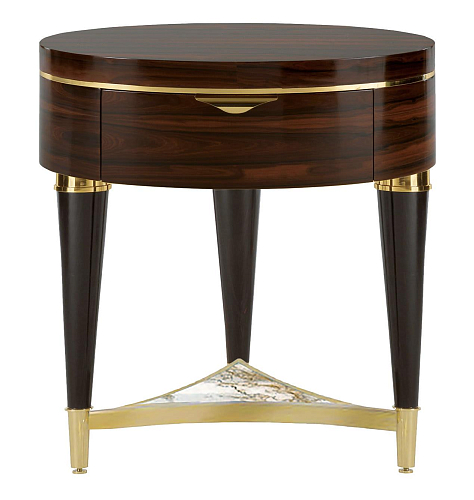
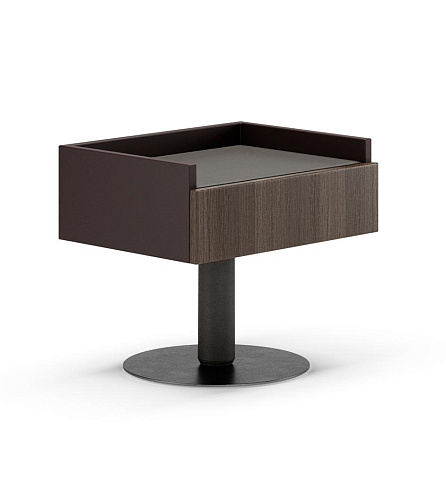
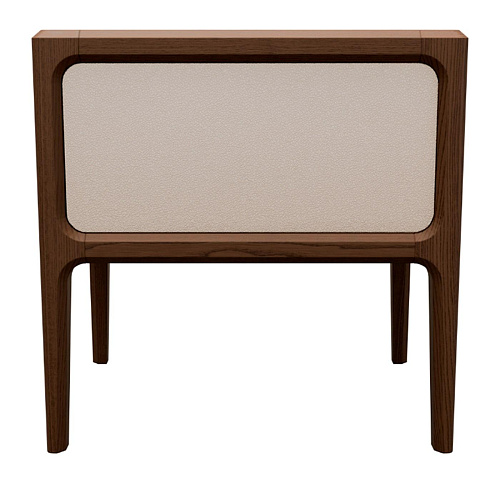
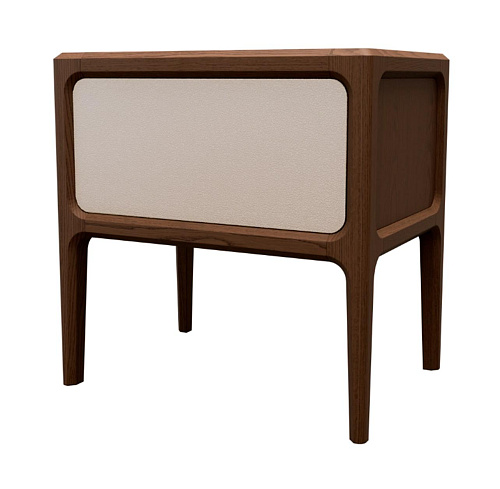
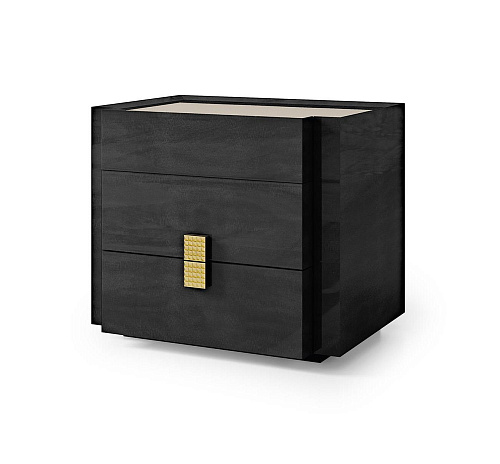
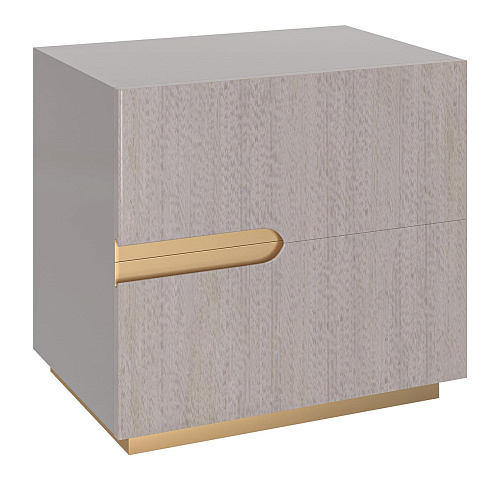
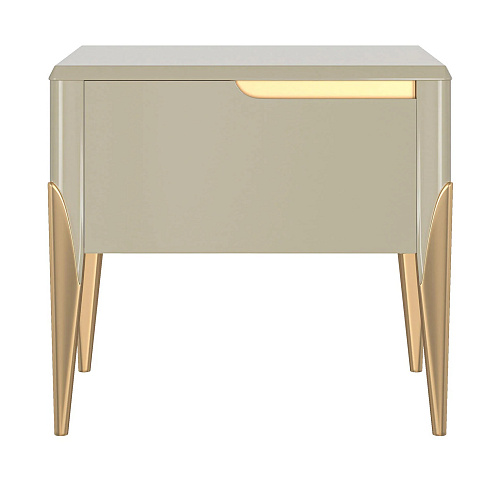
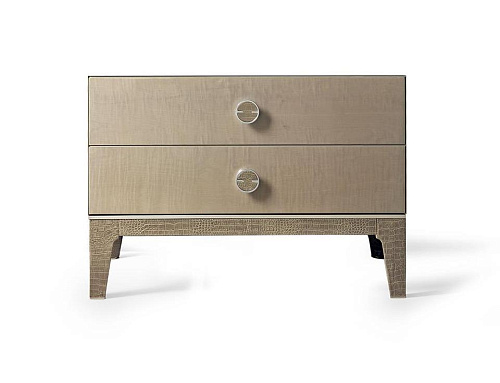
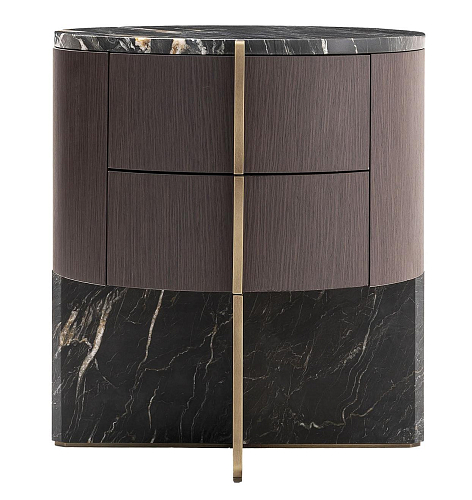
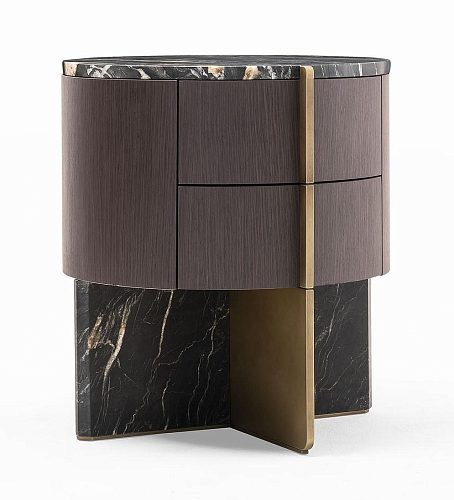
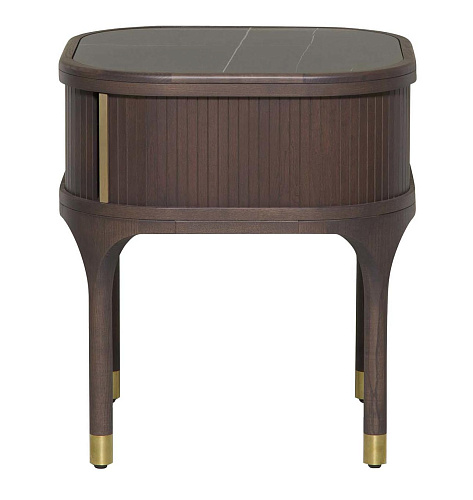
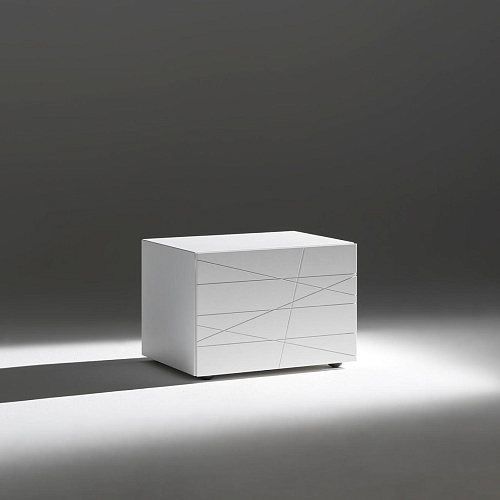
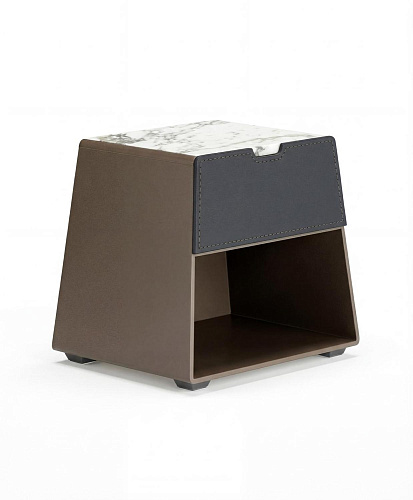
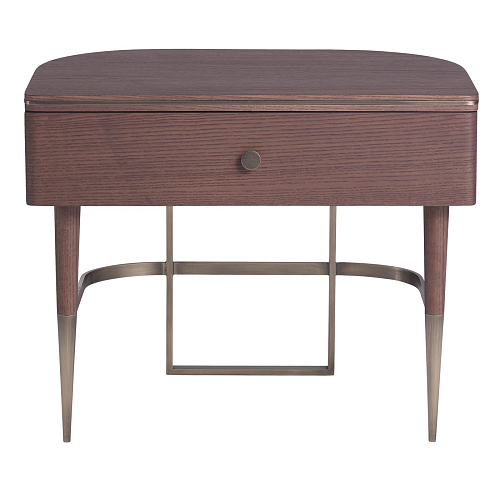
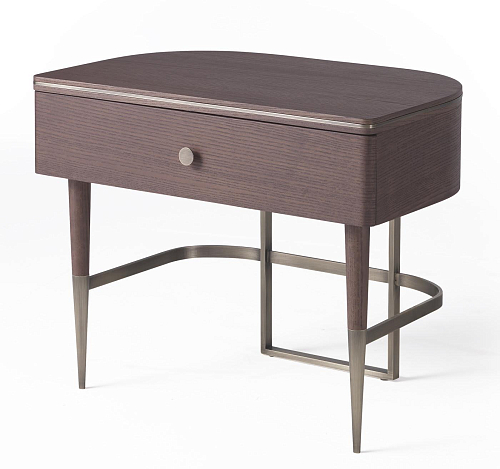
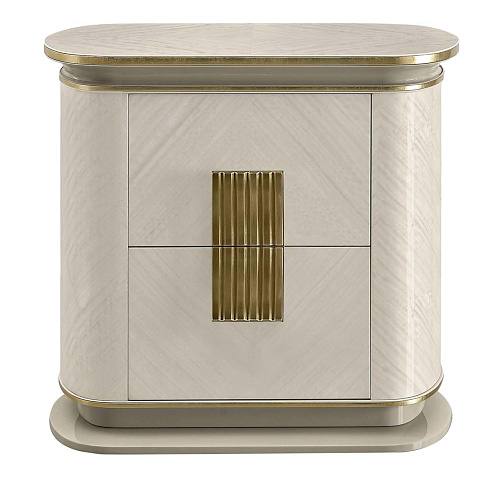
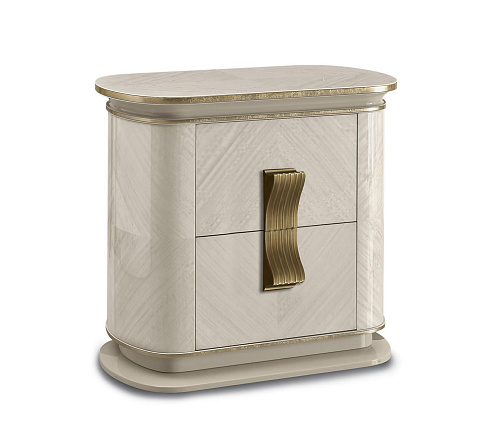
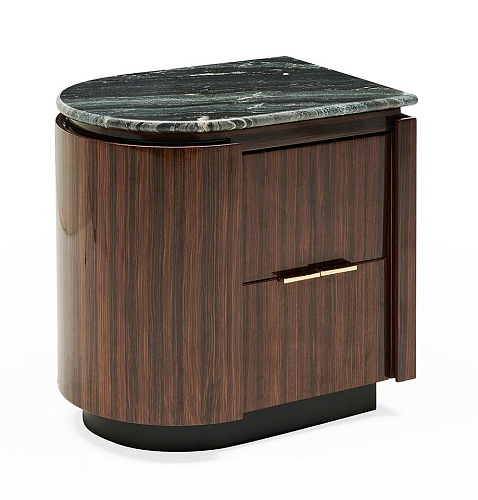
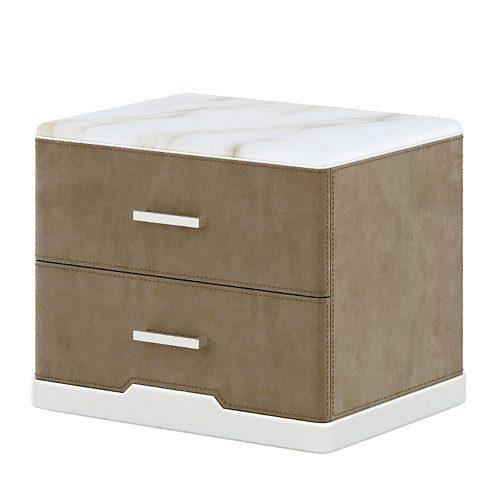
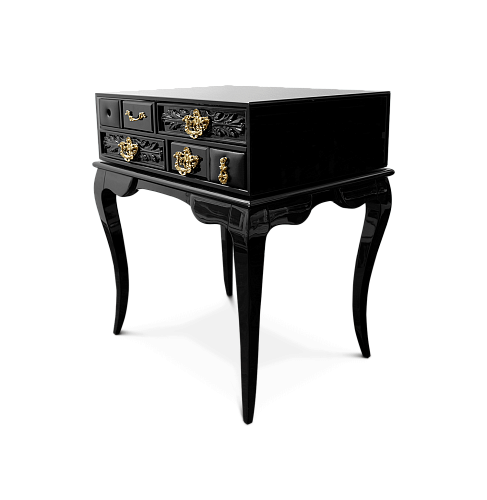
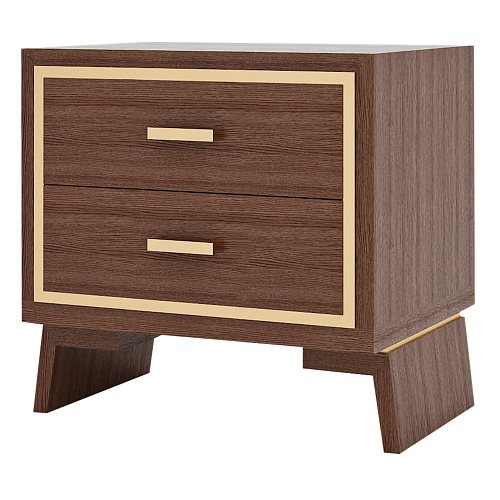
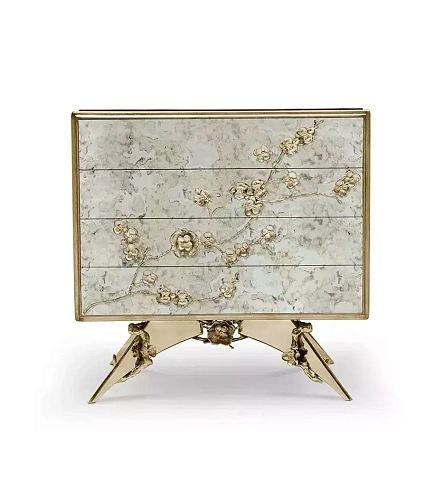
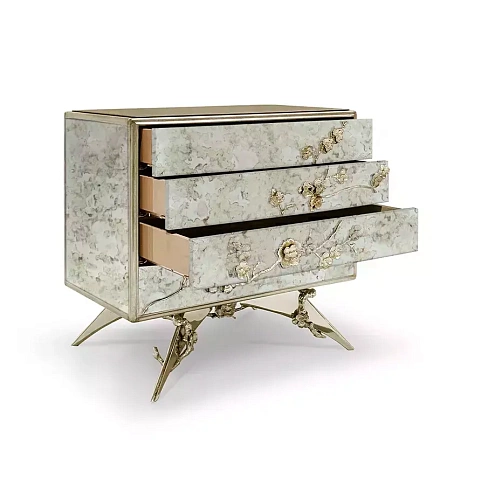
The nightstands presented in this collection are drawn from manufacturers who treat the bedside table as a primary object rather than an afterthought. Every drawer front, every tapered leg, every brass pull has been considered within a complete design language — which is why these pieces integrate naturally with high-end beds and architectural interiors without competing for attention or looking out of place.
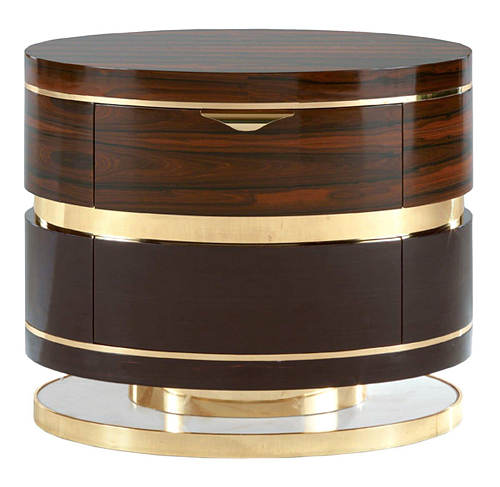
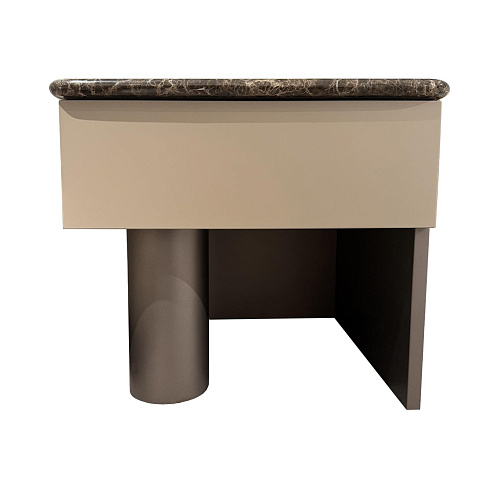
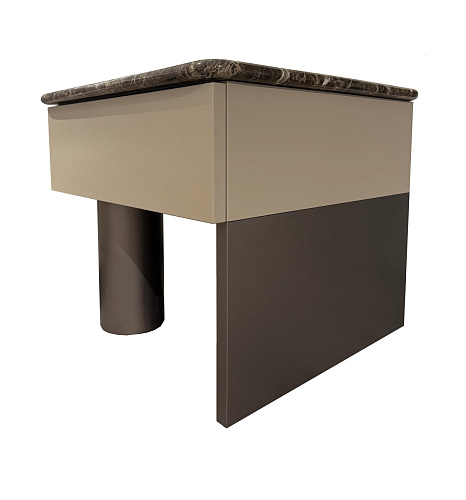
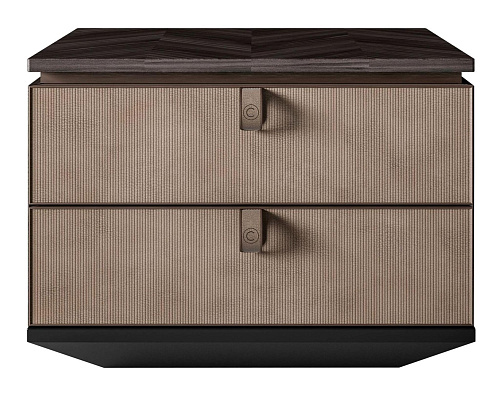
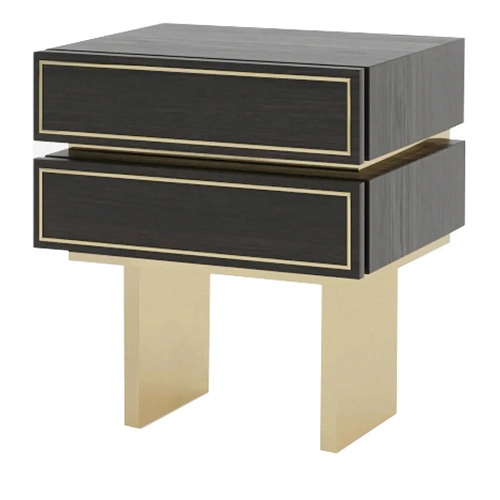
What separates designer bedside tables from ordinary ones is the relationship between material and structure. Premium production favors solid wood, lacquered MDF with furniture-grade finishes, hand-selected veneers, and metal bases that are welded rather than assembled with visible hardware. The result is a surface that reads as unified — dense, intentional, and finished on every face, not just the ones facing the room.
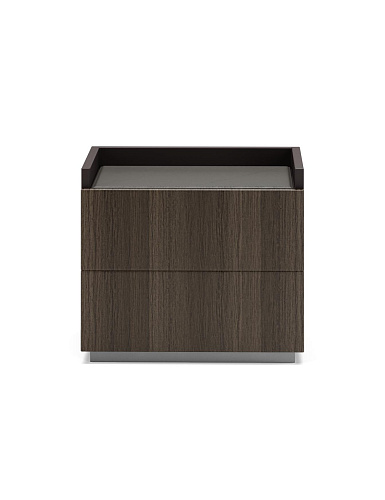
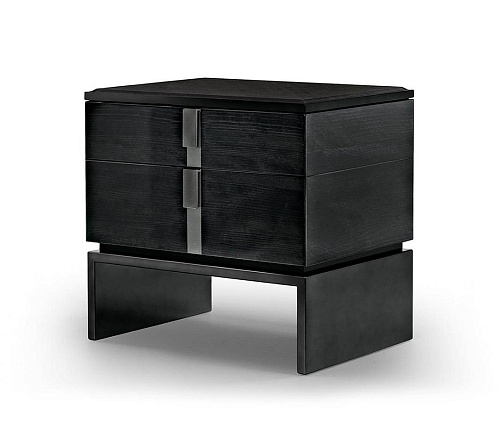
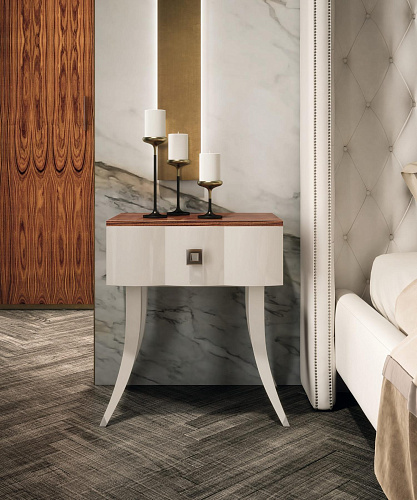
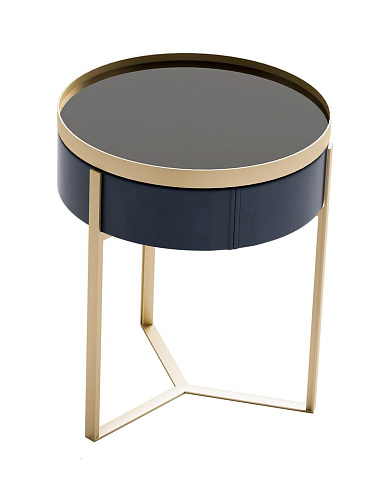
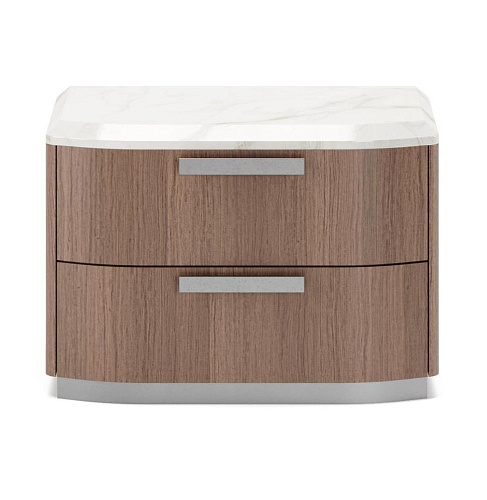
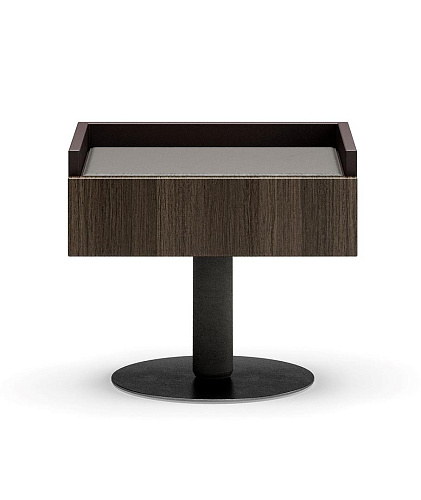
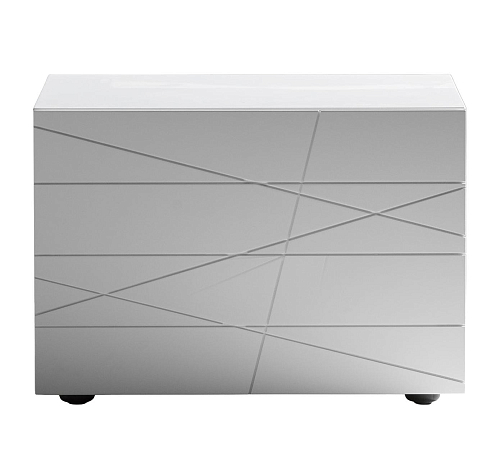
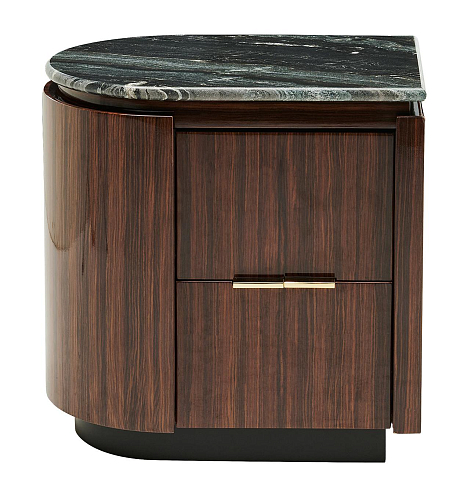
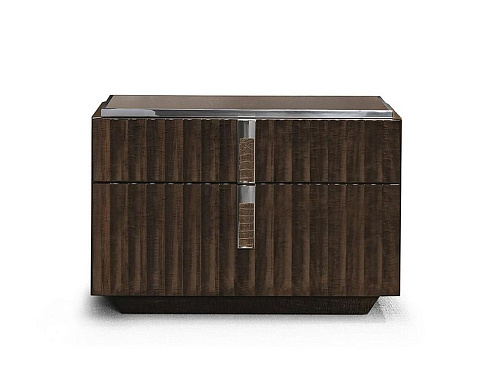
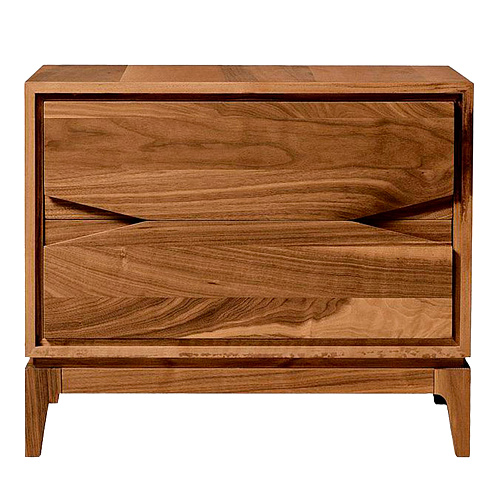
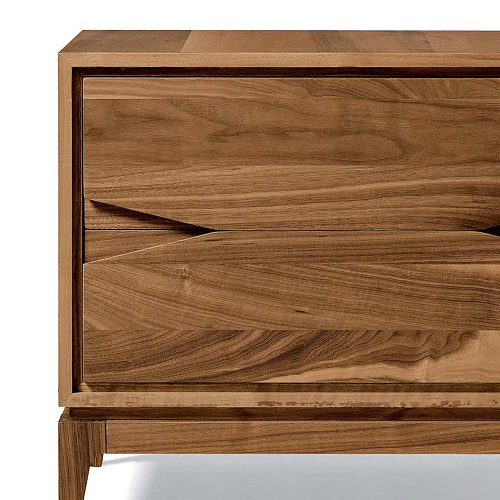
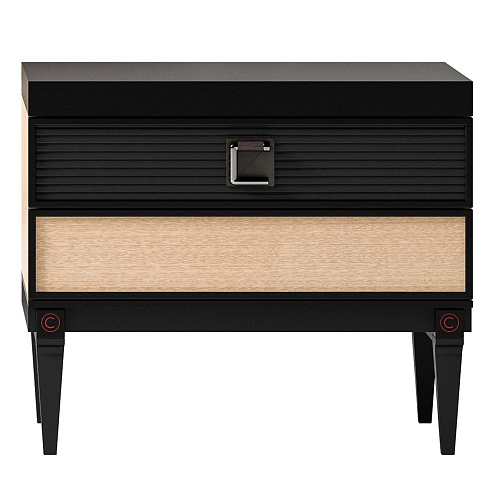
Texture and finish also carry significant weight. Matte lacquer in deep neutrals, oiled oak with open grain, smoked glass paired with blackened steel — these combinations are chosen because they age well and interact gracefully with natural and artificial light. A nightstand in brushed walnut looks different at noon than it does by lamp in the evening, and the best designs are built to reward that range rather than flatten it.
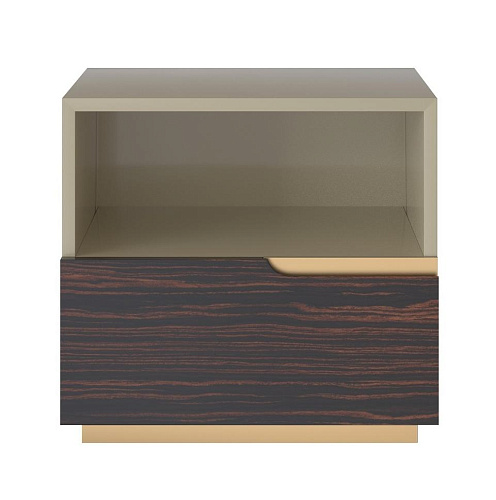
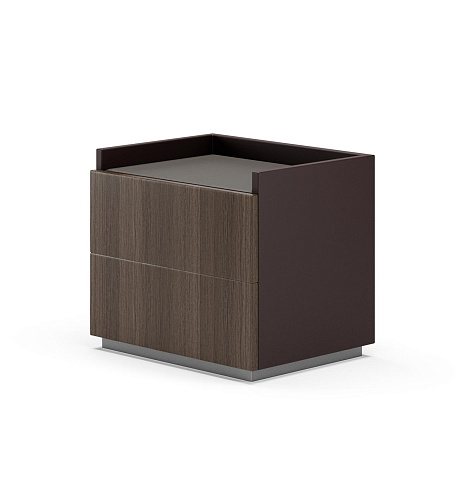
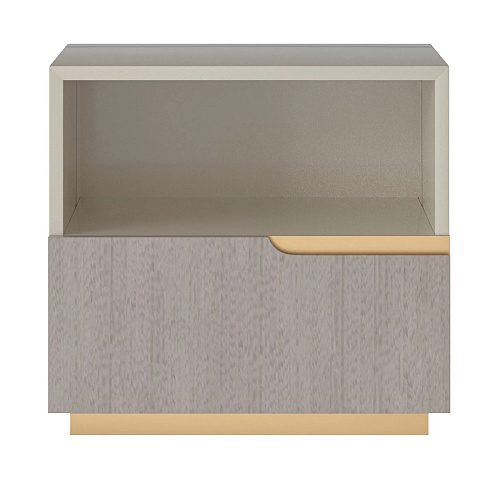
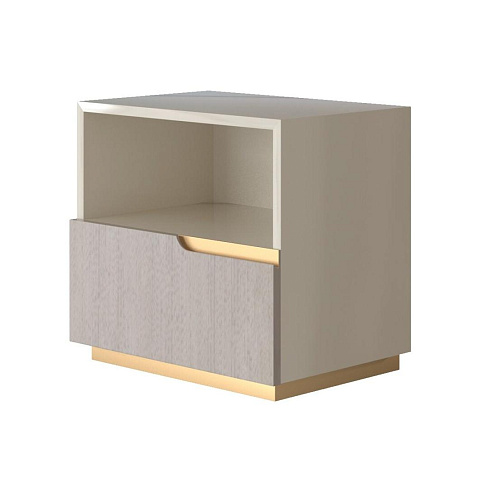
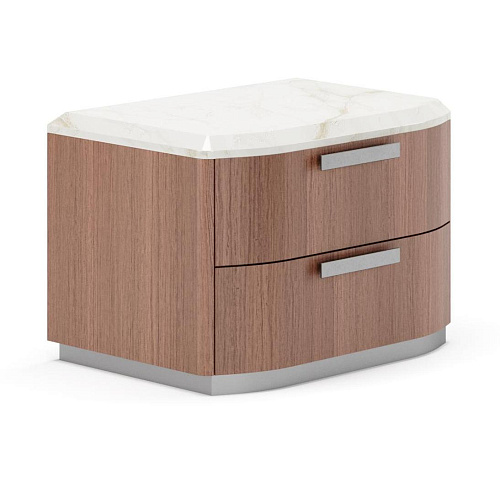
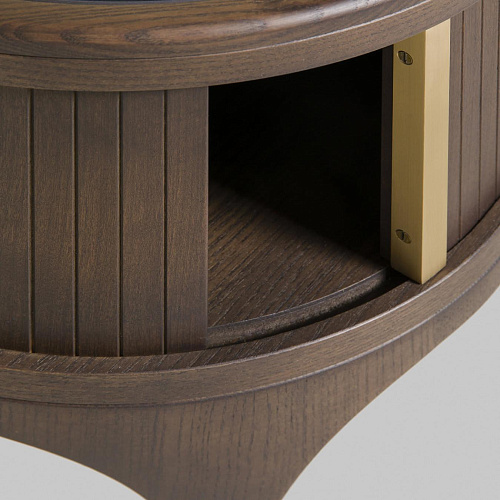
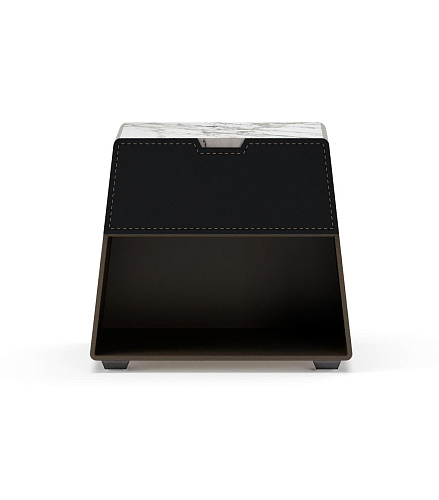
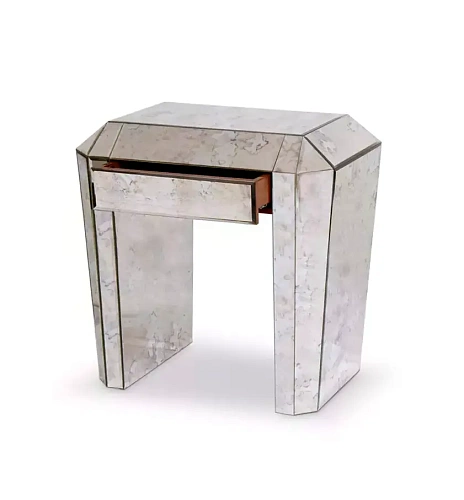
Storage configurations in this category reflect real bedside habits without resorting to utilitarian shapes. Shallow drawers with soft-close mechanisms, open niches sized for reading materials, integrated shelves at lamp height — the functional logic is embedded in the form, not bolted onto it.
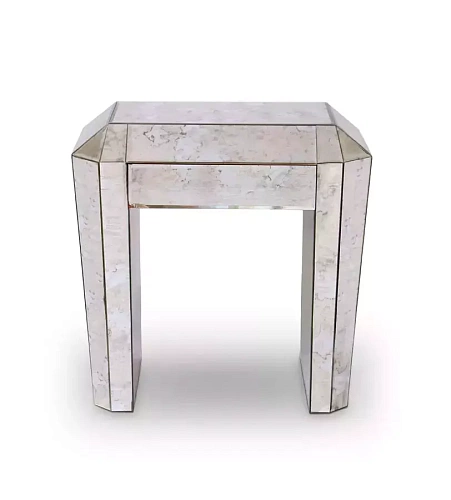
In contemporary bedroom design, nightstands are increasingly treated as standalone sculptural pieces rather than paired accessories. Asymmetric arrangements — different heights, different forms on each side of the bed — have become a deliberate compositional choice in rooms designed by architects and interior professionals. This approach requires each bedside table to hold its own as an independent object, which only works when the quality of construction is consistent across the collection.
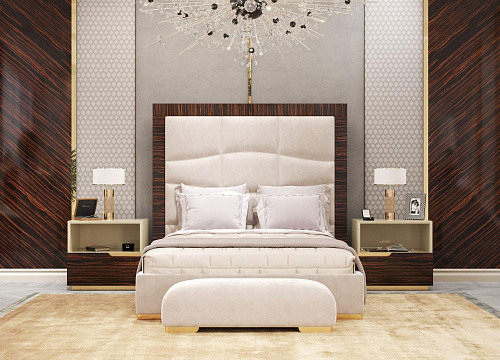
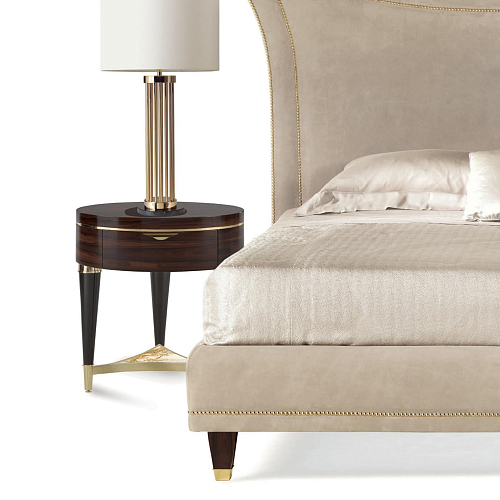
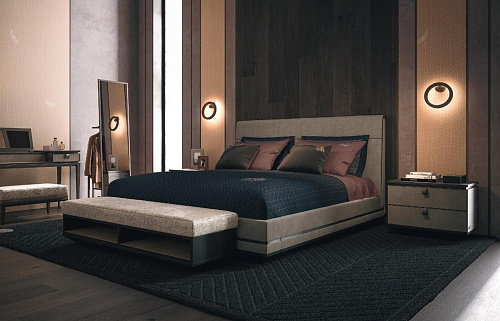
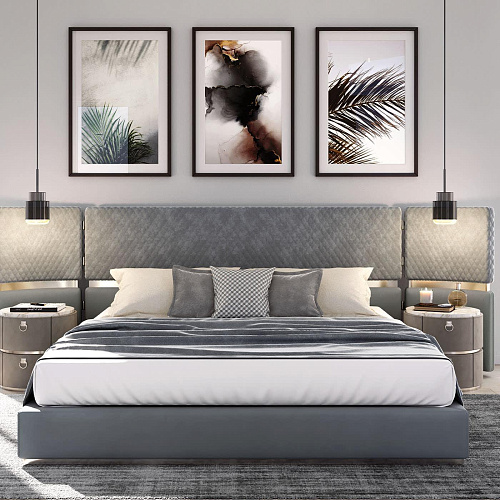
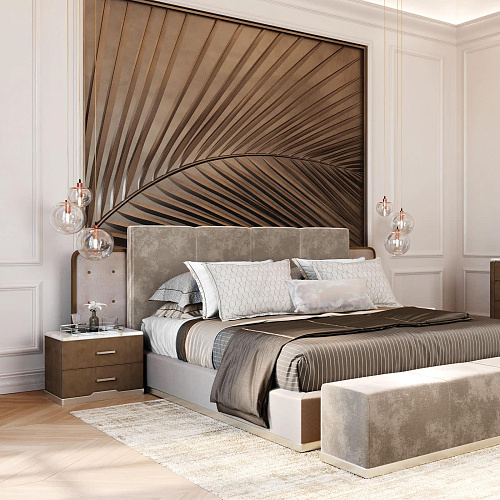
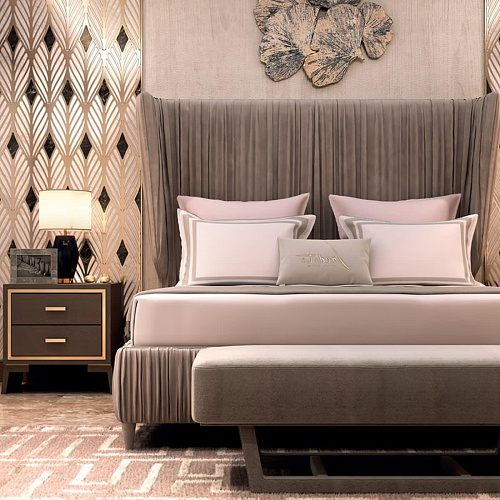
The pieces here support that kind of flexibility. Whether placed symmetrically in a classically composed room or used individually as a single accent beside an upholstered headboard, they carry enough visual integrity to function in either context. The proportions are drawn to work with standard bed heights while leaving room for lamps, objects, and the small rituals of a private space.
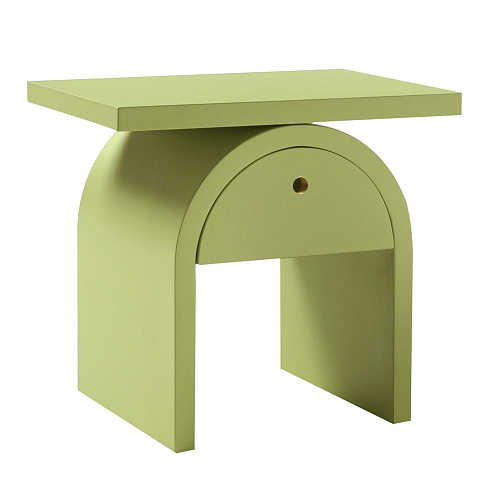
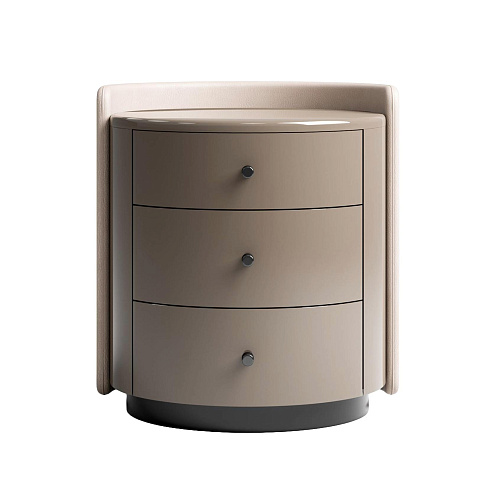
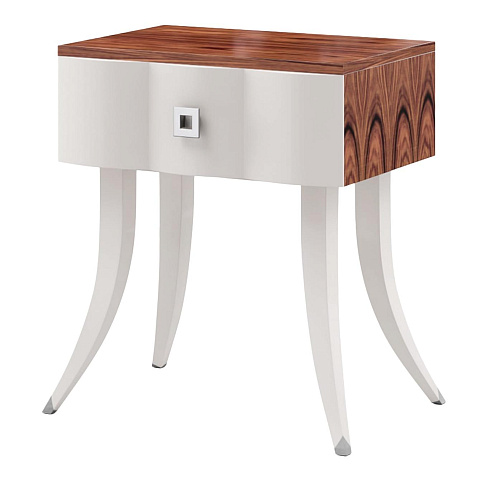
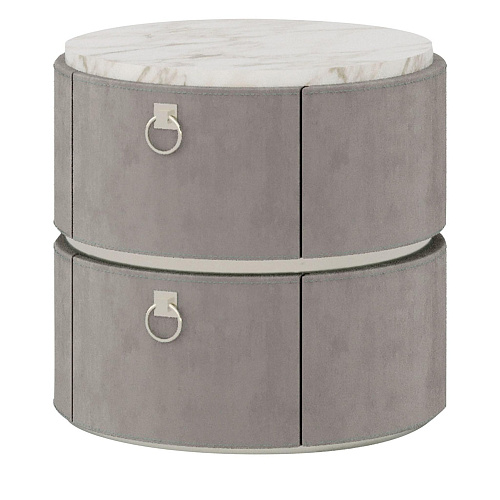
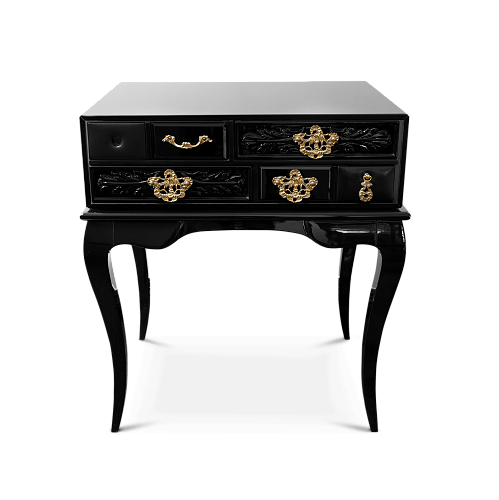
The range of designer bedside tables in this section spans multiple design movements — from clean-lined Scandinavian forms with pale wood and minimal hardware to more sculptural European pieces with curved fronts, contrast inlays, and refined metalwork. There are low-profile options suited to platform beds and taller configurations for higher frames. Several pieces offer modular or customizable finishes, allowing the table to be specified precisely for a project rather than adapted after the fact.
For those furnishing a bedroom from the ground up or replacing a piece that no longer fits the room's direction, this selection offers a level of quality that holds over time — not just in durability, but in relevance. These are not trend-driven objects. They are made to belong.