Shopping Basket
You have no items in your shopping basket.


Wishlist
Your wishlist is currently empty
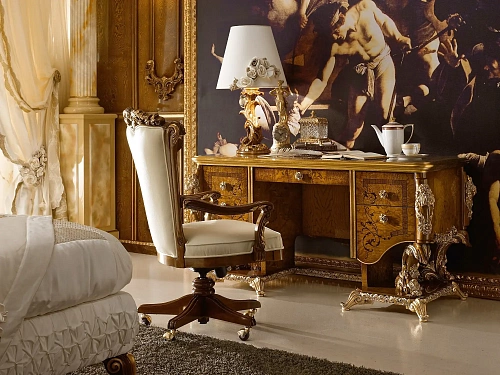
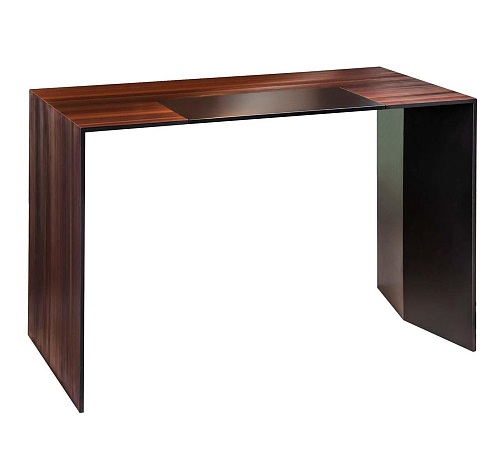
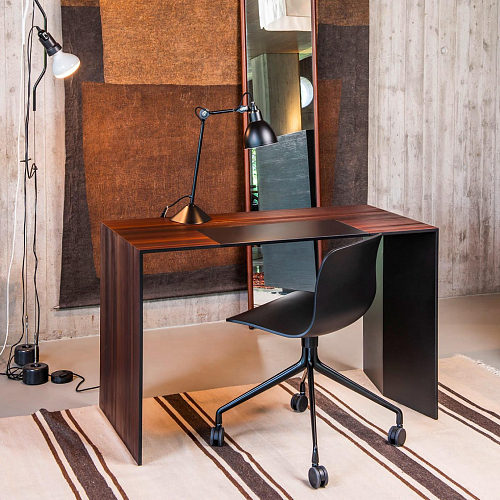
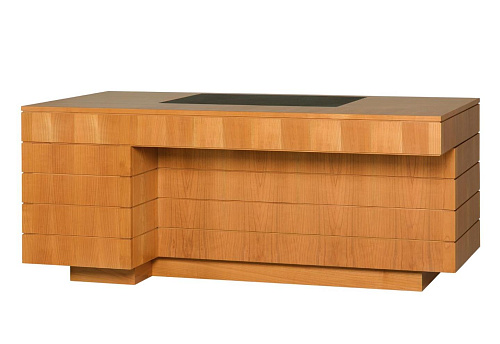
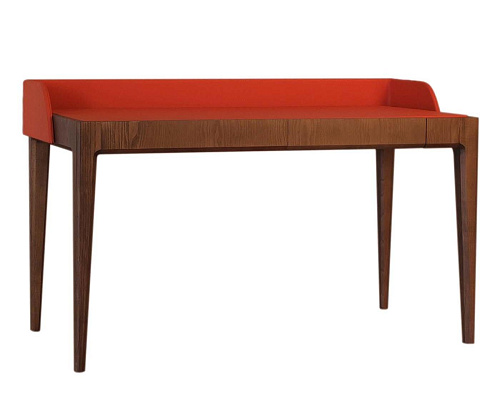
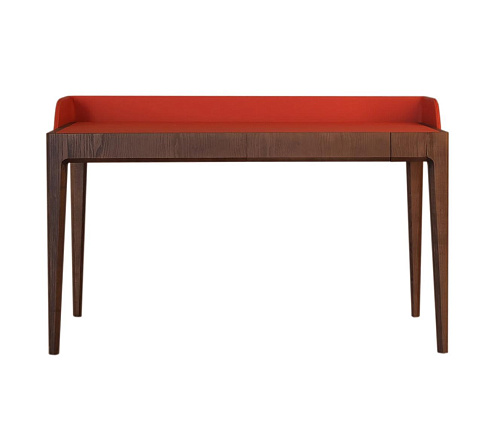
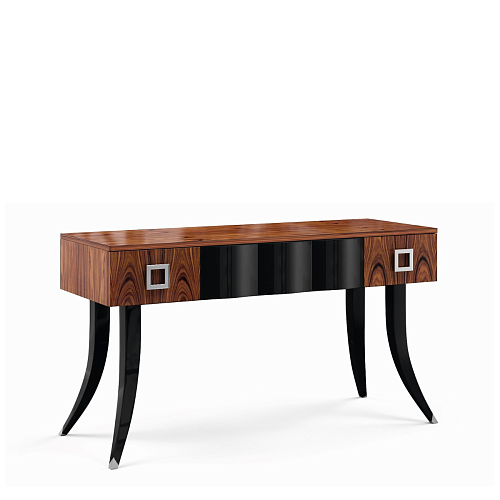
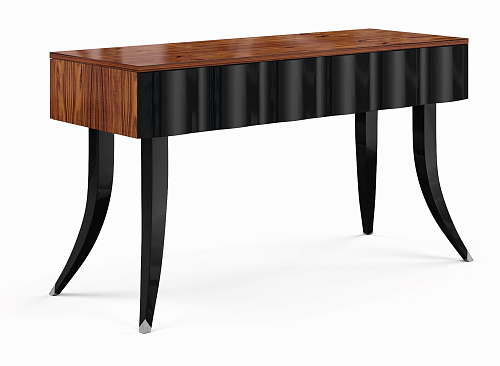
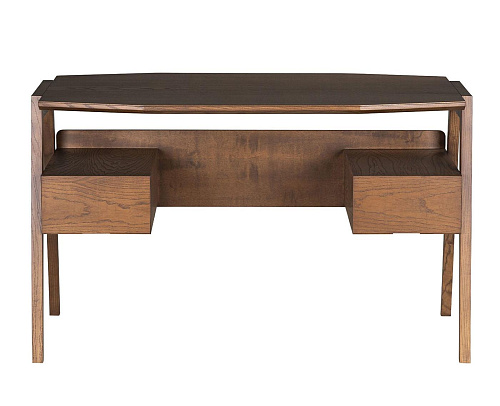
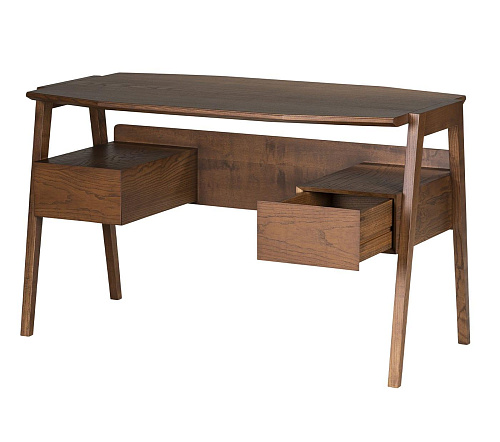
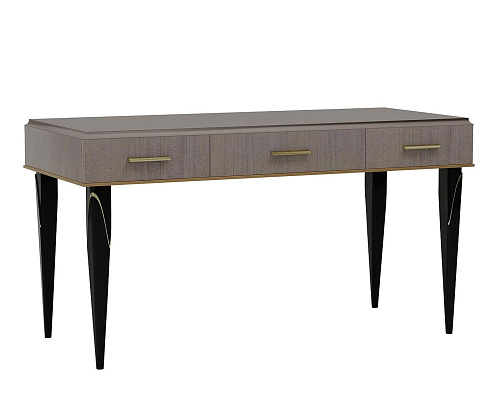
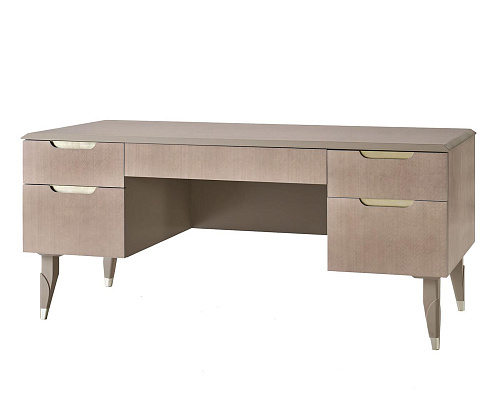
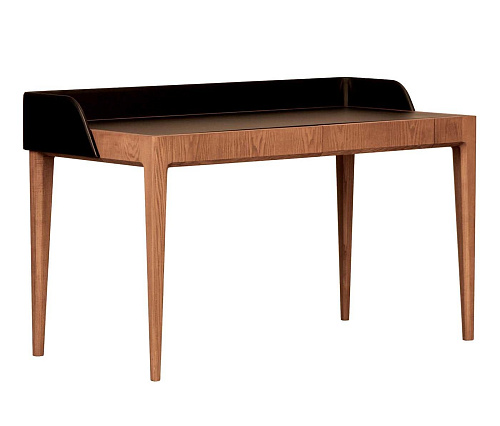
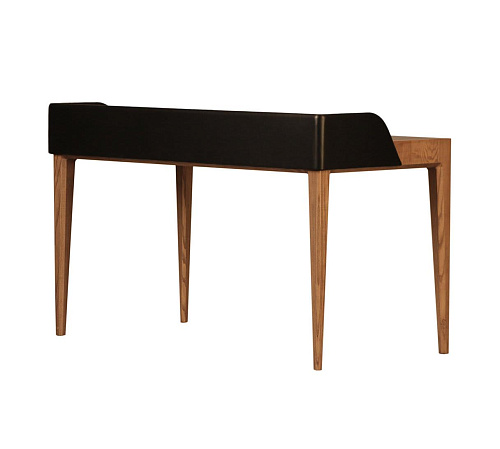
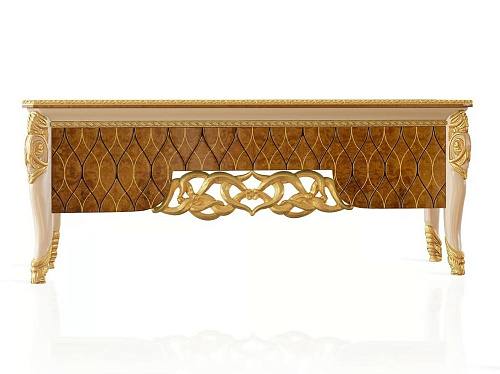
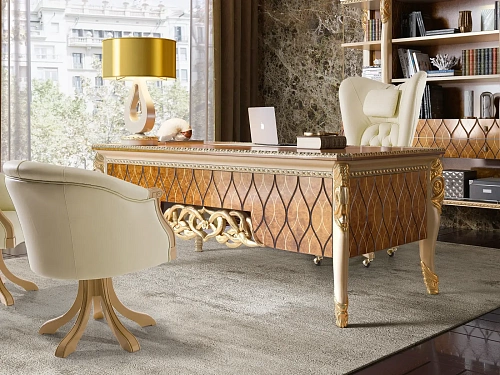
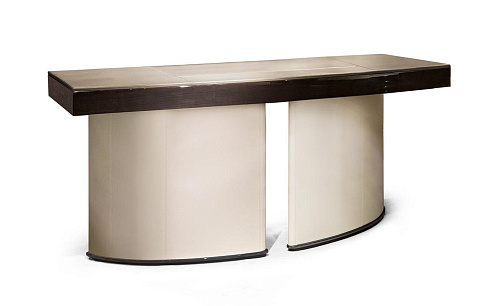
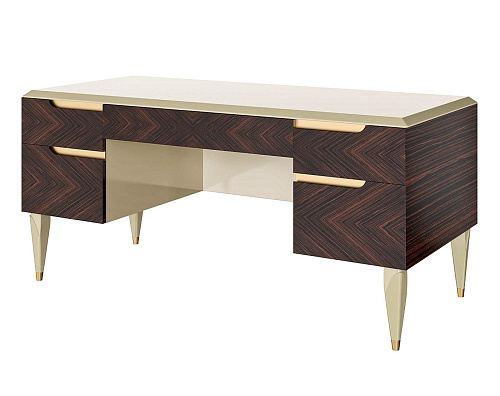
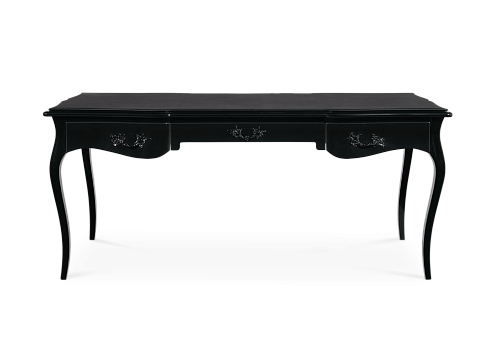
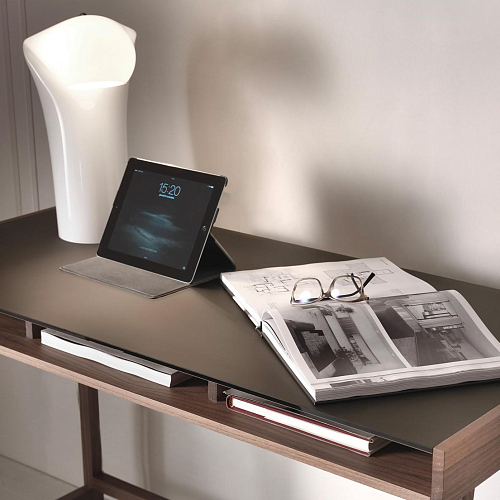
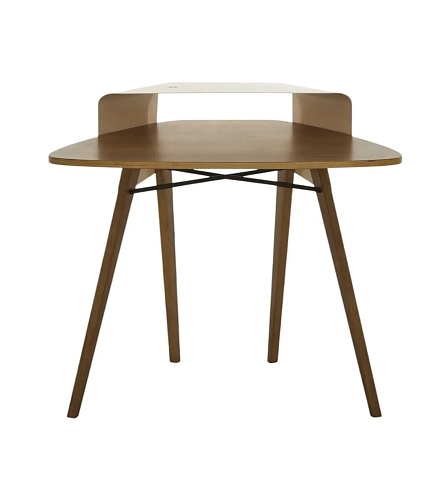
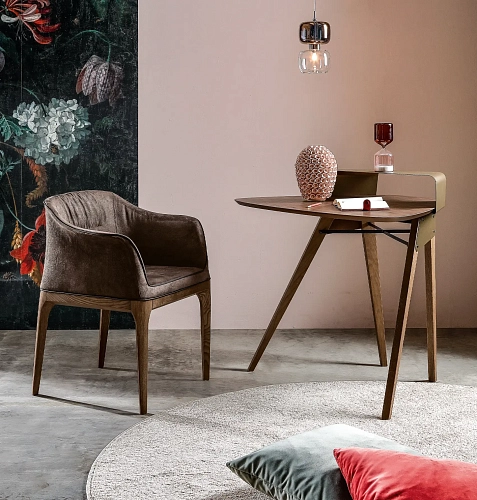
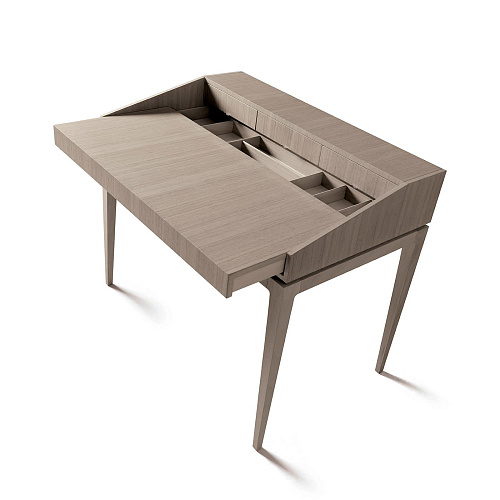
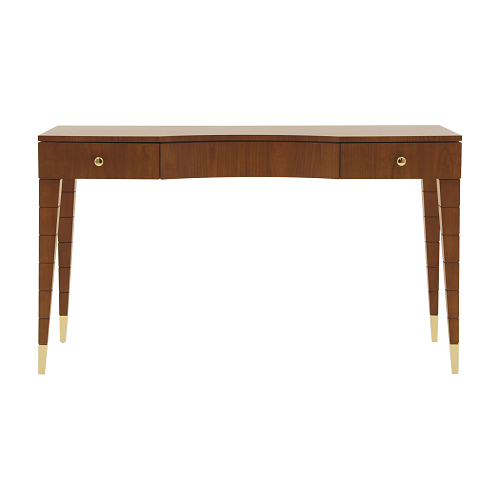
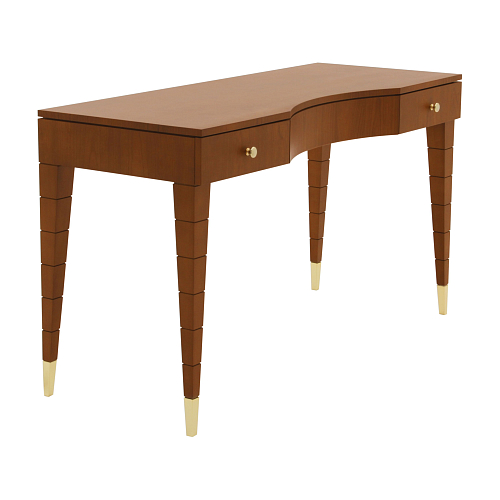
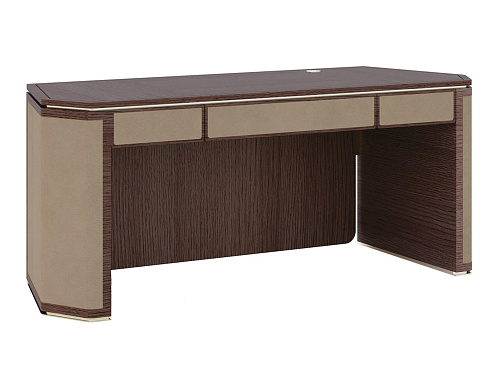
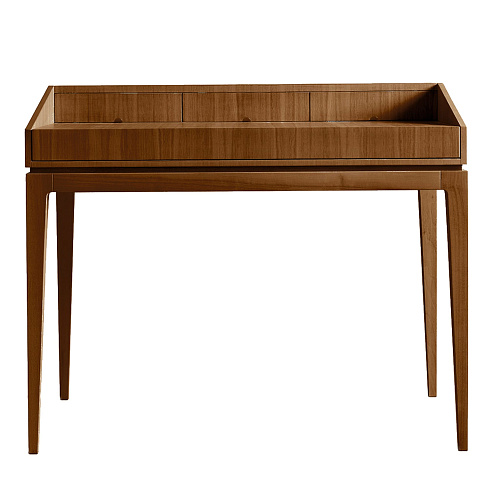
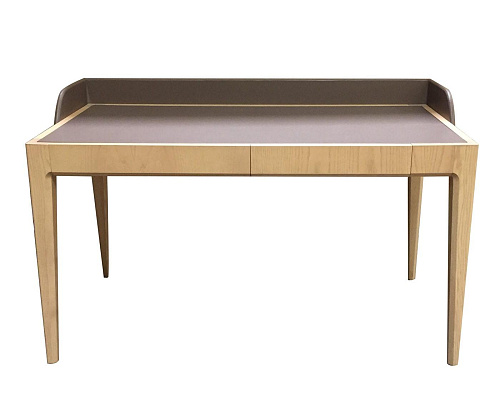
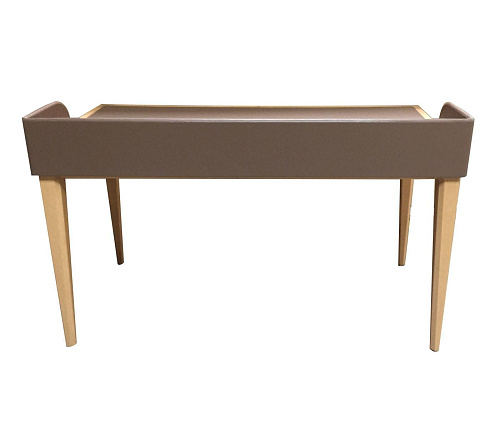
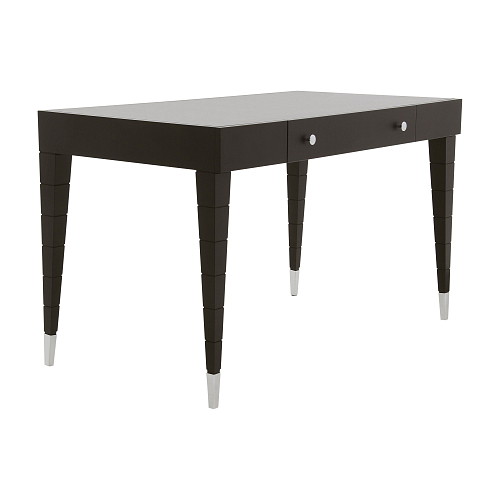
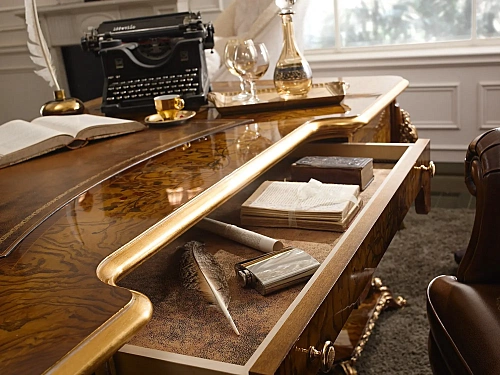
There is a specific quality that distinguishes a writing desk selected with care from one simply chosen for function. It has to do with the way the piece occupies a room: not aggressively, but with quiet authority. The way the grain of the wood reads across a wide surface. The way a tapered leg meets the floor. These are not decorative choices. They are structural ones, and in the best writing desks they are made deliberately, with full understanding of what the piece will be asked to do and where it will live.
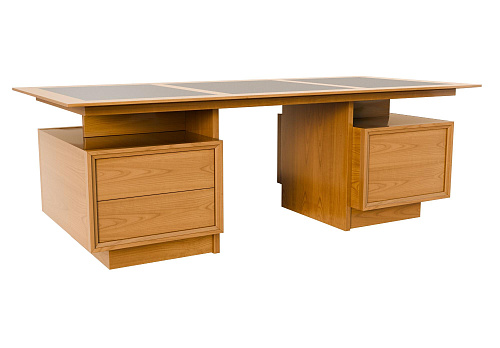
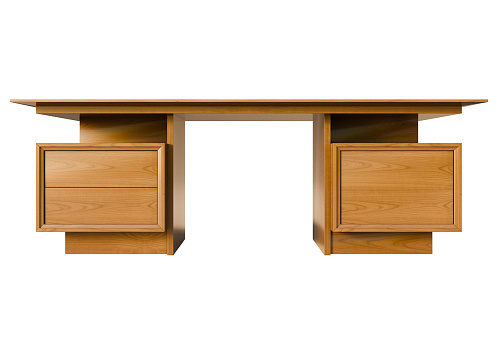
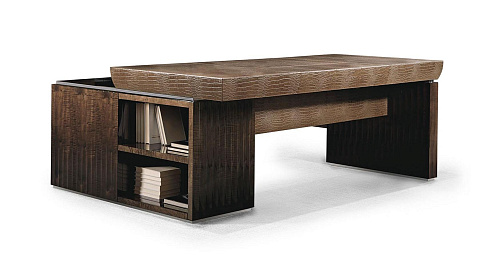
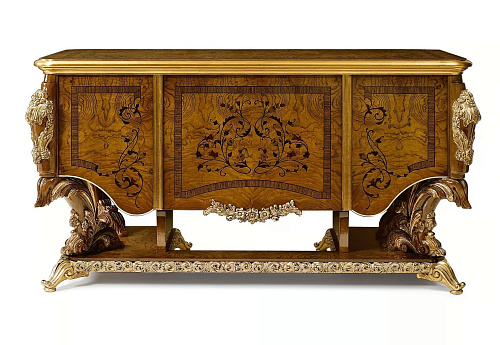
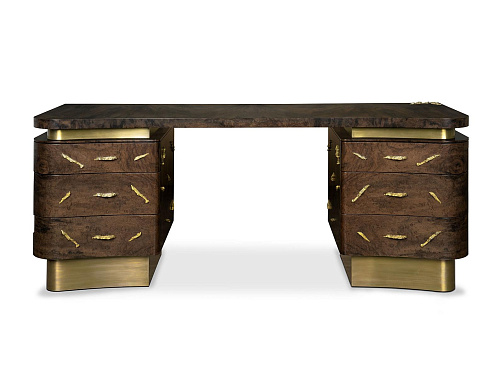
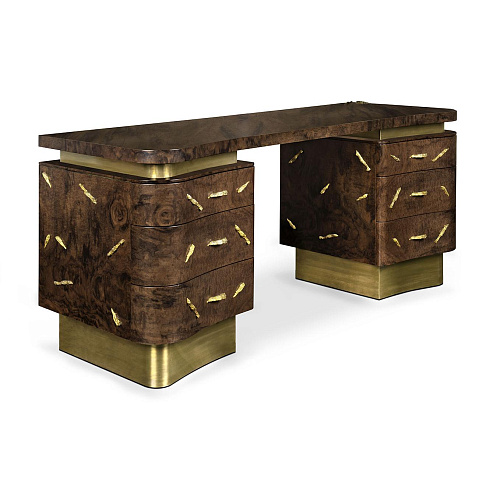
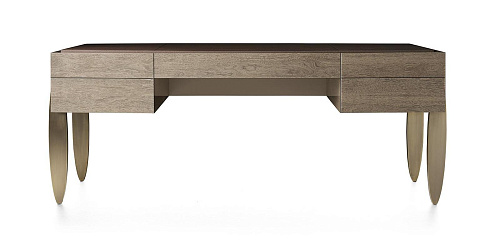
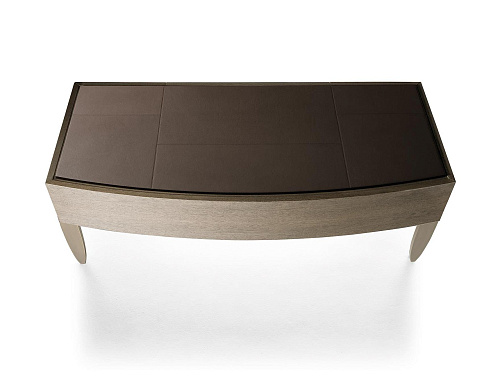
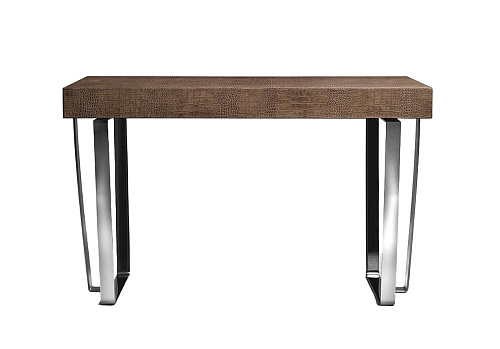
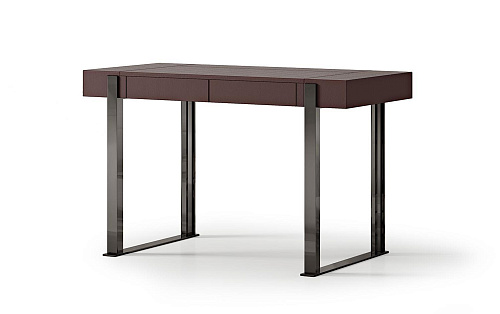
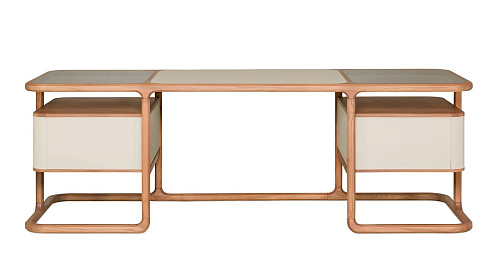
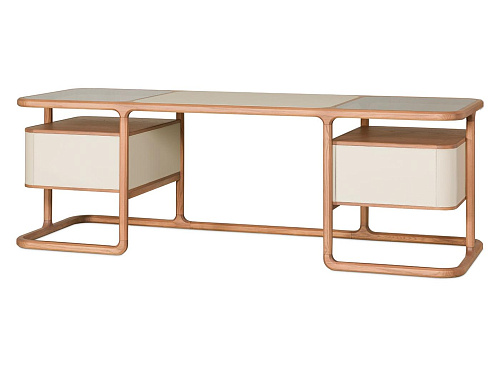
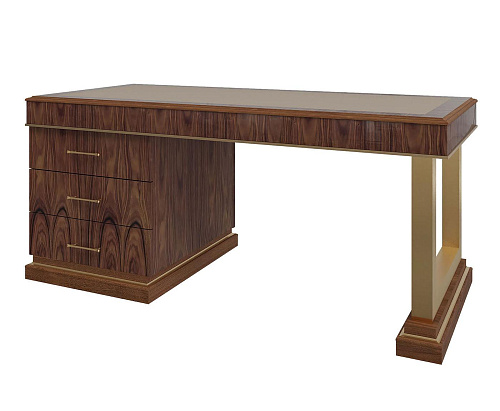
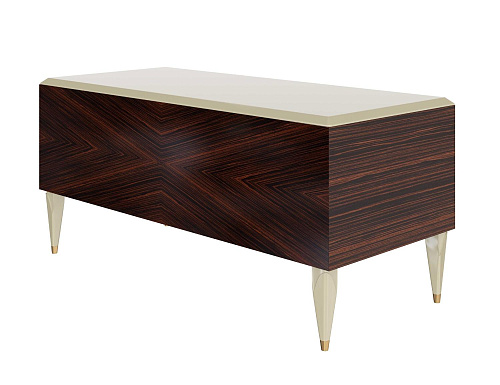
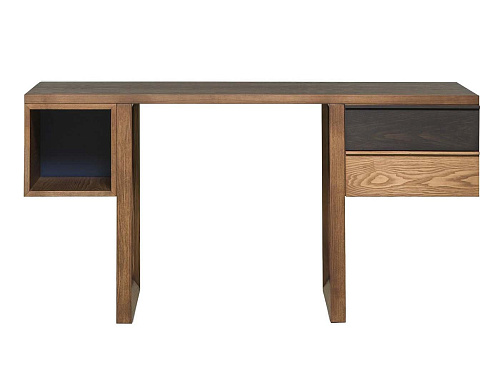
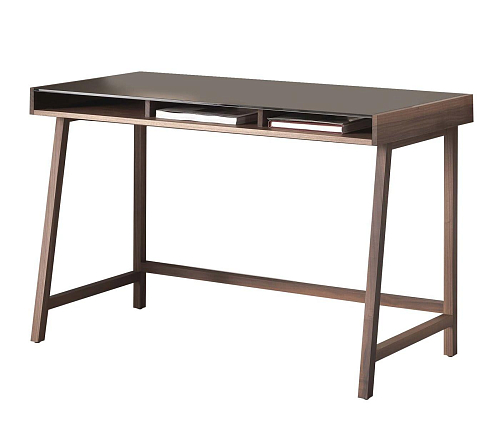
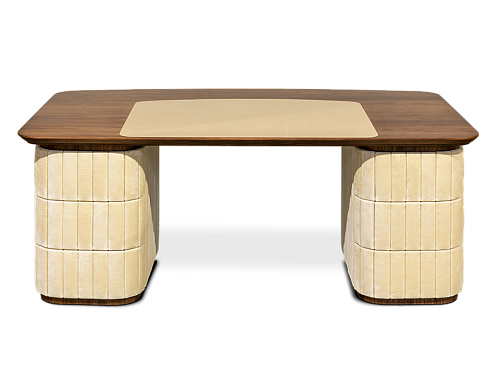
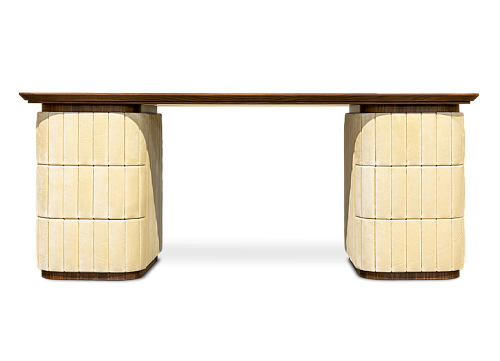
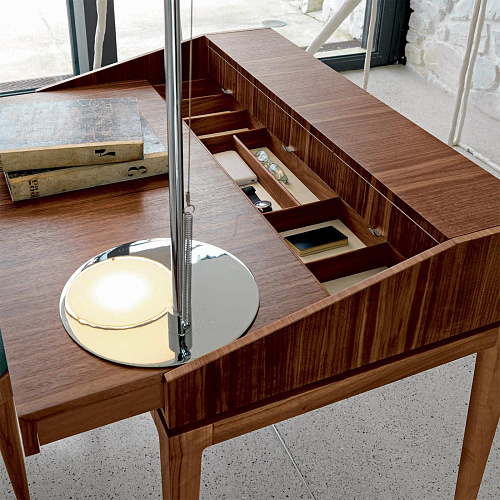
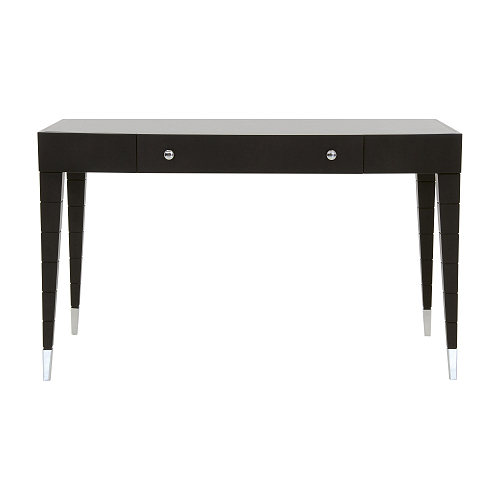
Solid walnut, white oak, ash, and beech appear throughout this collection, each selected for the specific qualities of individual pieces rather than material category alone. Walnut brings depth and warmth; its dark, close grain reads as serious without being heavy. Oak, particularly in wire-brushed finishes, brings texture and structural clarity. Ash offers a graphic grain that rewards close attention. What these materials share is the capacity to age honestly, developing a patina that records use rather than concealing it.
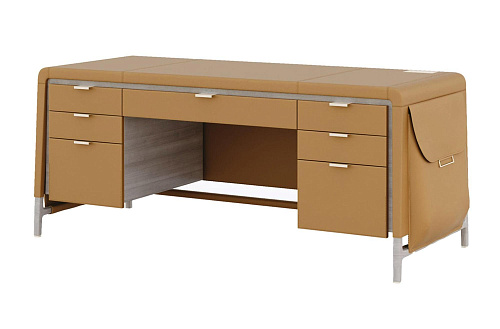
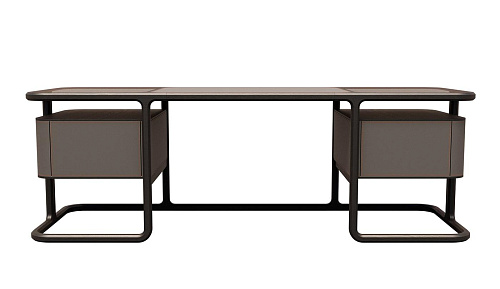
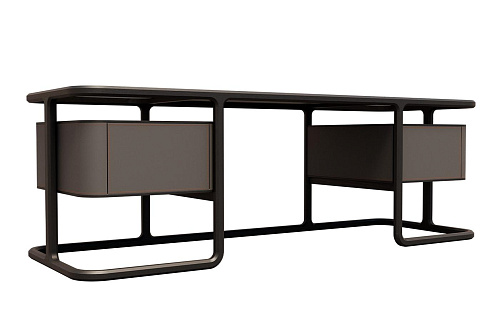
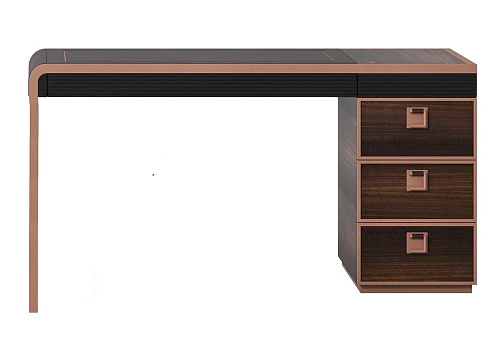
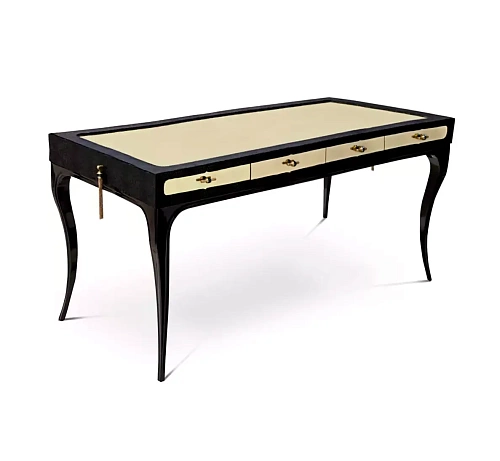
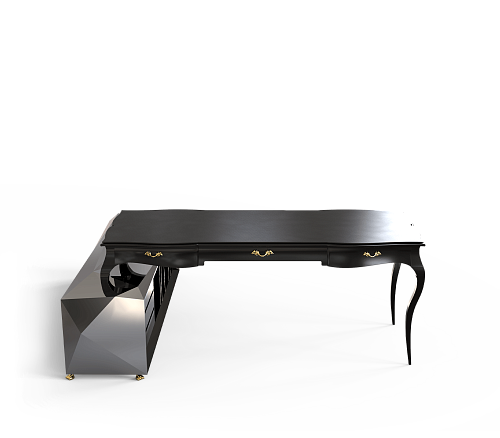
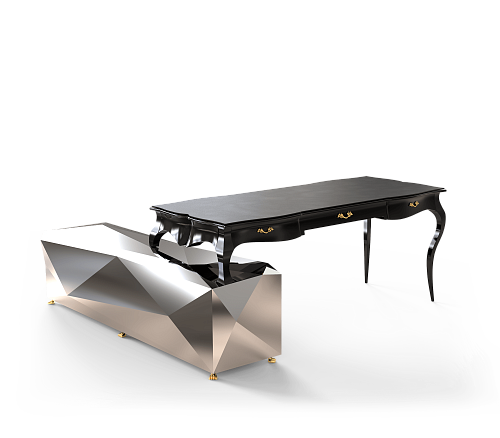
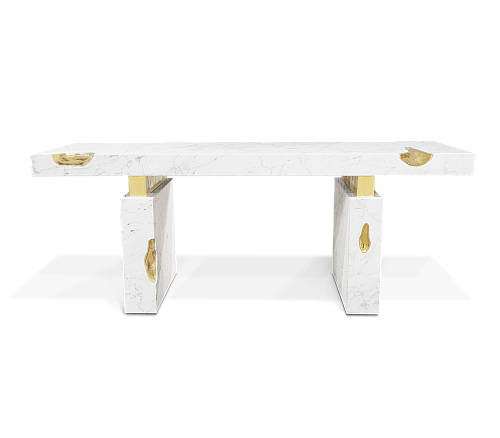
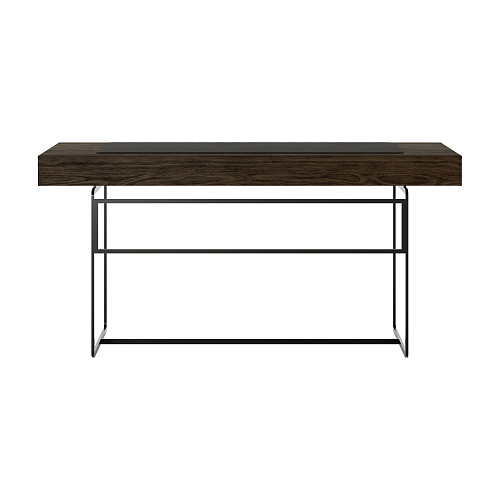
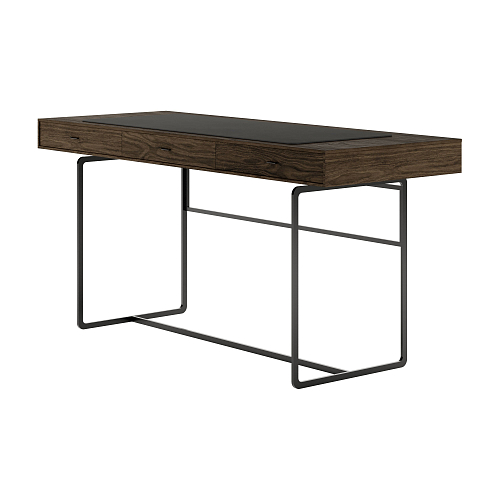
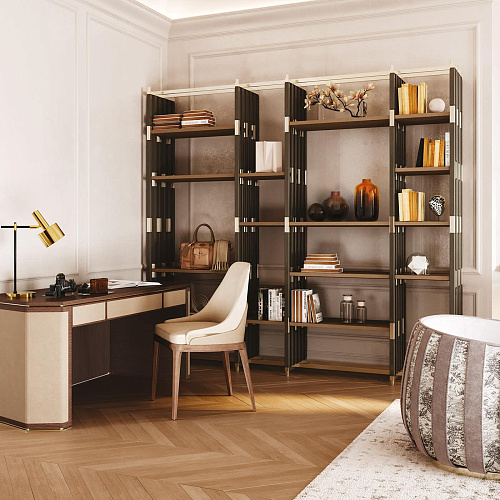
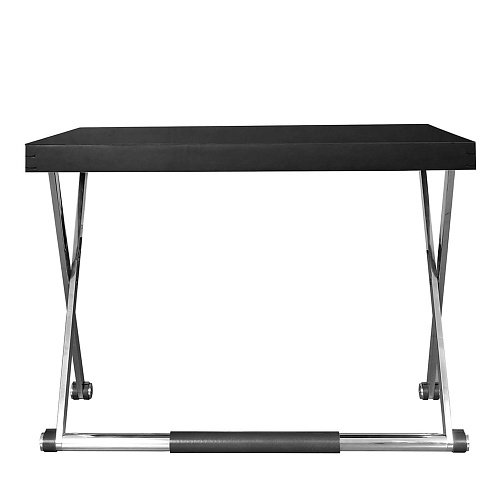
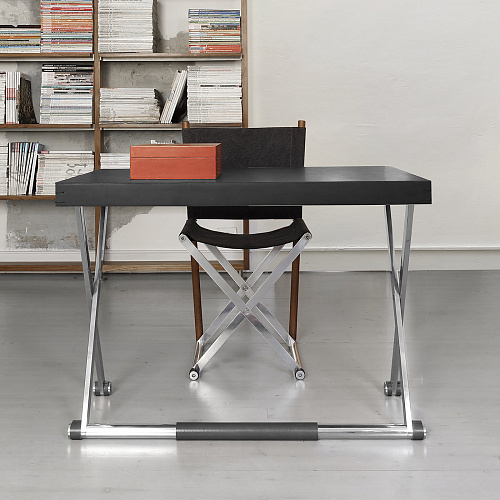
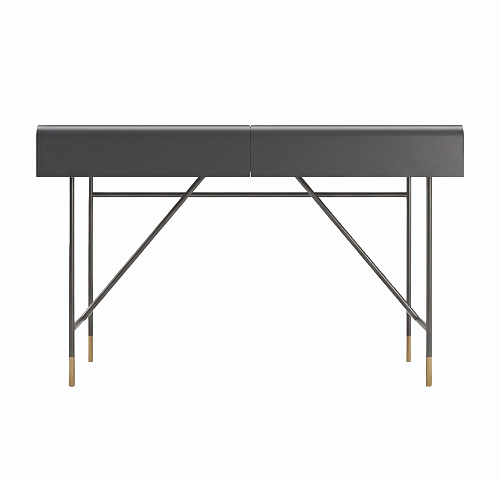
Metal plays a supporting but precise role. Frames and legs in blackened steel, brushed brass, or satin chrome are structural elements whose finish is chosen in direct relationship to the wood above. The best designer desks in this collection are designed with exactly that tension in mind.
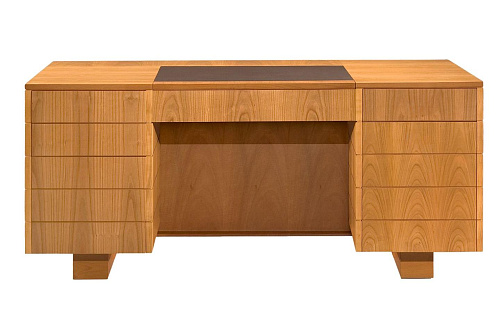
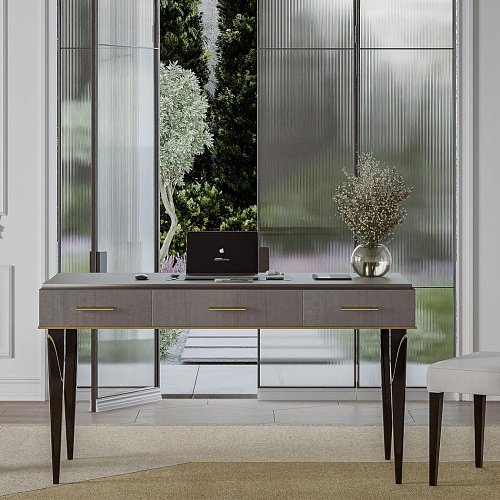
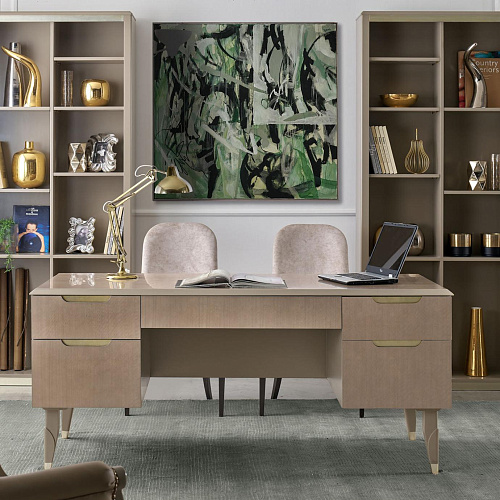
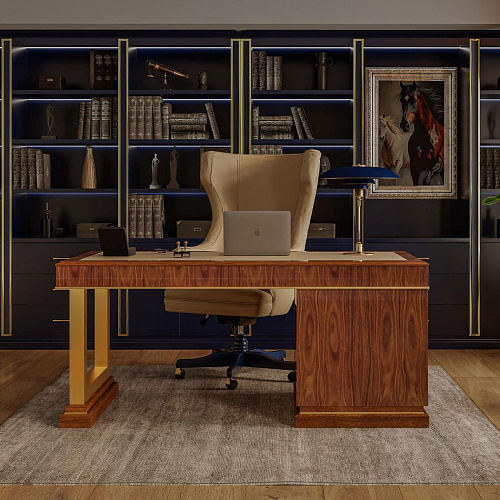
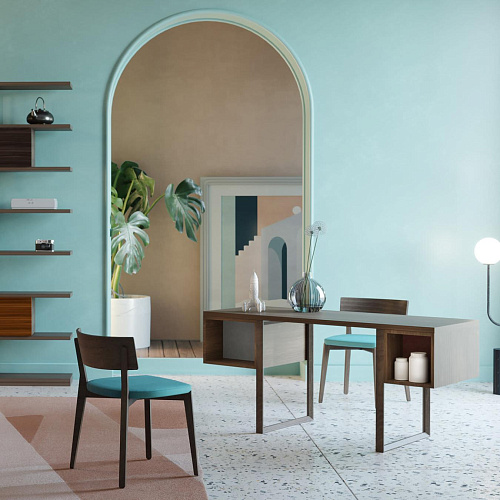
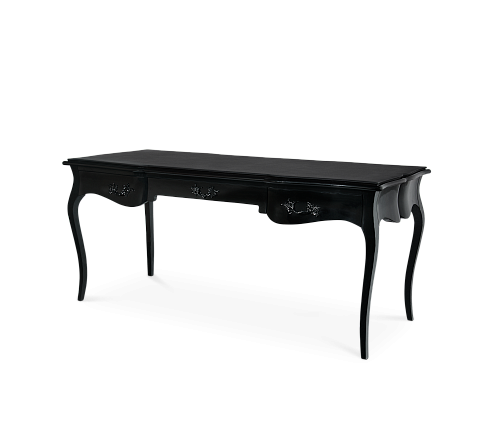
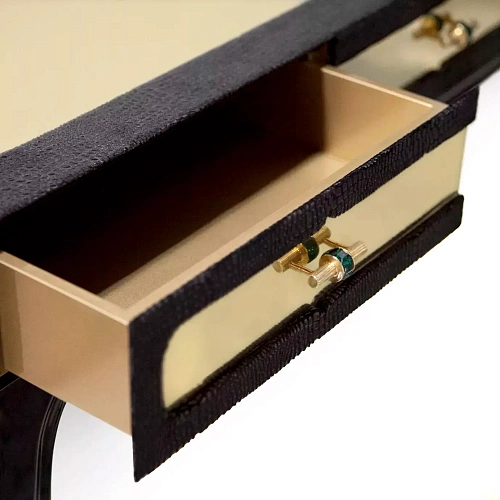
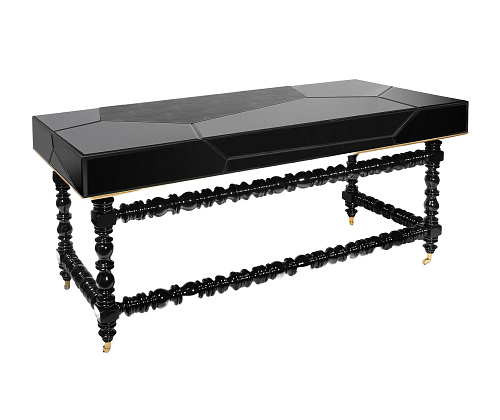
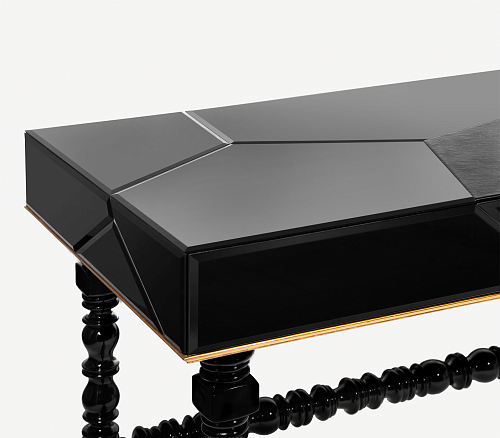
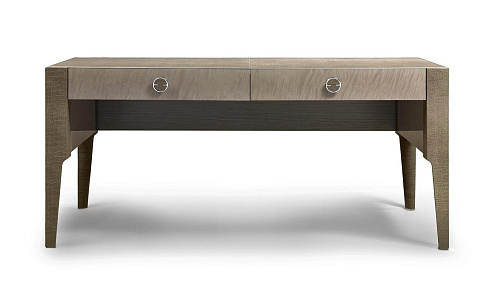
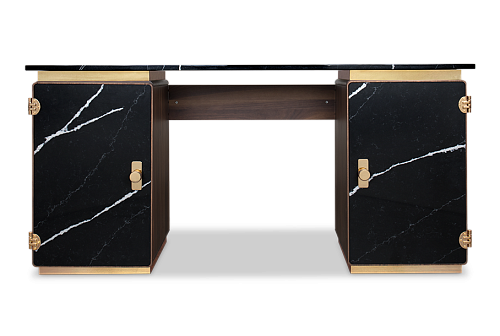
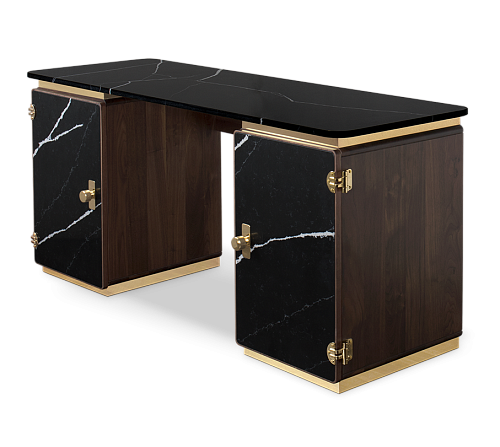
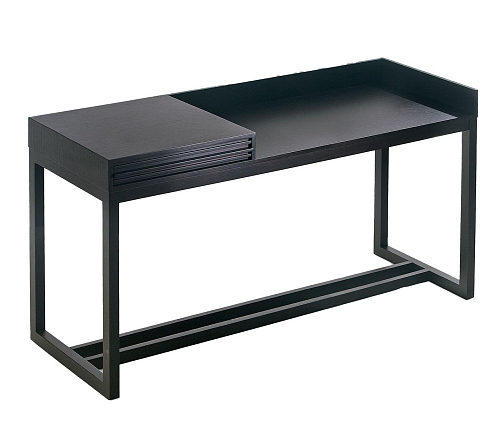
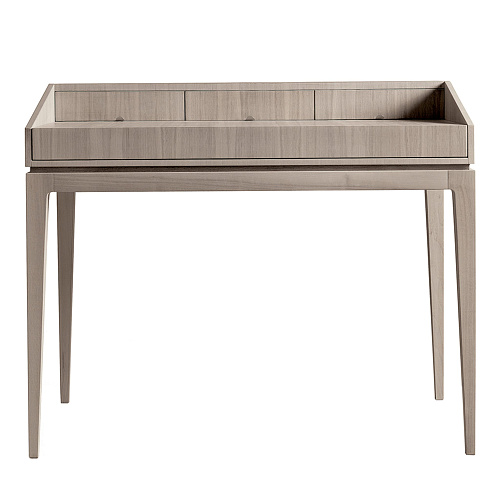
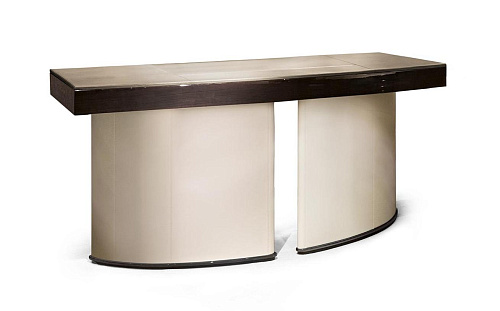
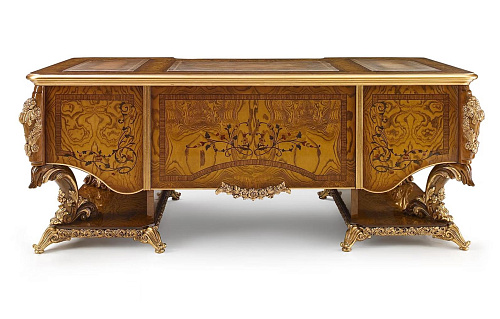
The designer desks in this collection occupy a productive position between furniture and object: pieces that hold their own when not in use. When the laptop is closed and the surface is clear, what remains is the silhouette, the material, the shadow cast by a drawer front. These are the elements that determine whether a writing table contributes to an interior or merely sits within one. The difference between a desk that defines a space and one that simply occupies it is the standard by which every piece here has been selected.