Shopping Basket
You have no items in your shopping basket.


Wishlist
Your wishlist is currently empty
The furniture in a room does not merely occupy it — it establishes the entire register of the space. Proportion, material, silhouette: these decisions determine whether a room feels considered or accidental. That is why serious interior projects begin not with paint swatches or lighting plans, but with the furniture itself. A single well-chosen piece can set the tonal direction for everything that follows.
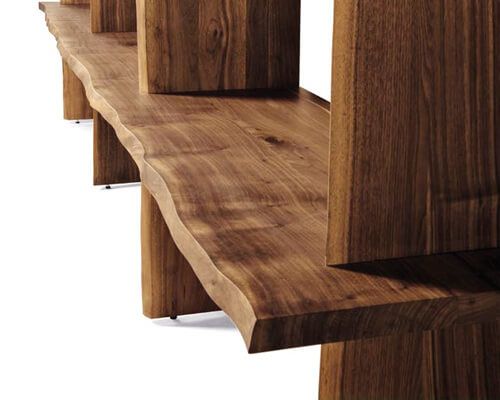
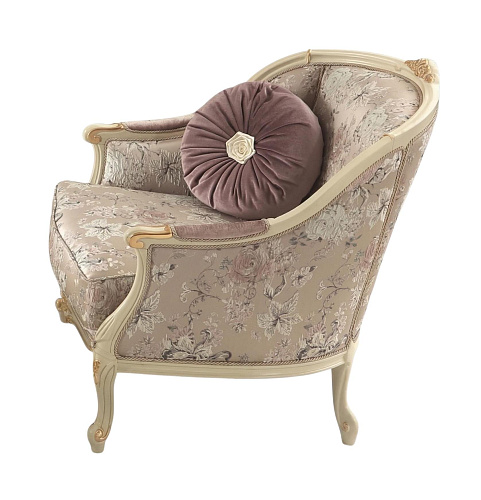
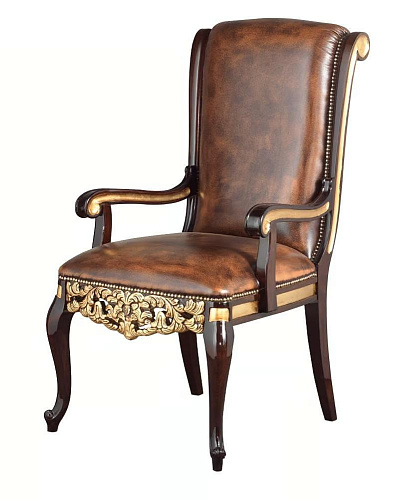
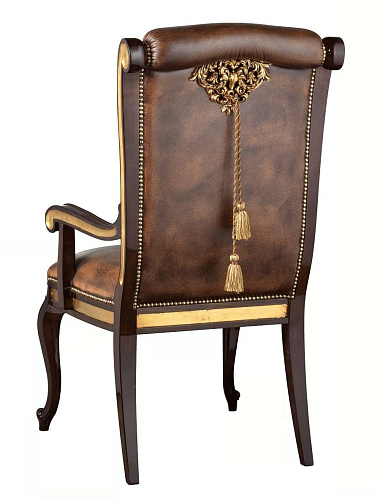
In recent years, the market for designer furniture has matured considerably. What was once confined to trade showrooms and architecture studios is now broadly accessible — yet the gap between mass production and genuine craftsmanship remains as wide as ever. Solid hardwood joinery, hand-applied finishes, upholstery sewn from full-grain leather: these are not features that photograph differently, they feel different under daily use and hold their form across decades rather than seasons.
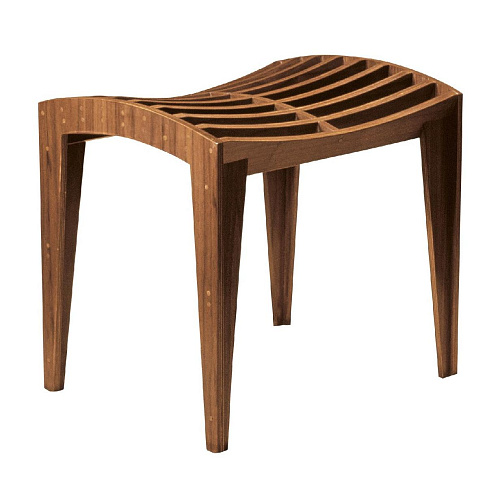
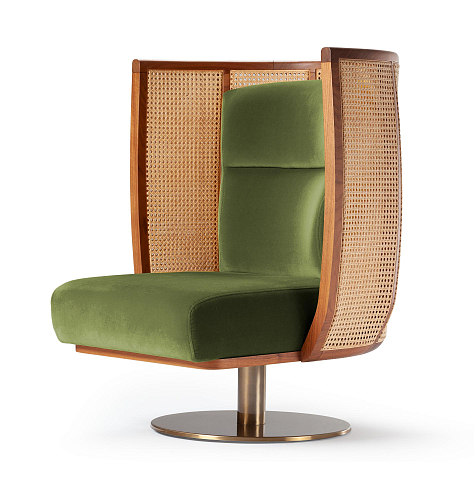
Contemporary furniture design has moved away from rigid category thinking. A dining table and a work desk now share the same vocabulary of tapered legs and bookmatched surfaces. A bedroom and a library can be furnished from the same collection without visual dissonance. The strongest pieces — lounge chairs, platform beds, modular shelving systems — carry enough visual weight to anchor a room independently, while remaining coherent within a larger composition.
This coherence is what distinguishes a curated furniture collection from an assortment of individual objects. When each piece is designed with material consistency and shared proportional logic, the room reads as intentional rather than assembled. The difference is especially apparent in open-plan spaces, where transitions between zones depend entirely on furniture rather than walls.
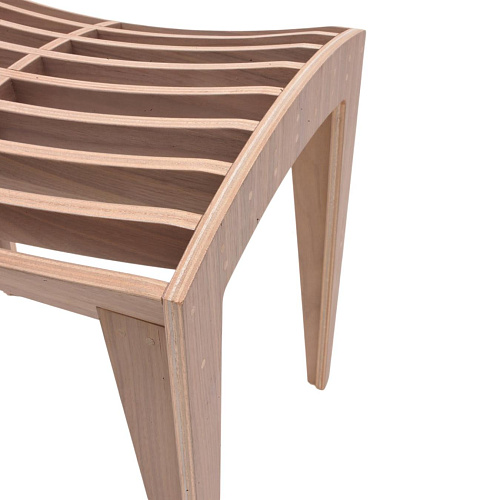
Premium furniture is defined as much by what is hidden as by what is visible. Internal frame construction, corner blocking, the density of cushion foam, the way a drawer closes — these are the details that separate long-term investment pieces from objects that begin to show wear within a few years. Studios working at this level typically maintain production runs deliberately short, ensuring consistent oversight at every stage of manufacture.
Materials sourced for premium collections are traceable by origin: European oak, Italian marble, Scandinavian pine, hand-tanned leather from tanneries with decades of specialization. The result is furniture that does not simply match an interior — it contributes to it.
The ability to buy furniture online has fundamentally changed how interiors are planned. Full technical specifications, dimensional drawings, and material references are now available before a single item ships — allowing architects, designers, and private clients to resolve spatial questions on paper rather than on delivery day. For premium pieces, this level of documentation is not a convenience; it is a prerequisite. Informed purchasing decisions at this price point depend on access to precise data, and the best online platforms now provide exactly that.